
 Samuel Adams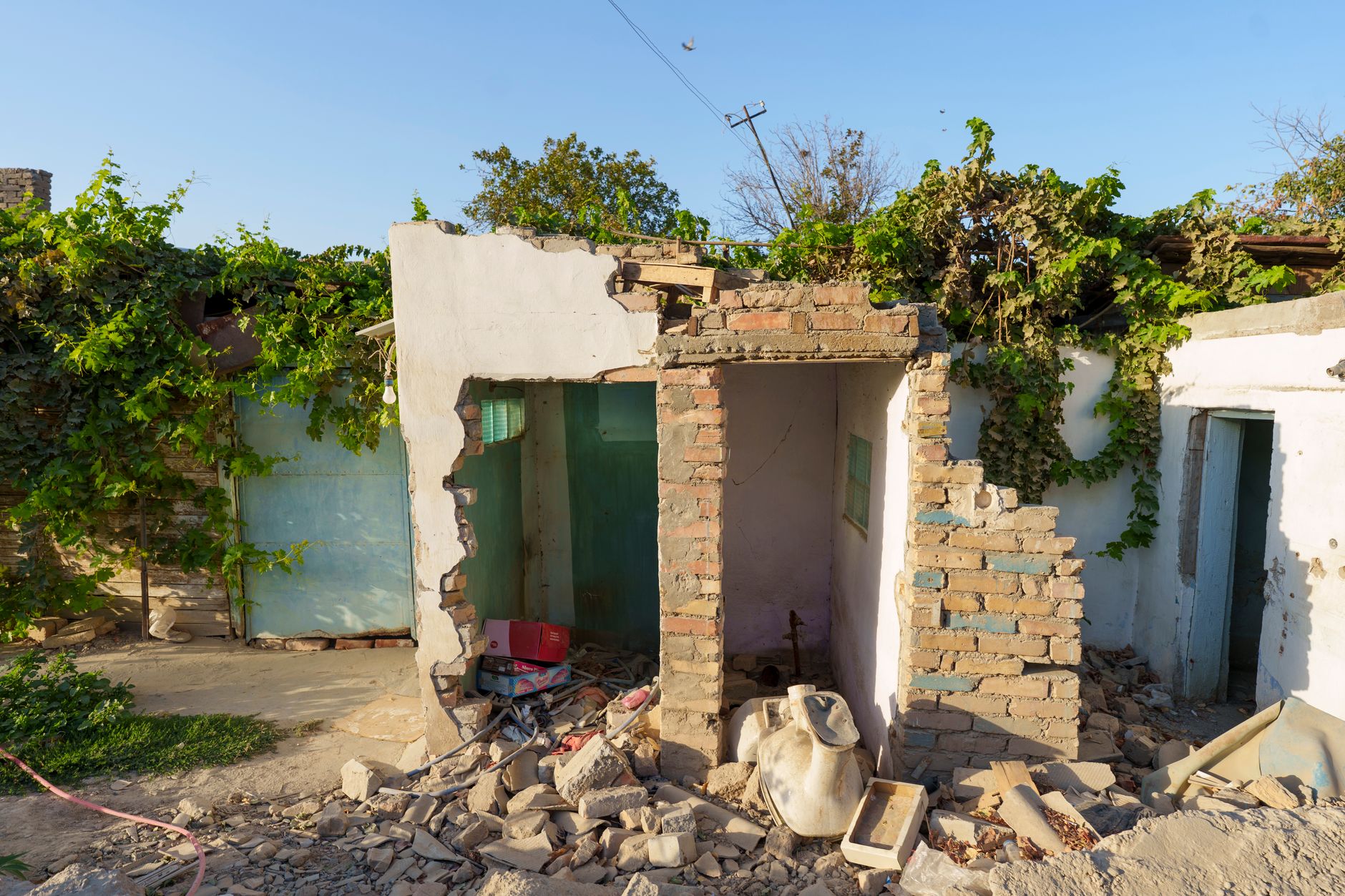
Spain eviction crisis has become a pressing issue, especially with the recent passing of an 87-year-old symbol of this struggle.
Understanding the Spain eviction crisis
The Spain eviction crisis has garnered significant attention in recent years, highlighting the struggles faced by many families. The issue has escalated due to a combination of factors, including rising rent prices, economic instability, and the impact of the COVID-19 pandemic.
As a result, countless individuals have found themselves at risk of losing their homes. The case of an 87-year-old woman, who became a symbol of this crisis, has resonated with the public, drawing attention to the human toll of evictions.
Many experts argue that legal reforms are necessary to protect vulnerable tenants and ensure housing stability. Local governments are being urged to implement measures that can alleviate the burden on those affected by the eviction crisis.
- Increased rent prices
- Economic instability
- COVID-19 impacts
The legacy of the 87-year-old symbol
The recent passing of the 87-year-old woman, who became a symbol of the Spain eviction crisis, has reignited discussions about the country’s housing struggles. Her life, marked by resilience, illustrated the harsh realities faced by countless families threatened by eviction.
She was a vocal advocate for tenant rights, drawing attention to the urgent need for reform. Her activism not only highlighted personal stories but also emphasized the broader implications of the eviction crisis.
Many are now reflecting on her legacy, considering how her story represents the struggles of many elderly citizens and vulnerable groups in Spain. The impact of her fight against evictions serves as a potent reminder of the systemic issues at play, urging policymakers to take decisive action to address the ongoing housing crisis that continues to affect many across the nation.
Impact of evictions on communities
The Spain eviction crisis has far-reaching effects on communities, leading to increased instability and social fragmentation. Families displaced from their homes often struggle to find affordable housing, resulting in a rise in homelessness. This situation disproportionately affects vulnerable groups, including low-income families and elderly individuals, who may lack the resources to navigate the housing market.
Moreover, the psychological impact of eviction can be profound, contributing to mental health issues among those affected. Children may experience disruptions in their education, further perpetuating cycles of poverty. Community networks weaken as people are forced to relocate, and local businesses suffer due to decreased consumer bases.
In light of these challenges, it is essential for policymakers to address the underlying causes of the Spain eviction crisis and implement strategies aimed at supporting affected communities.
Government response to eviction issues
The government response to the ongoing Spain eviction crisis has drawn both criticism and praise. In recent months, officials have introduced several measures aimed at curbing the alarming rate of evictions. These include:
- Increased funding for social housing projects to provide affordable alternatives for those at risk.
- Temporary bans on evictions during certain periods, especially for vulnerable populations such as families with children and the elderly.
- Legal aid programs to assist tenants in navigating eviction proceedings and understanding their rights.
Despite these efforts, many argue that the measures are insufficient to address the root causes of the crisis. Activists and community leaders continue to push for more comprehensive reforms to ensure sustainable housing solutions for affected individuals and families.
Personal stories from affected families
As the Spain eviction crisis continues to unfold, personal stories from affected families reveal the harsh realities behind the statistics. One mother, Ana, shared her experience of losing her home after falling behind on rent due to job loss. “I never thought it would happen to me,” she stated, her voice trembling.
Another family, the Garcias, faced an eviction notice just weeks after welcoming their newborn. “We have nowhere to go,” Mr. Garcia lamented, highlighting the urgent need for support and resources for families in similar situations.
Many affected families are left feeling isolated and helpless, grappling with the emotional toll of potential homelessness. These stories underscore the profound impact of the Spain eviction crisis, emphasizing the need for a compassionate response from society and the government.
How to support those facing eviction
As the Spain eviction crisis continues to affect countless families, there are several ways individuals can offer support to those facing eviction.
- Donate to local charities: Many organizations provide legal assistance and financial support to families at risk of losing their homes.
- Volunteer your time: Consider helping at shelters or advocacy groups that work directly with affected individuals.
- Raise awareness: Share information about the Spain eviction crisis on social media to educate others and encourage community involvement.
- Contact your representatives: Advocate for policies that protect tenants and prevent unjust evictions.
- Support grassroots movements: Join or donate to local efforts aimed at reforming housing laws and improving tenant rights.
Every action counts in the fight against this growing crisis.
Future of housing in Spain
The future of housing in Spain remains uncertain as the eviction crisis escalates. With rising rents and stagnant wages, many families find themselves at the brink of homelessness. In response, advocacy groups are pushing for comprehensive housing reforms to secure affordable living options for all citizens.
Experts suggest that a multi-faceted approach is essential, focusing on:
- Strengthening tenant protections to prevent unjust evictions.
- Increasing public housing availability to accommodate low-income families.
- Implementing rent control measures to stabilize housing costs.
As the Spain eviction crisis continues to impact vulnerable communities, it is imperative that policymakers prioritize sustainable solutions that promote housing stability and equity for future generations.
Lessons from the eviction crisis
The Spain eviction crisis has revealed critical lessons about the intersection of housing policy, social justice, and community resilience. One of the most striking lessons is the importance of early intervention. Many families facing eviction often find themselves overwhelmed and unaware of the resources available to them.
Additionally, the crisis highlights the necessity for stronger tenant protections. A lack of legal safeguards can leave vulnerable populations exposed to exploitation and displacement. Communities have shown remarkable solidarity, with neighbors often banding together to support those facing eviction.
Finally, the crisis underscores the urgency of addressing affordable housing shortages, which continue to exacerbate the situation. As Spain grapples with these challenges, it is clear that comprehensive policy reform is essential to prevent further hardship and ensure housing stability for all citizens.
Photo by Khusen Rustamov on Pexels