 Samuel Adams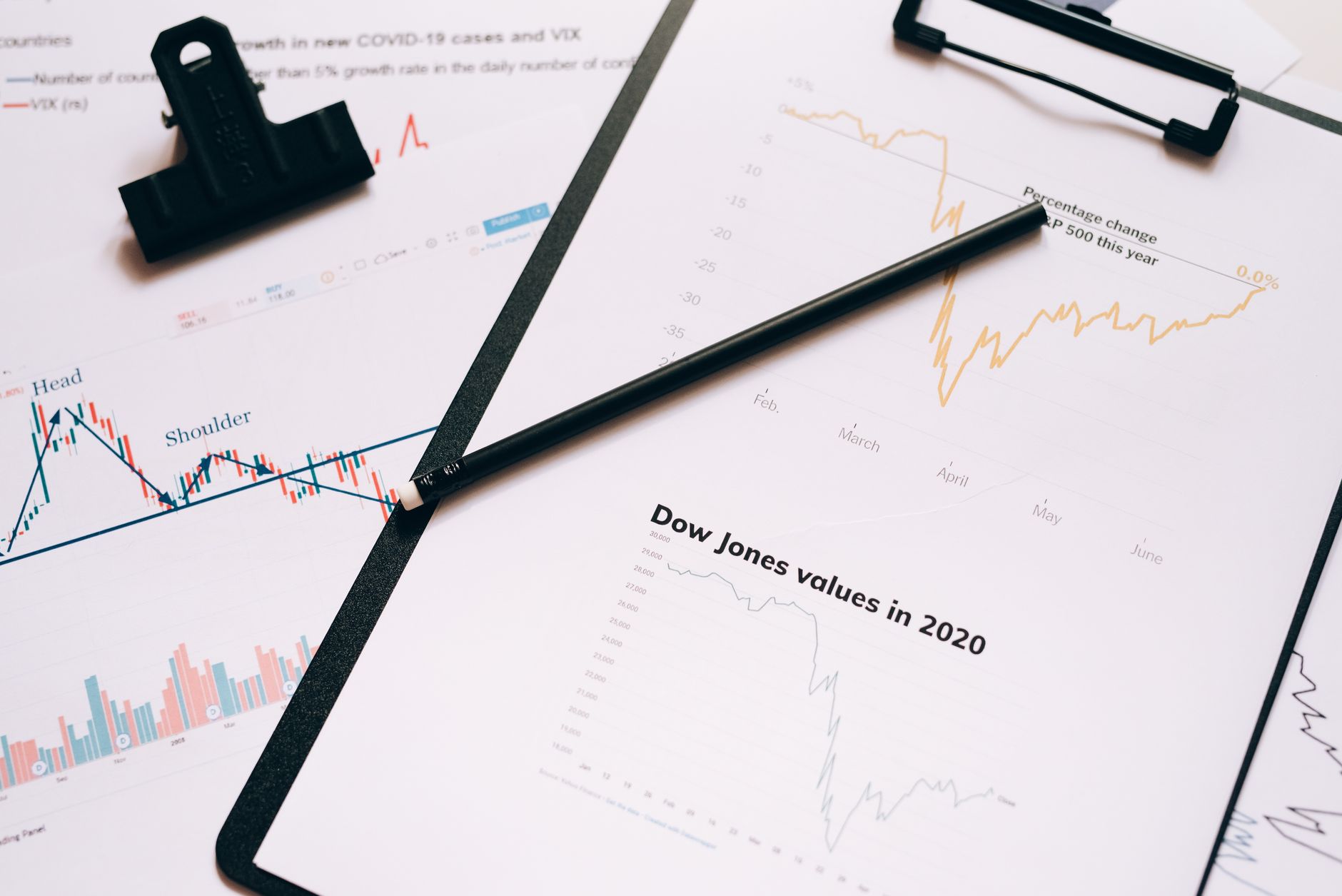
Dow futures slide as yields continue rising, causing concern among investors. The market’s reaction has been significant, with oil prices surging 5% amid these fluctuations.
Market Overview: Dow Futures and Yields
In a significant market reaction, Dow futures slide by 300 points as investors grapple with rising yields. The recent uptick in bond yields has raised concerns about the potential impact on economic growth and borrowing costs, prompting heightened volatility in the stock market.
As yields on government bonds increase, many investors are reassessing their positions, leading to a sell-off in equities. Key factors contributing to this market shift include:
- Rising Treasury Yields: The yield on the 10-year Treasury note has reached levels not seen in years, prompting fears of a more aggressive stance from the Federal Reserve.
- Economic Indicators: Recent data releases have shown mixed signals about economic growth, further complicating investor sentiment.
- Oil Prices Surge: Alongside falling stock indices, oil prices have seen a 5% increase, adding to inflationary pressures and impacting consumer spending.
Market analysts suggest that the combination of these factors is leading to a cautious approach among investors. Many are waiting to see how the Federal Reserve responds to the rising yields and whether this trend will continue in the coming weeks. As the situation evolves, traders are advised to remain vigilant and adapt their strategies accordingly.
Impact of Rising Yields on Stocks
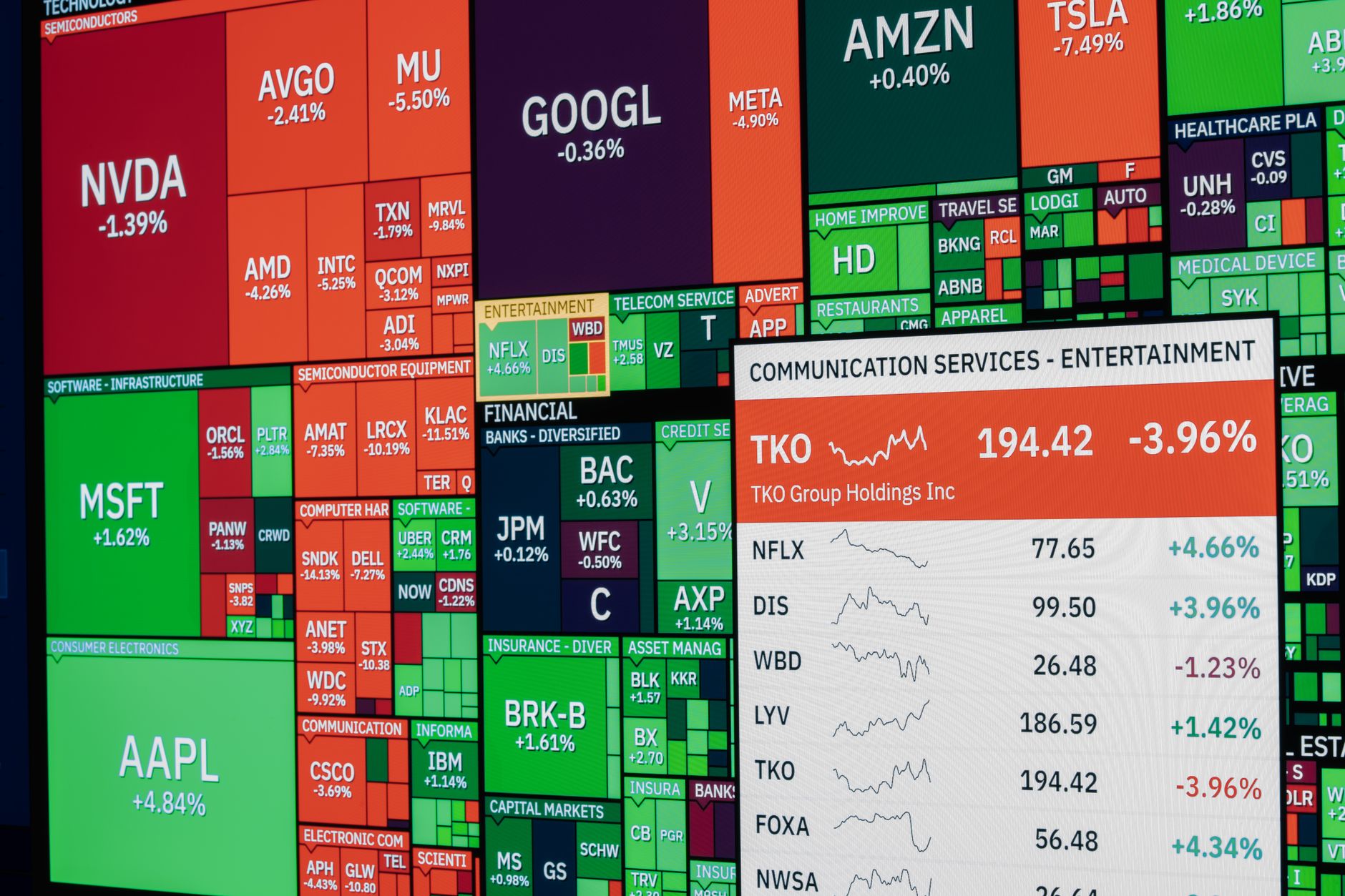
The recent surge in bond yields has significantly impacted investor sentiment, leading to a notable decline in stock futures. As Dow futures slide by 300 points, market analysts are closely examining the implications of rising yields on equities.
Higher yields typically indicate increasing borrowing costs, which can dampen economic growth. This environment poses challenges for companies that rely on cheap credit to finance expansion and operations. As a result, investors are re-evaluating their positions in the stock market, leading to broad declines across major indices.
Key factors contributing to the downward pressure include:
- Interest Rate Expectations: The anticipation of continued rate hikes by the Federal Reserve is prompting fears of a slowing economy.
- Valuation Concerns: Rising yields often lead to higher discount rates for future cash flows, making stocks appear less attractive.
- Sector Rotation: Investors are shifting from growth stocks to more defensive sectors, further intensifying the sell-off in tech-heavy indices.
Additionally, the sharp rise in oil prices, which surged by 5%, is adding to inflationary pressures, complicating the landscape for investors. Many are now bracing for increased volatility as the market reacts to these changing economic conditions.
Oil Prices Surge: What You Need to Know
As the Dow futures slide in response to rising yields, oil prices have taken a significant upward turn, prompting market analysts to reassess their forecasts. Recent reports indicate that oil prices surged by approximately 5%, driven by a combination of geopolitical tensions and increased demand.
The current surge in oil prices is attributed to several key factors:
- Geopolitical Tensions: Ongoing conflicts in key oil-producing regions have raised concerns over supply disruptions, leading to a spike in prices.
- Increased Demand: As economies continue to recover from the pandemic, global oil consumption has rebounded, placing upward pressure on prices.
- Production Cuts: OPEC+ has maintained its production cuts, limiting supply and contributing to price increases.
Market experts suggest that these rising oil prices could pose additional challenges for the stock market, especially as the Dow futures slide in anticipation of higher borrowing costs due to increasing yields. Higher oil prices can lead to increased inflation, which may result in more aggressive monetary policy from the Federal Reserve.
Investors are advised to monitor these developments closely. The interplay between rising oil prices and the broader market reaction, particularly in light of the Dow futures slide, will be crucial in determining the future trajectory of economic growth and inflationary pressures.
Investor Reactions to Market Changes
Investor reactions to the recent fluctuations in the market have been swift and pronounced, particularly in light of the Dow futures slide. Many analysts are noting a heightened sense of caution among investors, spurred by the persistent rise in bond yields.
As yields climb, there is a palpable shift in investment strategies. Several investors have begun reallocating their portfolios in response to the changing economic landscape, with a focus on sectors that are less sensitive to interest rate hikes. In particular, technology stocks and consumer discretionary sectors are facing increased scrutiny as investors weigh their growth prospects against rising costs of borrowing.
During this period of uncertainty, some investors are expressing frustration over the volatility. “It feels like the market simply cannot find its footing,” said a financial advisor at a leading investment firm. “The Dow futures slide is just one indication of the broader unease.” Conversely, others see this as an opportunity to enter the market at lower valuations, especially in sectors poised for recovery.
Moreover, with oil prices surging by 5%, investors are also keeping a close eye on energy stocks, given their potential to offset losses in other areas. Market sentiment remains mixed as participants await clearer signals from economic indicators and Federal Reserve policy decisions.
Economic Indicators to Watch
As investors brace for potential volatility, several key economic indicators are drawing attention in the wake of the recent market developments. The Dow futures slide reflects a broader concern regarding rising yields, prompting market participants to keep a close watch on the following indicators:
- Employment Data: The upcoming jobs report will be critical in assessing the strength of the labor market. A robust employment figure could further fuel expectations for rising yields, while a weak report might provide some relief to the stock market.
- Consumer Price Index (CPI): Inflation remains a top concern for investors, and the CPI data will offer insights into price trends. If inflation persists above target levels, the Federal Reserve may feel pressured to continue its tightening policies, influencing yields and equities.
- Retail Sales: Consumer spending is a major driver of the economy. Strong retail sales data could bolster confidence, yet it may also stoke fears of higher interest rates, impacting market sentiment.
- Manufacturing Output: Industrial production and manufacturing indices will provide a glimpse into economic activity. A slowdown could signal potential weakness, affecting both yields and stock valuations.
In summary, as the Dow futures slide, these economic indicators will be pivotal in shaping the market’s outlook amidst ongoing fluctuations in yields.
Forecasting Future Market Trends
As the Dow futures slide, analysts are closely monitoring potential future market trends that could emerge from the current economic climate. The persistent rise in yields has created a ripple effect throughout various sectors, leading to increased volatility in the stock market. Investors are urged to consider a few key factors that may shape the market landscape moving forward.
- Interest Rates: With yields on government bonds climbing, the Federal Reserve’s policies regarding interest rates will be crucial. A decision to raise rates could further pressure equities, prompting a reevaluation of investment strategies.
- Sector Performance: Certain sectors may outperform others in response to rising yields. For instance, financial stocks often benefit from higher rates, while growth-oriented companies may face headwinds as borrowing costs increase.
- Global Economic Conditions: International markets are also feeling the impact of rising U.S. yields. Investors should watch for shifts in global economic indicators that could influence domestic performance.
- Investor Sentiment: Market psychology plays a significant role in trend forecasting. A cautious sentiment among investors could lead to further declines, while optimism might stabilize the market.
As the situation develops, staying informed on these dynamics will be essential for navigating the choppy waters of the current market environment.
Live Updates on Market Movements
As market participants react to the latest economic data, Dow futures slide by 300 points, marking a significant downturn amid concerns over rising yields. Investors are closely monitoring the bond market, where yields continue to climb, further impacting equity valuations.
Market analysts suggest that this reaction is the worst seen in response to increasing yields in recent times. The rise in yields has left many investors questioning the sustainability of recent stock gains.
- Market Sentiment: Investor sentiment is notably bearish, with many traders opting to pull back in anticipation of further volatility.
- Sector Performance: Technology and consumer discretionary sectors have been hit hardest, facing sell-offs as investors seek safer assets.
- Global Impact: International markets are also feeling the effects, with indices across Europe and Asia showing declines as they react to the U.S. market’s instability.
- Future Outlook: Economists warn that if yields continue to rise, it could trigger a more significant market correction, prompting investors to reassess their portfolios.
In the meantime, oil prices have surged by 5%, adding another layer of complexity to the current market landscape. As the situation evolves, traders will be keeping a close eye on upcoming economic indicators that could influence market direction.
As investors react to the news of increasing interest rates, the Dow futures slide indicates a growing concern over economic stability. Analysts predict that the Dow futures slide could lead to further volatility in the stock market.
Photo by Leeloo The First on Pexels
Where this came from
European Society of Cardiology Congress: What Are the Best Insights? · Texas execution news: The worst lethal injection case · Spain eviction crisis: What is the real impact of this issue?