
 Samuel Adams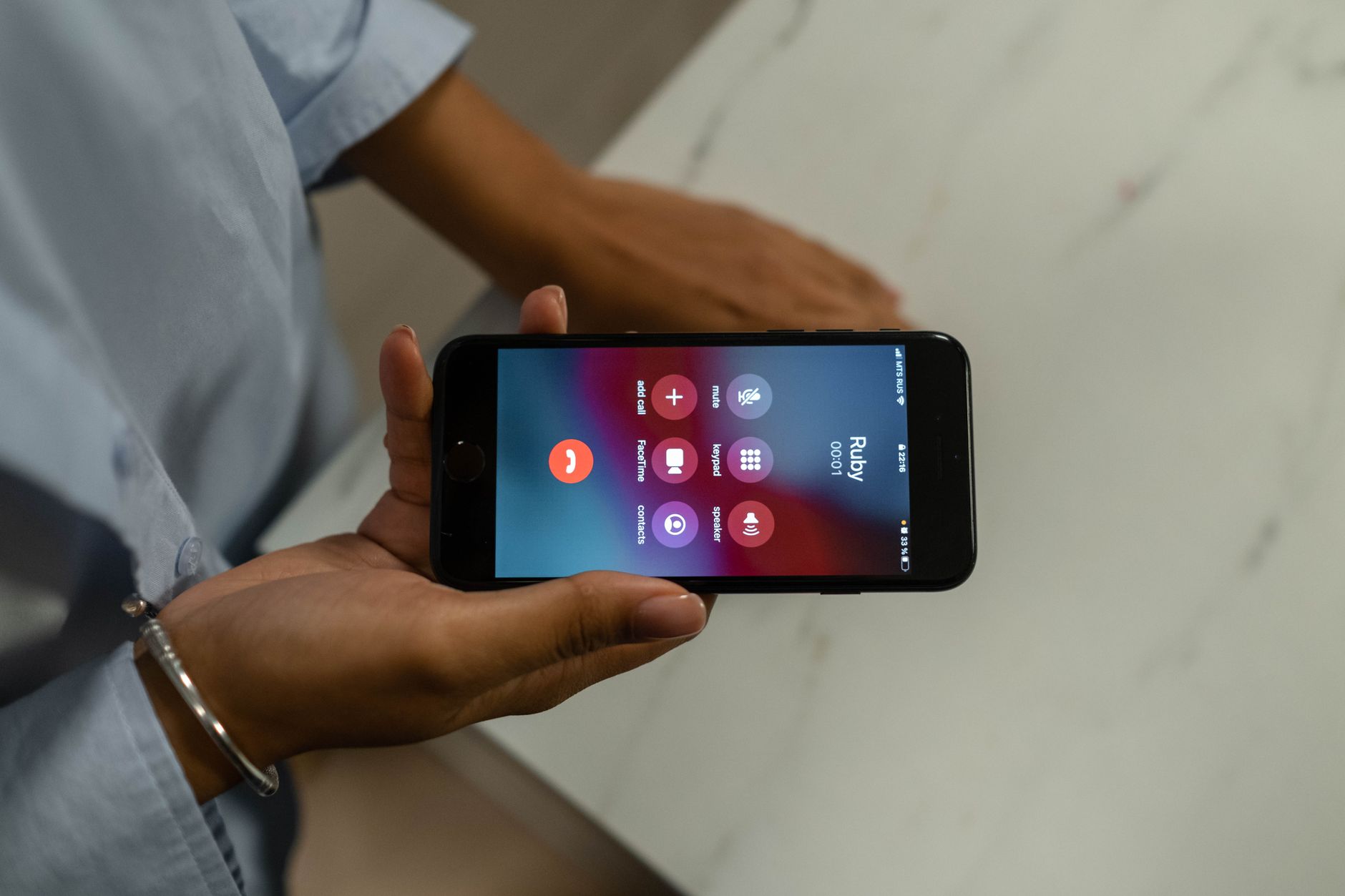
Caller Name Display is set to be mandated by the government starting November 1, enhancing the way we identify callers. This new regulation aims to improve communication and reduce unwanted calls.
What is Caller Name Display?
Caller Name Display (CND) is a telecommunications feature that allows the recipient of a call to see the name of the caller before answering. This service provides an added layer of information, enhancing user experience and promoting safety by helping individuals identify who is reaching out to them. By displaying the caller’s name alongside their number, CND enables users to make informed decisions about whether to answer a call.
The implementation of Caller Name Display is particularly significant in reducing unwanted or spam calls, as users can easily identify potential telemarketers or fraudulent calls. This functionality not only aids in personal security but also contributes to a more efficient communication process.
As mandated by the government starting November 1, the adoption of Caller Name Display is set to become a standard feature across various service providers. This move is designed to enhance transparency and trust in phone communications. With the rise of technology and the increasing prevalence of scams, the introduction of CND is a timely response to the needs of consumers.
- Enhanced user experience: Knowing who is calling can reduce anxiety associated with unknown numbers.
- Improved safety: Users can avoid answering potentially harmful calls.
- Increased efficiency: Helps in prioritizing important calls over spam.
How Caller Name Display Works
Caller Name Display (CND) is an innovative service that allows users to see the name of the person calling before they answer the phone. This feature works by transmitting the caller’s information through the telephone network, ensuring that the recipient can identify the caller instantly.
The process begins when a call is initiated. As the call connects, the network retrieves the caller’s name from a database, which is typically linked to their phone number. This information is then sent to the recipient’s device, displaying the caller’s name on the screen. The technology relies primarily on a combination of telecommunication protocols and databases that store registered information about users.
For Caller Name Display to function effectively, both the caller and the recipient must have compatible services activated on their devices. Most modern smartphones support this feature seamlessly, but users should verify with their service providers to ensure they are enrolled in the Caller Name Display system.
With the government mandating CND from November 1, this service is set to become a standard across the nation, enhancing the calling experience and allowing users to screen calls more efficiently. The benefits of this service include reducing unwanted calls and improving communication safety.
Benefits of Caller Name Display
Caller Name Display (CND) offers numerous benefits that enhance user experience and security. As more people rely on their phones for communication, understanding who is calling has become increasingly important. Here are some key advantages of using Caller Name Display:
- Enhanced Security: CND helps users identify unknown callers, reducing the risk of falling victim to scams and fraud. By displaying the caller’s name, users can make informed decisions about whether to answer a call.
- Improved Communication: Knowing who is calling allows users to prioritize their calls effectively. This feature ensures that important calls are not missed, fostering better communication among friends, family, and colleagues.
- Increased Convenience: Caller Name Display eliminates the need for users to search for numbers or try to recall names. With instant access to caller information, users can save time and effort during their day-to-day interactions.
- Reduced Spam Calls: By displaying the names of callers, CND can help users filter out unwanted spam calls, making phone usage more pleasant and less disruptive.
Overall, the implementation of Caller Name Display not only adds a layer of security but also significantly improves the overall experience for users, making it a valuable feature in modern telecommunications.
Impact on Telecommunication Services
The introduction of Caller Name Display has significantly transformed telecommunication services, enhancing user experience and security. With government mandates requiring its implementation starting November 1, telecommunication providers are gearing up to integrate this essential feature across their networks.
Caller Name Display not only provides the name of the caller but also adds a layer of transparency that was previously lacking in many telecommunication systems. This shift is expected to reduce instances of spam calls and fraud, as users can easily identify who is reaching out to them. The impact on consumer trust is substantial; when users can see the name associated with a number, they are more likely to answer calls, fostering better communication.
Moreover, the implementation of Caller Name Display encourages enhanced competition among service providers. As companies strive to offer the best user experience, they are motivated to develop additional features and improve service quality. This competition ultimately benefits consumers, who gain access to better services at competitive prices.
In summary, the impact of Caller Name Display on telecommunication services is profound. It not only enhances user security and satisfaction but also drives industry innovation. As providers comply with the upcoming mandates, users can expect a more reliable and trustworthy calling experience.
Government Regulations on Caller ID
Recent government regulations have mandated the implementation of Caller Name Display (CND) systems across various telecommunication services. Starting from November 1, all service providers are required to incorporate this feature to enhance user experience and security.
The primary goal of these regulations is to empower consumers with information about incoming calls. By displaying the caller’s name alongside the number, users can make more informed decisions about whether to answer a call or not. This is particularly significant in an age where spam and scam calls have become increasingly prevalent.
According to the new guidelines:
- All telecommunication companies must ensure that Caller Name Display is available to their users.
- Real-time updates of caller information must be provided to maintain accuracy.
- Privacy protections must be enforced to safeguard consumer data while implementing CND.
These regulations are expected to not only enhance user satisfaction but also improve overall trust in telecommunication services. As the adoption of Caller Name Display becomes widespread, consumers will likely feel more secure knowing who is attempting to contact them, thereby reducing the anxiety associated with unknown numbers.
Public Reaction to Caller Name Display
The introduction of Caller Name Display has sparked significant public interest and various reactions among users and telecommunications experts. Many people express enthusiasm for the enhanced communication clarity that this feature offers, particularly in reducing the number of unwanted spam calls.
Users have shared their experiences, noting that the ability to see the name of the caller before answering the phone allows for more informed decision-making. As one user remarked, “Being able to identify who’s calling helps me manage my time better and prioritize important calls.” This sentiment resonates with many who feel that Caller Name Display fosters a more organized approach to handling phone communications.
However, not everyone is entirely pleased. Some individuals have expressed concerns about privacy, questioning whether the display of caller names could lead to unwanted judgments or assumptions. “I appreciate knowing who’s calling, but I also worry about how my information might be used,” said a concerned user.
Despite these apprehensions, the overall response appears positive, with many seeing the implementation of Caller Name Display as a step forward in enhancing user experience. The public seems ready to embrace this change, especially with government mandates enforcing its use starting November 1.
Photo by cottonbro studio on Pexels