
 Samuel Adams
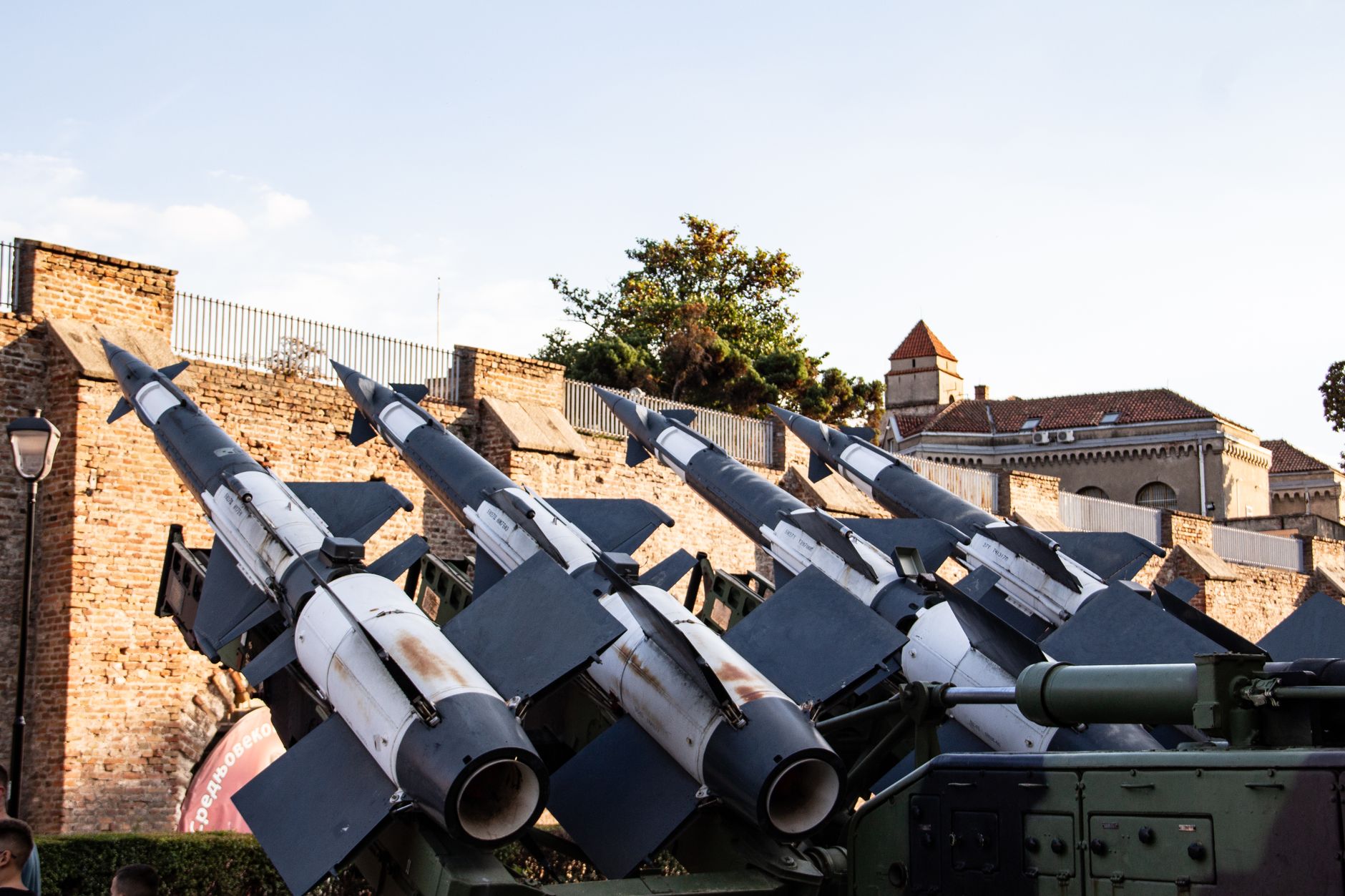
Missile ranges Iran have been lifted, marking a significant shift in the country’s defense posture. This development raises questions about the implications for regional security and international relations in the Middle East.
Iran’s Missile Policy Changes
Iran has recently declared a significant shift in its missile policy, announcing the removal of its self-imposed limits on missile ranges. This decision is poised to have profound implications for Mideast security, particularly as neighboring nations and international observers assess the potential impact on regional stability.
The Iranian government has emphasized that this change is a response to perceived threats and the need to bolster its defense capabilities. Analysts suggest that lifting restrictions on missile ranges could lead to:
- Increased military capabilities: Iran may develop longer-range missiles, enhancing its ability to project power across the region.
- Heightened tensions: Neighboring countries, particularly those aligned with the West, may perceive this as a direct threat, prompting an arms race.
- Potential shifts in alliances: Other nations in the region may seek to strengthen their military partnerships in response to Iran’s evolving missile strategy.
The implications of Iran’s missile ranges development are likely to reverberate throughout the Middle East, impacting diplomatic relations and security policies moving forward.
Impact on Regional Security
The recent announcement by Iran to lift its self-imposed limits on missile ranges has raised significant concerns regarding regional security in the Middle East. This decision is perceived as a direct challenge to neighboring countries and could escalate tensions in an already volatile region.
Experts believe that increased missile ranges could enable Iran to threaten a wider array of targets, including key U.S. military bases and allied nations. The implications of this shift are substantial, as it may prompt a recalibration of defense strategies among Iran’s adversaries.
Furthermore, this development could trigger an arms race, with countries like Israel and Saudi Arabia likely to enhance their military capabilities in response. As the situation evolves, the international community is urged to monitor these developments closely and consider diplomatic avenues to mitigate potential conflicts.
- Tensions with Israel: Heightened threats may lead to preemptive military actions.
- Regional Alliances: New coalitions may form in response to Iran’s missile ranges.
- Global Response: Increased calls for sanctions and diplomatic engagement.
International Reactions to Iran’s Decision
International reactions to Iran’s recent decision to lift its self-imposed limit on missile ranges have been swift and varied. Countries across the Middle East and beyond are expressing deep concerns regarding the implications for regional security.
- United States: The U.S. government condemned Iran’s announcement, warning that it could lead to a new arms race in the region. Officials emphasized that they would work with allies to counter any threats posed by expanded missile capabilities.
- Israel: Israeli leaders reiterated their long-standing concerns over Iran’s missile program, stating that such advancements pose an existential threat and called for increased military readiness.
- Saudi Arabia: The Saudi government expressed alarm, highlighting that Iran’s missile ranges could endanger the security of Gulf states and alter the balance of power.
- European Union: EU officials urged Iran to reconsider its decision, emphasizing the importance of diplomatic solutions to maintain peace and stability in the region.
The global community remains vigilant as the situation evolves.
Historical Context of Missile Ranges
The development of missile ranges in Iran has deep historical roots that reflect the nation’s evolving military strategy. Over the past few decades, Iran has invested significantly in its missile capabilities, aiming to enhance both deterrence and regional influence.
Initially, the focus was on short-range missiles, but as tensions with neighboring countries escalated, Iran expanded its arsenal to include medium and long-range systems. This shift can be attributed to various factors, including:
- Geopolitical Tensions: Ongoing conflicts and rivalries have pushed Iran to strengthen its defensive posture.
- Technological Advancements: Collaborations with allies have allowed Iran to improve its missile technology.
- Strategic Goals: Iran aims to project power across the region, making missile ranges a central component of its military doctrine.
As Iran lifts its self-imposed limitations on missile ranges, the implications for Mideast security are profound, raising concerns among regional powers and global stakeholders alike.
Future of Mideast Defense Strategies
The recent decision by Iran to lift its self-imposed limit on missile ranges has significant implications for the future of defense strategies in the Middle East. As Iran expands its missile capabilities, neighboring countries and global powers must reassess their security postures and military alliances.
In response to the evolving threat posed by enhanced missile ranges from Iran, several key strategies may emerge:
- Increased Military Collaboration: Regional allies may strengthen defense partnerships, sharing intelligence and resources to counter potential threats.
- Missile Defense Systems: Countries like Saudi Arabia and Israel may invest in advanced missile defense systems to protect against longer-range strikes.
- Diplomatic Engagement: Global powers might push for renewed diplomatic efforts to address missile proliferation and encourage dialogue with Iran.
Ultimately, the shift in Iran’s missile policy necessitates a comprehensive reevaluation of defense strategies to ensure stability and security across the region.
The expansion of missile ranges Iran poses significant challenges to regional stability and security. As neighboring countries assess the implications of these missile ranges Iran, tensions in the Middle East are likely to escalate.
Photo by Boris Hamer on Pexels
Sources
Annual hike for NHM employees: Is it the best decision? · Is Dhanush’s Political Entry the Right Move for India? · Star Holdings Q3 Results: Clear Insights for Investors