 Samuel Adams
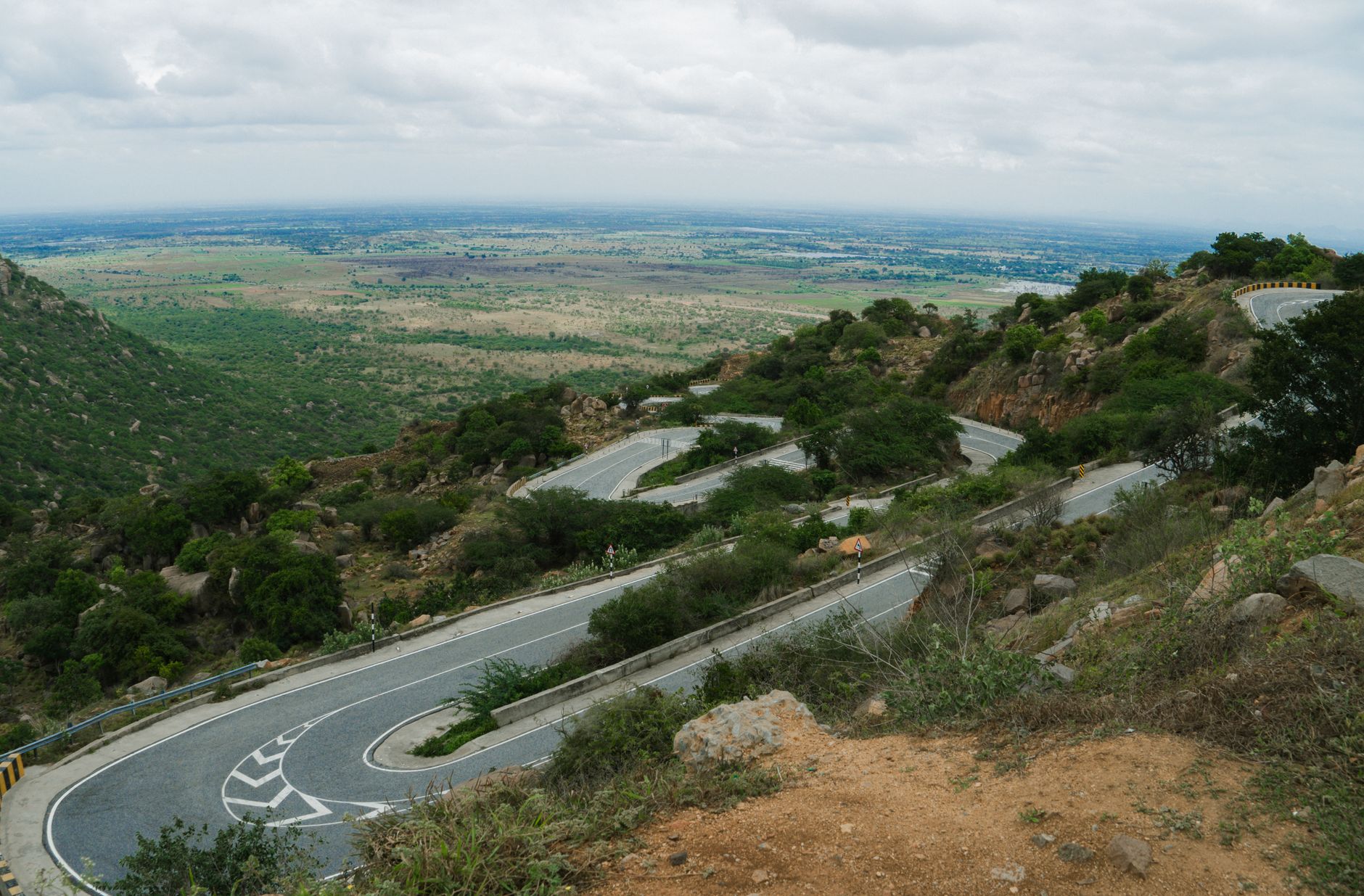
Bengaluru road infrastructure is under scrutiny as Shivakumar writes to PM Modi, highlighting urgent needs for improvement and proposing cost-sharing for Metro expansion.
Shivakumar’s Letter to PM Modi
In a recent letter addressed to Prime Minister Narendra Modi, Karnataka Deputy Chief Minister D.K. Shivakumar expressed his concerns regarding the deteriorating state of Bengaluru road infrastructure. He highlighted the urgent need for investment and support to enhance the city’s transit systems.
Shivakumar emphasized that the current road conditions significantly impede the effectiveness of the Metro system, a crucial element for urban mobility in Bengaluru. He proposed a collaborative approach to financing, suggesting that the central government should consider cost-sharing initiatives for Metro projects.
In his correspondence, he outlined several key points:
- Investment Needs: A call for increased funding to improve road conditions.
- Metro Efficiency: The importance of effective Metro integration with existing road networks.
- Public Safety: Concerns about accidents and traffic congestion exacerbated by poor infrastructure.
Shivakumar’s initiative reflects a growing urgency to address Bengaluru’s infrastructure challenges.
Current State of Bengaluru Roads
The current state of Bengaluru roads has become a pressing concern for residents and officials alike. With rapid urbanization and an increasing population, the infrastructure struggles to keep pace. Many roads are marked by potholes, inadequate signage, and congestion, which exacerbate travel times for commuters.
In recent years, the city has seen numerous infrastructure projects aimed at improving connectivity, but the results have been mixed. Traffic bottlenecks remain a common sight, and public transport systems, including the Metro, often face challenges in integration with existing road networks.
Key issues affecting Bengaluru road infrastructure include:
- Poor maintenance of existing roads
- Lack of proper drainage systems
- Inconsistent traffic management
- Limited pedestrian pathways
As the city continues to grow, addressing these issues will be crucial for ensuring a functional and efficient transportation system.
Impact of Poor Infrastructure on Commuters
The poor state of Bengaluru road infrastructure has significantly impacted daily commuters, making their journeys longer and more stressful. Many residents express frustration over the constant traffic jams and potholes that plague the city, hindering their ability to reach destinations on time.
Commuters face several challenges due to inadequate roads, including:
- Increased Travel Time: Delays caused by road conditions lead to a loss of productivity and leisure time.
- Safety Concerns: Poorly maintained roads heighten the risk of accidents, putting lives at stake.
- Environmental Impact: Extended idling in traffic contributes to higher emissions and worsens air quality.
As Bengaluru’s population continues to grow, addressing these infrastructure issues becomes crucial. Without improvements in road conditions, the benefits of the Metro system may not be fully realized, leaving commuters to navigate an increasingly congested city.
Proposed Metro Cost-Sharing Model
The proposed Metro cost-sharing model aims to address the ongoing challenges faced by Bengaluru road infrastructure. According to sources, the model seeks to distribute the financial burden of expanding the Metro system among various stakeholders, including the state government and the central government.
Key features of the proposal include:
- Equitable Funding: Ensuring that both state and central funds are allocated fairly to support the Metro’s growth.
- Private Sector Participation: Encouraging private investment to alleviate financial pressures on public funds.
- Community Engagement: Involving local communities in the decision-making process for better alignment with their needs.
By implementing this cost-sharing model, officials hope to enhance the overall quality of Bengaluru’s road infrastructure while promoting a sustainable and efficient public transport system.
Government Response to Infrastructure Issues
The government has acknowledged the growing concerns regarding Bengaluru road infrastructure, particularly in light of the city’s ongoing traffic issues. In response to Shivakumar’s letter, officials are exploring potential solutions to enhance the current state of roads while facilitating smoother integration with the proposed Metro cost-sharing model.
Key points from the government’s response include:
- Assessment of Current Infrastructure: A thorough evaluation of existing road conditions and their impact on daily commuters will be initiated.
- Collaboration with Local Authorities: Close cooperation with municipal bodies to identify critical areas in need of immediate attention.
- Funding Opportunities: Exploring state and central funding options to improve road quality and support Metro development.
- Public Feedback: Engaging with residents to gather input on infrastructure needs and priorities.
The government emphasizes the importance of addressing these issues to ensure the efficient functioning of Bengaluru’s transportation network.
Comparative Analysis with Other Cities
A comparative analysis of Bengaluru road infrastructure with other major Indian cities reveals significant gaps in quality and efficiency. While cities like Mumbai and Delhi have made considerable investments in their road networks, leading to smoother traffic flow and better connectivity, Bengaluru continues to struggle with congestion and poorly maintained roads.
Key differences include:
- Investment Levels: Mumbai and Delhi allocate a larger budget towards road maintenance and expansion, resulting in less frequent bottlenecks.
- Urban Planning: Effective urban planning in cities such as Pune has led to the development of integrated transport systems that ease the burden on roads.
- Public Feedback: Other cities actively involve citizens in discussions about infrastructure improvements, increasing accountability.
The challenges faced by Bengaluru road infrastructure highlight the urgent need for a strategic overhaul to accommodate its growing population and traffic demands.
Future Plans for Bengaluru’s Transport
As Bengaluru continues to grapple with its road infrastructure challenges, future plans aim to enhance the city’s transport network significantly. Local authorities are focusing on integrating the Metro system with existing roadways to provide a seamless commuting experience.
Key initiatives include:
- Expansion of Metro Lines: New routes are set to be developed, connecting underserved areas of the city.
- Dedicated Bus Lanes: To improve public transport efficiency, dedicated lanes for buses will be introduced.
- Pedestrian and Cycling Infrastructure: Enhancements for cyclists and pedestrians are being prioritized to ensure safety and encourage eco-friendly transport.
- Smart Traffic Management Systems: Implementing smart technology to manage traffic flow will help reduce congestion.
These plans underscore the commitment to improving Bengaluru’s road infrastructure and enhancing the overall quality of life for its residents.
Public Reaction to Infrastructure Proposals
The recent proposals regarding Bengaluru road infrastructure have sparked mixed reactions among the public. Many commuters express frustration over the ongoing delays and deteriorating road conditions, emphasizing how these issues compound their daily struggles.
In a survey conducted, a significant number of respondents indicated that they believe the current state of the roads severely hampers the effectiveness of the Metro sharing model. Key concerns include:
- Traffic Congestion: Commuters argue that without proper road infrastructure, even a well-functioning Metro will not alleviate traffic woes.
- Safety Risks: Poorly maintained roads contribute to accidents, leading to calls for urgent upgrades.
- Accessibility Issues: Citizens highlight the need for seamless connectivity between Metro stations and existing road networks.
As discussions continue, many hope that addressing these infrastructure concerns will pave the way for a more efficient public transport system in Bengaluru.
Many commuters argue that the Bengaluru road infrastructure is not equipped to handle the increased traffic from Metro sharing. As a result, the challenges posed by the Bengaluru road infrastructure could undermine the effectiveness of the Metro system.
Photo by Suhas Hanjar on Pexels