 Samuel Adams
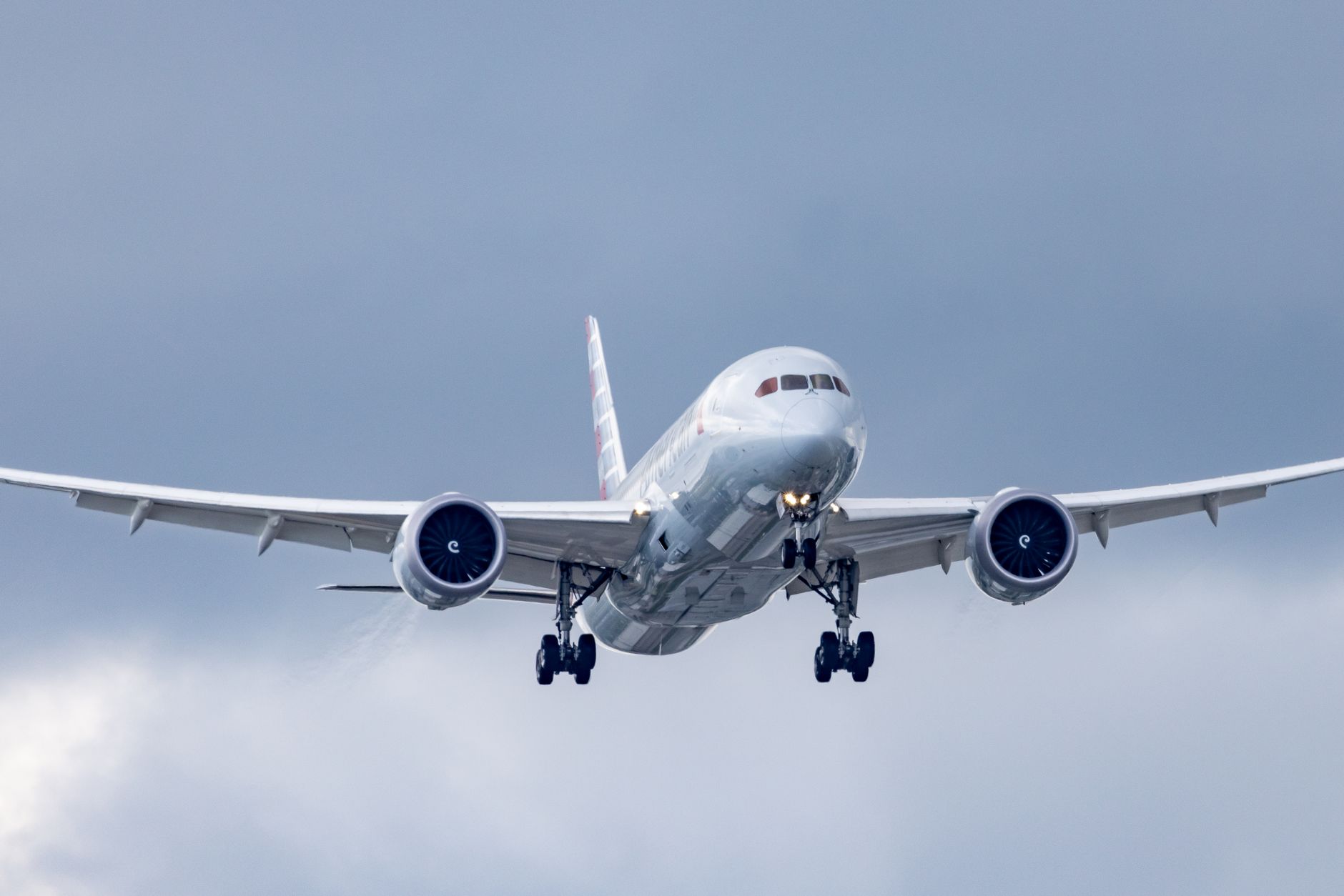
The Miami runway collision has sparked significant concern regarding aviation safety. This incident occurred just a day after a nationwide grounding of flights, highlighting potential vulnerabilities in air travel protocols.
What Happened During the Miami Runway Collision?
On a fateful day in Miami, a serious incident unfolded as two aircraft collided on the runway, marking the worst event since the national grounding of flights. The Miami runway collision occurred during a busy travel period, raising significant concerns among aviation authorities and passengers alike.
Witnesses reported hearing a loud crash as the planes made contact while taxiing. Emergency services were dispatched immediately to the scene, where they worked tirelessly to assess the situation and tend to the injured. Fortunately, there were no fatalities, but several passengers sustained injuries ranging from minor to severe.
The aircraft involved included a passenger jet and a smaller cargo plane, both of which were preparing for takeoff. Investigations are underway to determine the cause of the collision, with preliminary reports suggesting miscommunication between the flight crews and air traffic control.
The incident has sparked discussions around runway safety protocols and the need for enhanced training for personnel involved in air traffic operations. Aviation experts are calling for a thorough review of current regulations to prevent such accidents in the future. In light of the Miami runway collision, airlines and regulatory bodies are urged to prioritize safety and ensure that similar incidents do not occur again.
Impact on Flight Operations
The recent Miami runway collision has had significant ramifications for flight operations across the region. Airlines have reported extensive delays and cancellations as a direct result of the incident, marking it as the worst event since the national grounding of flights. Both air traffic control and airline management are working diligently to assess the situation and implement safety measures to prevent future occurrences.
Passengers have faced considerable frustration as they navigate the aftermath. Many are left stranded at the airport, with some flights being rerouted or delayed for hours. The chaos has led to an increase in inquiries to customer service departments, further straining airline resources.
In response to the Miami runway collision, several airlines have announced temporary changes to their scheduling and routing procedures. These adjustments aim to enhance safety and restore normal operations as quickly as possible. Key measures include:
- Increased Communication: Airlines are prioritizing timely updates to passengers regarding their flight statuses.
- Revised Safety Protocols: Enhanced safety checks are being implemented for all departing flights.
- Collaboration with Authorities: Airlines are working closely with aviation authorities to ensure compliance with new regulations.
As the aviation community rallies to recover from this incident, travelers are urged to stay informed and patient during this challenging time.
Safety Measures in Aviation
The recent Miami runway collision has raised significant concerns regarding the safety measures currently implemented in the aviation industry. In light of this incident, experts are calling for a comprehensive review of existing protocols to prevent similar occurrences in the future.
One of the critical safety measures that airlines and airports must prioritize includes:
- Enhanced Communication: Flight crews must maintain constant communication with air traffic control to ensure that all parties are aware of ongoing operations on the runway.
- Improved Training: Pilots and ground staff should undergo regular training that includes simulation of emergency situations, such as runway incursions, to better prepare them for unexpected events.
- Advanced Technology: The implementation of advanced radar and surveillance systems can significantly reduce the risk of collisions by providing real-time data and alerts to control towers and flight crews.
- Strict Adherence to Protocols: A thorough review and reinforcement of existing safety protocols are essential to ensure compliance among all personnel involved in airport operations.
As the aviation community reflects on the Miami runway collision, it is clear that enhancing safety measures is vital for securing the future of air travel and maintaining public trust in aviation systems.
Expert Opinions on Runway Safety
Experts in aviation safety have weighed in on the recent Miami runway collision, emphasizing the critical need for enhanced protocols to prevent such accidents. The incident, deemed the worst since the national grounding, has raised alarms about the effectiveness of current safety measures.
According to Dr. Emily Carter, an aviation safety consultant, “The Miami runway collision exposes vulnerabilities in our air traffic management systems. It is imperative that we reassess our procedures to ensure that all planes maintain safe distances during taxiing and takeoff.”
In a similar vein, Captain James Rodriguez, a veteran pilot with over 20 years of experience, noted, “This collision serves as a wake-up call for the aviation industry. We must prioritize communication between ground crews and pilots to avoid potential disasters.”
Additionally, Professor Linda Wu, an aerospace engineering expert, highlighted the role of technology in enhancing runway safety. “Implementing advanced radar systems and improved signaling can greatly reduce the risk of collisions,” she stated.
As investigations continue, aviation professionals are calling for a comprehensive review of existing safety protocols, urging the industry to learn from the Miami runway collision and implement necessary changes to prevent future occurrences.
Historical Context of Runway Incidents
Runway incidents have a long and troubling history in aviation, with various factors contributing to accidents over the years. The Miami runway collision represents one of the most significant events since the national grounding of flights, highlighting ongoing concerns about safety protocols. In the past, runway incursions and collisions have often stemmed from human error, miscommunication, and inadequate ground control systems.
Significant incidents include:
- The Tenerife Airport Disaster (1977): A tragic collision between two Boeing 747s resulted in 583 fatalities, marking it as the deadliest aviation accident in history.
- The LAX Collision (1986): A runway collision involving a small aircraft and a commercial jet led to the deaths of several passengers and prompted tighter regulations for ground operations.
- Chicago O’Hare Incident (2006): A near-miss incident raised alarms about the efficiency of communication between flight crews and air traffic control.
These historical events underscore the importance of continuous improvements in runway safety measures. The Miami runway collision serves as a reminder of the vulnerabilities that still exist and the need for ongoing vigilance in preventing similar tragedies in the future.
Public Reaction to the Collision
The Miami runway collision has sparked widespread concern among the public and aviation enthusiasts alike. Many passengers and aviation experts took to social media to express their shock and disbelief at the incident, which is being described as the worst since the national grounding of flights.
Emotional responses included:
- Fear for safety: Many travelers voiced their unease about flying in the aftermath of such a significant incident, questioning whether enough safety measures are in place.
- Calls for accountability: Some individuals demanded thorough investigations into the circumstances surrounding the collision, emphasizing the need for transparency in the aviation industry.
- Support for victims: Numerous comments reflected sympathy for those directly affected by the collision, with calls for support and resources for passengers and crew.
In addition, community forums have emerged as platforms for individuals to share their own experiences related to air travel, with many recounting close calls or near-misses. The incident has reignited discussions about the need for enhanced training for pilots and air traffic controllers to prevent such tragedies in the future. As the investigation unfolds, public interest remains high regarding the findings and the measures that will be implemented to ensure safety in aviation, particularly following the Miami runway collision.
Airline Responses to Safety Concerns
In the wake of the Miami runway collision, airlines have been quick to respond to growing safety concerns among passengers and industry stakeholders. The incident, described as the worst since the national grounding, has prompted several major carriers to reevaluate their operational protocols.
Airlines such as American Airlines, Delta, and Southwest have issued statements emphasizing their commitment to safety and passenger well-being. Many have announced the implementation of additional training for pilots and ground crew to enhance awareness during runway operations. American Airlines specifically noted that they are reviewing their procedures to ensure compliance with safety regulations and to prevent similar incidents in the future.
In a recent press conference, Delta Airlines emphasized their collaboration with the Federal Aviation Administration (FAA) to conduct comprehensive safety audits across their fleet. Southwest Airlines has also initiated a series of safety workshops aimed at reinforcing the importance of communication among flight crews, especially during critical phases of flight.
Furthermore, industry experts suggest that the Miami runway collision could lead to broader discussions about runway safety across the aviation sector. Airlines are expected to take a proactive stance, addressing not only the immediate aftermath but also establishing long-term strategies to mitigate risks and enhance overall safety.
Future Implications for Air Travel
The recent Miami runway collision has raised significant concerns about the future of air travel, particularly in the context of safety protocols and operational procedures. As investigations continue, experts suggest that this incident could lead to stringent regulatory changes aimed at preventing similar occurrences.
Airlines and airport authorities may need to reevaluate their training programs for ground personnel and pilots. Enhanced simulation training that includes scenarios involving runway incursions could become standard practice. Furthermore, the adoption of advanced technology such as automated ground surveillance systems may be accelerated to improve situational awareness on runways.
Passengers are likely to experience a heightened focus on safety as airlines implement new procedures. Travelers may notice increased communication regarding safety measures, as airlines strive to rebuild trust after the Miami runway collision. The incident has also sparked discussions about how air traffic management systems can be modernized to minimize human error.
In light of this collision, the aviation industry may face pressure from both regulatory bodies and the public to prioritize safety above all else. As a result, future air travel could see a shift towards a more cautious approach, where safety innovations are not just encouraged but mandated. The impact of this incident will likely resonate throughout the industry for years to come.
Photo by Jojo Tesini on Pexels