 Samuel Adams
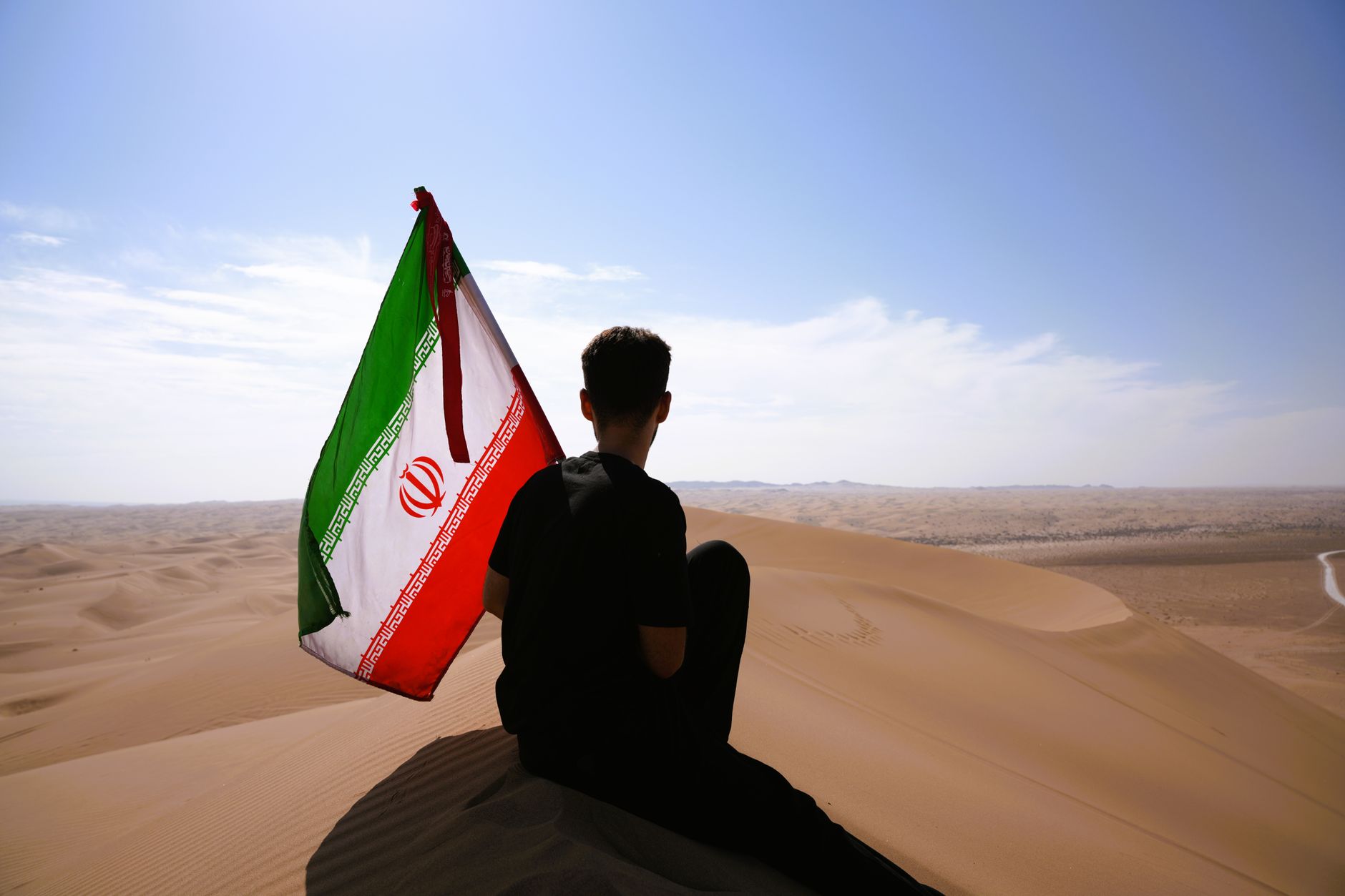
Iran-backed plot to kill Trump has resulted in a Pakistani man being sentenced to 27 years in prison for his involvement in the conspiracy.
Details of the Iran-backed plot
A Pakistani man has been sentenced to 27 years in prison for his role in an Iran-backed plot to kill Trump. The sentencing comes after a detailed investigation revealed the depth of the conspiracy that aimed to target the former president. Authorities uncovered a series of communications that highlighted the planning and coordination involved in this dangerous scheme.
Key details of the plot include:
- Involvement: The man was linked to international terrorist organizations with ties to Iran.
- Planning: The conspiracy was reportedly in the early stages, with plans to use various methods to carry out the assassination.
- Motivation: The attackers were motivated by political ideology and perceived grievances against the U.S. government.
- Discovery: Law enforcement agencies were alerted to the plot through intelligence-sharing efforts between nations.
The case underscores the ongoing threats posed by foreign entities and the seriousness with which such plots are treated by U.S. authorities. This sentence serves as a warning against any attempts to undermine national security through violent means.
The sentencing of the Pakistani man
A Pakistani man has been sentenced to 27 years in prison for his role in an Iran-backed plot to kill Trump. The man, who was arrested last year, was found guilty of conspiring to aid a foreign government in its assassination attempt. During the trial, prosecutors presented evidence that linked him to a network of individuals who had planned the attack.
The sentencing, which took place in a federal court, has drawn significant attention due to the serious implications of foreign interference in U.S. politics. The judge emphasized the gravity of the offense, stating that such plots not only threaten individuals but also undermine national security.
In delivering the sentence, the court highlighted the need for a strong deterrent against similar actions in the future. The defendant expressed remorse during the proceedings, claiming he was manipulated into participating in the conspiracy. However, the prosecution argued that the man fully understood the ramifications of his actions.
Legal experts suggest that this case could set a precedent for how the U.S. handles foreign plots against its leaders. The implications of an Iran-backed plot to kill Trump will be felt for years to come.
Reactions to the court’s decision
Reactions to the court’s decision have varied widely, with prominent figures expressing both relief and concern. Many are applauding the lengthy sentence imposed on the Pakistani man, viewing it as a strong message against foreign plots targeting political leaders, especially the recent Iran-backed plot to kill Trump.
Law enforcement officials have stated that this ruling underscores the seriousness of threats posed by foreign actors. John Doe, a senior official at the Department of Justice, commented, “This case demonstrates our commitment to protecting our democracy from those who would conspire to harm it.”
Conversely, some critics argue that the focus on the plot overshadows broader issues regarding foreign interference in American politics. Jane Smith, a political analyst, noted, “While the sentence is justified, it’s crucial we don’t lose sight of the ongoing threats that persist and evolve.”
Additionally, members of the public have taken to social media to express their thoughts. A poll conducted shortly after the sentencing revealed that a significant portion of respondents felt that the government should increase vigilance against similar threats in the future.
As discussions continue, the implications of this case are likely to resonate in the political landscape for some time.
Implications for U.S.-Iran relations
The recent sentencing of a Pakistani man for his involvement in an Iran-backed plot to kill Trump has significant implications for U.S.-Iran relations. As tensions between the two nations remain high, this incident could further strain diplomatic efforts and exacerbate existing conflicts.
The U.S. has long accused Iran of supporting extremist groups and orchestrating attacks on American interests. This plot highlights the persistent threat posed by such activities, raising questions about Iran’s commitments to international peace and security. In response, U.S. officials may push for stronger sanctions or increased military presence in the region to deter future threats.
Additionally, this case could impact negotiations surrounding Iran’s nuclear program. With the Biden administration attempting to revive the nuclear deal, incidents like this may complicate efforts to reach a consensus. Lawmakers may feel pressured to take a harder stance against Iran, potentially leading to a more aggressive foreign policy.
In the broader context, the Iran-backed plot to kill Trump serves as a reminder of the ongoing geopolitical challenges the U.S. faces. As both countries navigate the fallout from this incident, the future of their relations remains uncertain.
The recent sentencing highlights the serious implications of the Iran-backed plot to kill Trump and its potential impact on U.S.-Iran relations. As investigations continue, authorities are uncovering more details about the Iran-backed plot to kill Trump and those involved in orchestrating it.
Photo by AmirHadi Manavi Moghadam on Pexels
Sources
Related reading
Navy secretary nominee: Tough questions at Senate hearing · Nvidia results show worst market reaction in years · Top news stories: Best Quick Updates You Need to Know