 Samuel Adams
The organism that lives at high temperatures has captivated scientists with its ability to thrive in blistering environments. Understanding its mechanisms could unlock new biological insights.
What is an extremophile?
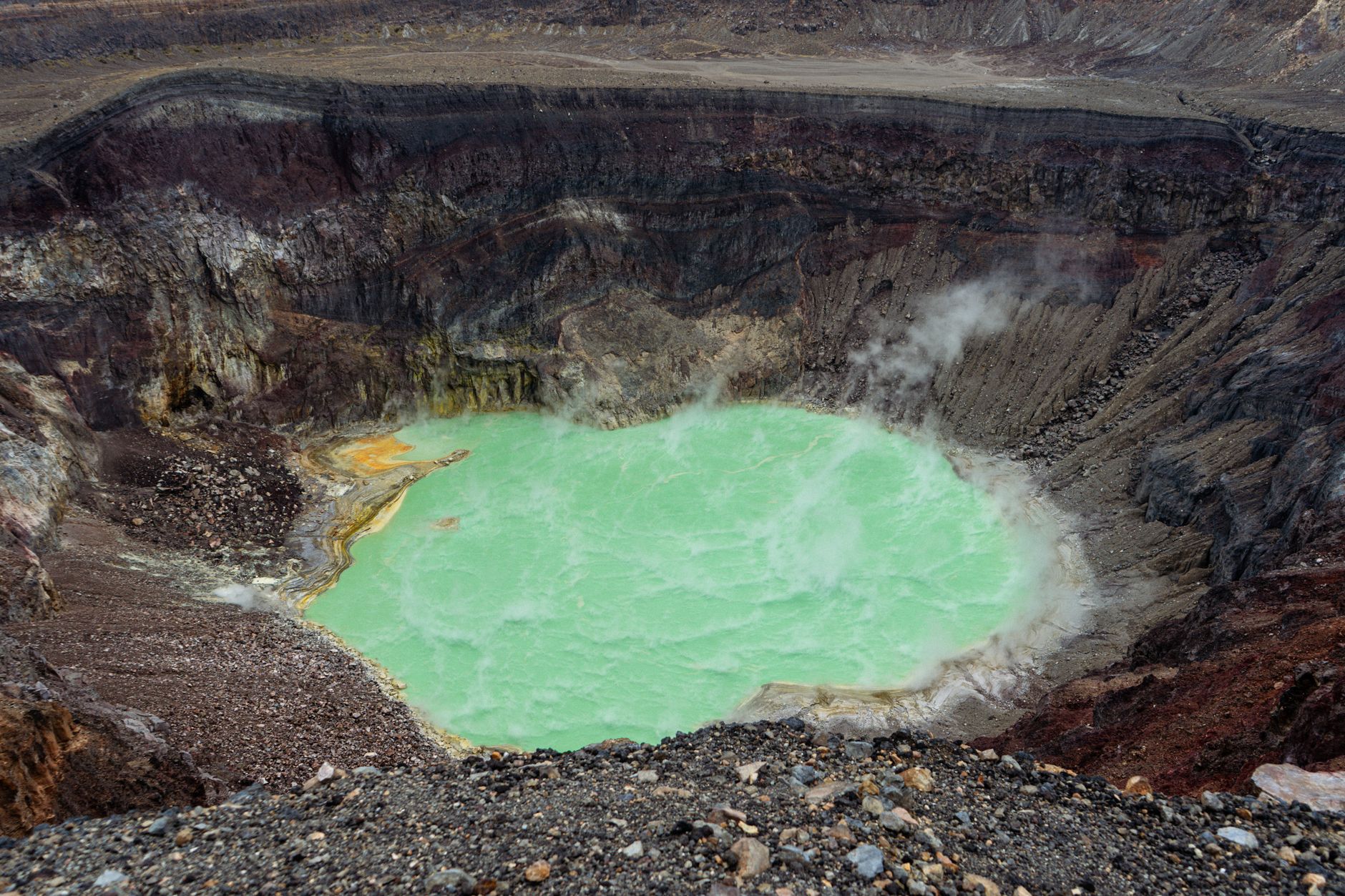
An extremophile is a remarkable organism that thrives in extreme environmental conditions, such as high temperatures, acidity, or salinity. Among the various types of extremophiles, those that live at high temperatures, often referred to as thermophiles, showcase an incredible ability to adapt to environments that would be inhospitable for most life forms.
These organisms can be found in places like hot springs, hydrothermal vents, and even in the deep sea. Their unique adaptations allow them to maintain cellular function and metabolic processes despite the extreme heat. Some key characteristics of extremophiles include:
- Heat-stable proteins: These proteins resist denaturation at high temperatures.
- Specialized membranes: Their cellular membranes remain intact and functional under thermal stress.
- Unique metabolic pathways: They have evolved biochemical processes that enable energy production in harsh conditions.
How do organisms survive extreme heat?
Organisms that live at high temperatures, known as thermophiles, have developed unique adaptations to thrive in extreme heat. These adaptations include:
- Heat-stable enzymes: Thermophiles possess enzymes that remain functional and stable at elevated temperatures, allowing them to carry out essential biochemical reactions.
- Membrane resilience: The cellular membranes of these organisms are composed of special lipids that prevent breakdown, maintaining integrity even in scorching environments.
- Protein folding mechanisms: Adaptations in protein structure help prevent denaturation, ensuring that vital proteins retain their shape and function under extreme conditions.
- DNA protection: Some thermophiles produce protective proteins that shield their DNA from damage caused by high temperatures.
Through these remarkable adaptations, organisms that live at high temperatures can not only survive but also flourish in some of the hottest places on Earth.
The role of proteins in heat resistance
Proteins play a crucial role in the survival of organisms that live at high temperatures. These heat-resistant proteins, known as thermophilic proteins, maintain their structure and function even in extreme environments. Unlike typical proteins that can denature under high heat, thermophilic proteins possess unique structural features that enhance their stability.
Some key characteristics include:
- Increased hydrogen bonding: This stabilizes the protein structure at elevated temperatures.
- Hydrophobic core: A tightly packed hydrophobic core helps resist unfolding.
- Specific amino acid composition: Certain amino acids contribute to thermal stability, allowing these proteins to function optimally under harsh conditions.
Understanding these properties not only sheds light on how extremophiles thrive but also has practical applications in biotechnology and industrial processes.
Applications of heat-resistant organisms
Applications of heat-resistant organisms are becoming increasingly relevant in various fields. These extremophiles, known as organisms that live at high temperatures, offer potential solutions in biotechnology and industry.
Some key applications include:
- Biotechnology: Heat-resistant enzymes from these organisms are used in PCR (polymerase chain reaction) processes, enhancing the efficiency and accuracy of DNA replication.
- Biofuels: Researchers are exploring these organisms for the production of biofuels, as their unique metabolic processes can help break down biomass at elevated temperatures.
- Food Preservation: Heat-resistant organisms can help develop methods to preserve food by utilizing their natural abilities to withstand high temperatures.
As scientists continue to study these remarkable organisms, their applications are likely to expand, offering innovative solutions to modern challenges.
Discoveries in extreme environments
Recent explorations in extreme environments have unveiled remarkable organisms that thrive in blistering temperatures. These discoveries have expanded our understanding of life in high-temperature habitats, revealing unique adaptations that enable survival. Scientists have focused on thermophiles, a type of organism that lives at high temperatures, showcasing their resilience and metabolic capabilities.
Notable findings include:
- Thermoproteus tenax: A microorganism found in hot springs, demonstrating extraordinary heat tolerance.
- Picrophilus torridus: Surviving in acidic hot springs, highlighting the diversity of extreme habitats.
- Pyrolobus fumarii: Thriving at temperatures above 100°C, this archeon challenges our understanding of life’s limits.
These organisms not only provide insight into evolutionary adaptations but also hold potential for biotechnological advancements.
Future research on high-temperature life forms
Future research on high-temperature life forms aims to uncover the genetic and biochemical adaptations that enable these organisms to thrive in extreme environments. Scientists are particularly interested in understanding the unique proteins and metabolic pathways that allow extremophiles to withstand blistering temperatures. This research could lead to advancements in biotechnology and medicine, as the properties of these heat-resistant organisms may be harnessed for various applications.
Additionally, exploring the ecosystems where these organisms live can provide insights into the limits of life on Earth and potentially guide the search for life on other planets. As we delve deeper into the world of heat-loving organisms, new discoveries are likely to reshape our understanding of life’s resilience and adaptability in the face of extreme conditions.
- Investigating genetic adaptations
- Exploring metabolic pathways
- Potential biotechnological applications
One of the most fascinating examples of an organism that lives at high temperatures is the archaeon Thermococcus gammatolerans, which thrives in extreme environments like hydrothermal vents. Researchers are continually exploring the adaptations of this organism that lives at high temperatures to understand its potential applications in biotechnology.
References
You might also like
Latest news Germany: What are the best updates today? · Taiwan Chinese vessels threat: Clear Warning About Security · Restart Peace Talks: Smart Move for Future Relations