 Samuel Adams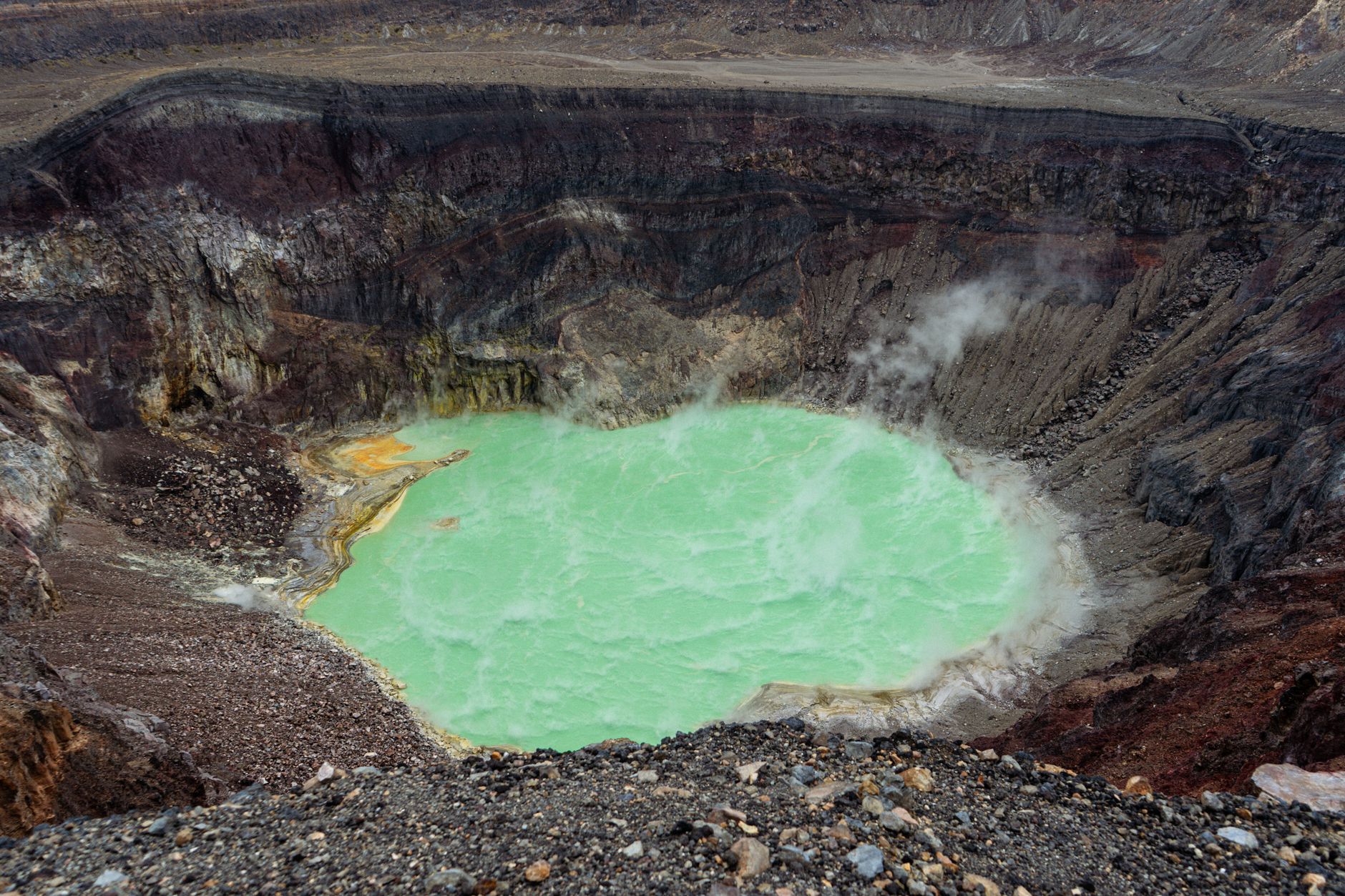
water fueling volcanoes has been discovered by scientists, showing that these geological activities were influenced by water 3 billion years ago.
Understanding Volcanoes
Volcanoes are fascinating geological structures that have shaped Earth’s landscape for millions of years. They are formed by the movement of tectonic plates and the buildup of magma beneath the surface. Recent research has revealed that water fueling volcanoes played a critical role in the formation and activity of these natural wonders, even billions of years ago.
Scientists have discovered evidence indicating that water was present in significant quantities during ancient volcanic eruptions. This water, trapped in minerals, could lower the melting point of rocks, leading to more explosive volcanic activity. Understanding the interaction between water and magma is essential for comprehending past and present volcanic behavior.
Key points about volcanoes include:
- Formation: Created by tectonic shifts and magma accumulation.
- Types: Include shield, stratovolcano, and cinder cone volcanoes.
- Impact: Eruptions can cause widespread devastation and affect climate.
As researchers continue to explore the role of water in volcanic processes, our understanding of these powerful phenomena will deepen.
The Role of Water in Volcanic Activity
The discovery that water was fueling volcanoes 3 billion years ago has significant implications for our understanding of ancient volcanic activity. Researchers have found that water plays a crucial role in the eruption processes, influencing magma formation and gas release.
In these ancient settings, water interacted with molten rock, creating a range of geological phenomena. The presence of water can:
- Lower melting points of rocks, allowing magma to form more easily.
- Increase the explosiveness of eruptions by generating steam and gas as pressure builds.
- Facilitate the movement of magma through the crust, leading to more frequent volcanic activity.
This evidence suggests that the relationship between water and volcanic processes is not just a modern phenomenon but has been integral to the Earth’s geological history. Understanding how water fueled volcanoes in the past can provide insights into current volcanic systems and potential future eruptions.
Ancient Geological Processes
Recent research has revealed that ancient geological processes were significantly influenced by water fueling volcanoes over three billion years ago. This discovery sheds light on the dynamic interactions between water and volcanic activity during Earth’s formative years.
Geologists have identified several key aspects of these ancient processes:
- Subduction Zones: Water played a crucial role in subduction zones, where oceanic plates sink beneath continental plates, leading to increased melting of mantle rocks.
- Hydrothermal Systems: The presence of water contributed to the formation of hydrothermal systems, which are vital in transporting heat and promoting volcanic eruptions.
- Rock Alteration: Water facilitated the alteration of rocks, influencing their chemical composition and increasing their susceptibility to melting.
These findings emphasize the importance of water in shaping volcanic landscapes and highlight its role in the geological history of our planet. Understanding how water fueled volcanoes in the past can provide insights into future volcanic behaviors.
Impact of Water on Earth
The impact of water on Earth’s geological processes is profound, particularly in the context of volcanic activity. Recent studies have shown that water fueling volcanoes is not a modern phenomenon but has been influencing eruptions for billions of years. This relationship plays a crucial role in understanding the dynamics of volcanic systems.
Water affects magma formation and movement, contributing to the melting of rocks beneath the Earth’s surface. When water is present, it lowers the melting point of rocks, allowing magma to form more easily. This process can lead to increased volcanic activity, as seen in ancient geological records.
Moreover, the presence of water can significantly alter the explosiveness of volcanic eruptions. Volcanic gases released during eruptions can interact with water, creating steam that increases pressure and can lead to more violent explosions. As scientists continue to explore these ancient processes, the role of water remains a critical factor in understanding the history of volcanic activity on Earth.
Scientific Methods Used
Researchers have employed various scientific methods to understand the role of water fueling volcanoes in ancient geological processes. One prominent technique is isotope analysis, which helps scientists track the movement and presence of water in volcanic rocks. By studying isotopic signatures, they can identify the sources of water and its interaction with magma over time.
Another method involves geophysical imaging, which provides a detailed view of the subsurface structures of volcanoes. This technique allows scientists to detect the presence of water reservoirs beneath the surface that contribute to volcanic activity.
Additionally, computer modeling plays a crucial role in simulating volcanic eruptions and water dynamics. These models help predict how water influences magma behavior, offering insights into potential eruption patterns.
Finally, field studies of ancient volcanic sites provide direct evidence of water’s involvement in historical eruptions, showcasing its essential role in the evolution of volcanic systems.
Key Discoveries in Volcanology
Recent research has unveiled significant findings regarding the role of water fueling volcanoes throughout Earth’s history. Scientists have determined that water was a crucial factor in volcanic activity as far back as 3 billion years ago, impacting both the formation of volcanoes and the nature of eruptions.
Several key discoveries have emerged from this research:
- Ancient Magma Formation: Water influences the melting point of rocks, allowing magma to form at lower temperatures. This understanding reshapes our view of ancient volcanic systems.
- Volcanic Eruptions: The presence of water leads to explosive eruptions by creating steam at high pressures, altering the dynamics of volcanic activity.
- Geological Evidence: Researchers have uncovered geological formations that suggest a wetter environment during periods of increased volcanic activity, supporting the theory of water fueling volcanoes.
These insights not only enhance our understanding of ancient geological processes but also highlight the critical role of water in shaping Earth’s volcanic landscape.
Implications for Future Research
The recent discoveries surrounding water fueling volcanoes have profound implications for future research in volcanology and planetary science. Understanding the role of water in ancient volcanic activity not only sheds light on Earth’s geological past but also helps refine models predicting volcanic behavior in the present and future.
Researchers are now encouraged to explore several key areas:
- Comparative Planetology: Studying other celestial bodies for signs of water-related volcanic activity could reveal universal patterns of volcanism.
- Climate Change Impacts: Investigating how changes in water availability influence volcanic eruptions will enhance our understanding of natural disasters.
- Geochemical Processes: Analyzing the interactions between water and magma can lead to insights about the formation of mineral deposits.
- Long-term Monitoring: Developing advanced monitoring techniques will be crucial for assessing risks associated with volcanoes influenced by water.
These research directions could significantly advance our knowledge and preparedness for volcanic phenomena worldwide.
Conclusion and Future Directions
In conclusion, the revelation that water was fueling volcanoes over three billion years ago significantly enhances our understanding of early Earth and its geological processes. This discovery not only sheds light on ancient volcanic activities but also emphasizes the crucial role of water in shaping the planet’s surface and atmosphere.
As we look toward the future, several directions for research emerge:
- Investigating Ancient Volcanic Sites: Further exploration of ancient volcanic sites may uncover more evidence of water’s involvement in eruptions.
- Modeling Volcanic Activity: Developing models that incorporate water’s role can lead to better predictions of volcanic behavior.
- Understanding Climate Interactions: Examining the interplay between water and volcanic activity can improve our understanding of climate change impacts.
- Enhancing Monitoring Techniques: Innovative technologies may help monitor current volcanic systems where water continues to play a pivotal role.
Ultimately, continued research into water fueling volcanoes promises to unveil further mysteries of our planet’s history and its dynamic processes.
Recent studies have revealed that water fueling volcanoes played a crucial role in shaping ancient landscapes. Understanding the mechanisms of water fueling volcanoes can provide insights into past eruptions and their impacts on the environment.
Photo by Edu Raw on Pexels
References
Related stories
False Claims Republican Convention: The Real Truth Revealed · iPhone price increase: Is it worth the extra cost? · Picard Maneuver: Is It the Best Proven Physics Concept?