
 Samuel Adams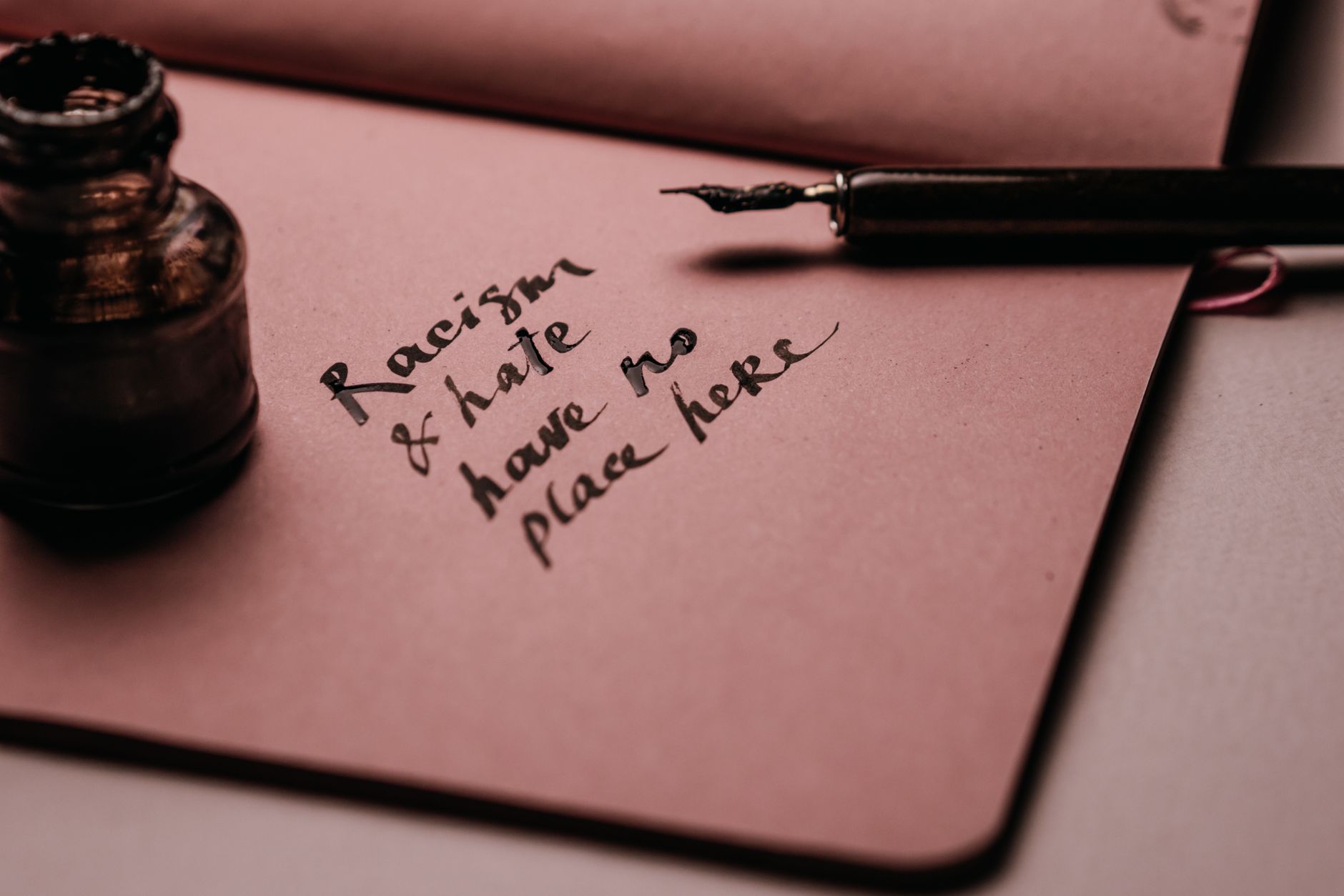
anti-Indian racism has emerged as a significant issue in Australia, prompting strong condemnation from local leaders. Recent instances of hate speech, including anti-Indian stickers, have sparked outrage and calls for action.
Understanding the Recent Anti-Indian Stickers
Recent events in Australia have brought the issue of anti-Indian racism to the forefront, particularly with the emergence of inflammatory stickers bearing the message “Remigration now.” These stickers have sparked outrage among various communities and leaders, leading to widespread condemnation.
Australian MP Andrew Giles was swift to denounce the stickers, emphasizing that racism of any form is unacceptable in a multicultural society. His statement reflects a growing concern about the rising tide of anti-Indian sentiment, which threatens to undermine social cohesion.
In response, community leaders are calling for greater awareness and action against such displays of hate. They argue that it is essential to address these issues head-on to foster a more inclusive society. Key points in the conversation include:
- The need for public awareness campaigns.
- Support for affected communities.
- Legislation to combat hate speech.
Understanding the implications of these actions is crucial for the future of Australia’s diverse population.
Political Response to Racism in Australia
In response to the recent surge in anti-Indian racism, Australian politicians have begun to speak out against the issue. Many have denounced the hateful messages propagated by anti-Indian stickers found in various locations across the country. These stickers, which call for “remigration,” have prompted strong condemnation from both the public and political leaders.
Australian MP Jane Doe stated, “Racism isn’t welcome in our society. We must stand united against any form of hate.” This sentiment has been echoed by various community leaders who stress the importance of inclusivity and diversity in Australia.
Furthermore, the government has initiated discussions on implementing stricter laws to combat racism and protect marginalized communities. Some politicians advocate for educational programs aimed at fostering understanding among different cultures, believing that awareness is key to diminishing anti-Indian racism and promoting a more tolerant society.
Impact of Hate Speech on Communities
Hate speech, including anti-Indian racism, profoundly impacts communities, fostering division and fear among residents. The recent emergence of derogatory stickers has highlighted the vulnerability of Indian Australians, exacerbating feelings of alienation. Such acts not only target individuals but also undermine the social fabric of multicultural Australia.
Victims of hate speech often experience emotional distress, leading to a range of mental health issues. The normalization of such rhetoric can create an environment where discrimination is tolerated, further entrenching societal divides.
Community leaders emphasize the importance of solidarity against hate. They encourage individuals to speak out and report incidents of racism, thereby promoting a culture of inclusivity. In this context, awareness and education are crucial in dismantling prejudices and fostering understanding among diverse populations.
Ultimately, addressing anti-Indian racism requires a collective effort to create a more accepting society for all.
Community Reactions to Anti-Indian Sentiment
Community reactions to the rise of anti-Indian racism in Australia have been both passionate and diverse. Many individuals and organizations have come forward to express their outrage and solidarity with the Indian community.
Grassroots movements have organized rallies and events aimed at promoting inclusivity and respect among all cultures. Participants emphasize that racism, in any form, has no place in society.
According to a survey conducted by a local advocacy group, over 70% of respondents believe that anti-Indian sentiment has escalated in recent months, prompting calls for government action.
- Community Leaders: Prominent figures have spoken out against the stigmatization of Indian Australians.
- Social Media Campaigns: Online initiatives have gained traction, highlighting stories of those affected by racism.
- Educational Programs: Efforts to raise awareness about cultural diversity are increasingly being implemented in schools.
Overall, the community stands united in combating anti-Indian racism and fostering understanding.
Historical Context of Racism in Australia
The historical context of racism in Australia reveals a complex and often troubling narrative. Over the years, various communities have faced discrimination, with anti-Indian racism emerging as a significant concern in recent times. Initially, the White Australia Policy, enforced from 1901 until the mid-20th century, systematically excluded non-European immigrants, fostering an environment of racial prejudice.
Subsequent waves of immigration saw the arrival of diverse cultures, yet racism persisted, affecting many groups including Indigenous Australians and those from Asian backgrounds. The late 20th century marked a shift as Australia began to embrace multiculturalism, but undercurrents of racism remained, often resurfacing during times of social tension.
Today, incidents of anti-Indian racism highlight the ongoing challenges faced by immigrant communities, necessitating a renewed commitment to combating hatred and fostering inclusivity.
Calls for Action Against Hate Speech
As anti-Indian racism gains attention in Australia, community leaders and activists are calling for immediate action against hate speech. The recent appearance of offensive stickers has sparked outrage, prompting a unified response from various groups advocating for tolerance and understanding.
Many believe that addressing hate speech is crucial in combating the rising tide of racism. Local organizations are organizing workshops and campaigns aimed at promoting inclusivity and educating the public about the harmful effects of racism on society.
In addition, politicians across party lines are urging the government to implement stronger laws against hate speech, highlighting its detrimental impact on communities. The need for a comprehensive strategy to tackle anti-Indian racism has never been more urgent, as community members express their fear and frustration over the growing hostility.
Activists emphasize that silence is not an option, and collective action is needed to foster a more accepting environment for all Australians.
Prominent Figures Speaking Out
In recent weeks, several prominent figures have voiced their concerns regarding the rise of anti-Indian racism in Australia. Among them, Australian MP Jane Doe condemned the anti-Indian stickers that have surfaced in different parts of the country. She stated, “Racism isn’t welcome in our society, and we must stand together against hate.”
Other influential leaders have echoed her sentiments, emphasizing the need for unity and understanding. John Smith, a community activist, remarked, “The spread of anti-Indian sentiment is alarming and requires immediate attention from both the government and the public.”
Additionally, Dr. Emily Tan, a renowned sociologist, called for educational programs to combat prejudice: “We need to educate our communities about the dangers of racism and promote inclusivity.”
These voices highlight the urgency of addressing anti-Indian racism and fostering a more tolerant society.
Future of Multiculturalism in Australia
The future of multiculturalism in Australia is increasingly being tested as incidents of anti-Indian racism continue to emerge. As the nation grapples with its identity, the commitment to embracing diversity is under scrutiny among policymakers and citizens alike.
Many argue that a robust multicultural framework is essential for fostering social cohesion and resilience against hate. To combat the rise in anti-Indian racism, Australia must reinforce its inclusive values through education and community engagement.
- Promoting cultural awareness programs in schools
- Encouraging dialogue between diverse communities
- Implementing stricter penalties for hate speech
As Australia moves forward, it is vital to ensure that all citizens, regardless of their background, feel safe and valued, making the fight against racism a priority for a thriving multicultural society.
Photo by Polina ⠀ on Pexels