
 Samuel Adams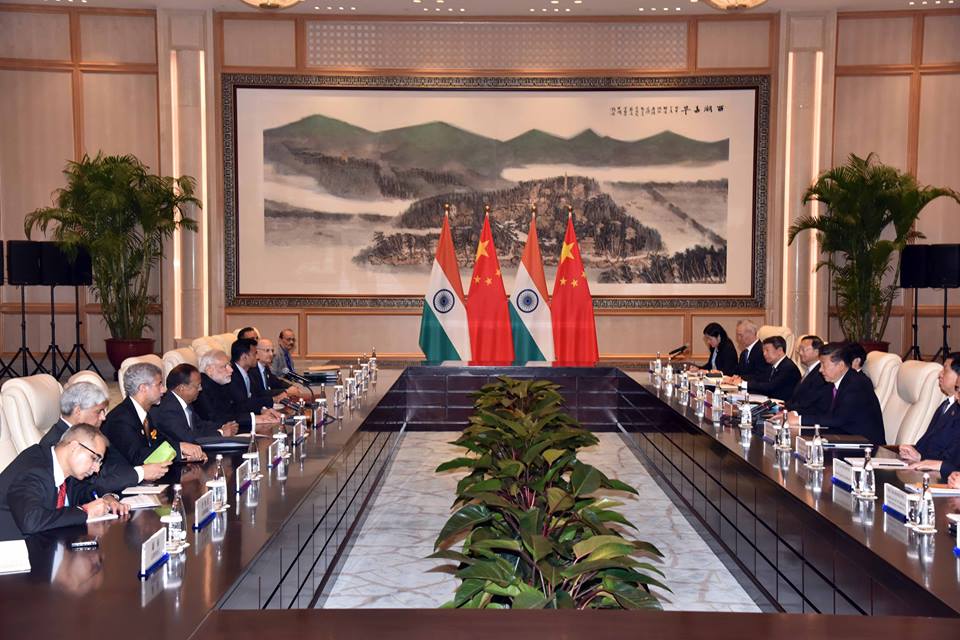
India-China ties are at the forefront as Salman Khan’s Maatrubhumi reportedly receives government approval. The film presents a positive narrative about the relationship between the two nations.
Overview of Maatrubhumi
The recent developments surrounding Salman Khan’s film, Maatrubhumi, have sparked interest in the portrayal of India-China ties. The film reportedly received a government No Objection Certificate (NOC) and has undergone revisions to reflect a more positive perspective on the bilateral relationship.
As the film industry often influences public perception, Maatrubhumi aims to highlight the importance of understanding and cooperation between the two nations. Critics and supporters alike are eager to see how the narrative unfolds, particularly in the context of ongoing geopolitical tensions.
Key points regarding the film include:
- Government support for cinematic representations of international relations.
- Efforts to foster a more amicable image of India-China ties.
- Potential impact on audience perceptions and diplomatic discourse.
Government NOC for Maatrubhumi
The Indian government has granted a No Objection Certificate (NOC) for the film Maatrubhumi, which has sparked discussions about its portrayal of India-China ties. This approval comes after the film underwent revisions to depict the relationship between the two nations in a more positive light, highlighting the potential for cooperation and mutual respect.
Critics and supporters alike are eager to see how the film balances artistic expression with diplomatic sensitivities. The film’s narrative aims to foster understanding and promote dialogue, which is crucial in a time when relations between India and China have been under scrutiny.
- Positive representation of bilateral relations
- Focus on cooperation over conflict
- Encouragement of cultural exchange
As Maatrubhumi prepares for release, its impact on public perception of India-China ties remains to be seen.
Impact on India-China relations
The recent approval of Salman Khan’s film Maatrubhumi by the government has sparked discussions regarding its portrayal of India-China ties. Experts believe that this film could play a significant role in shaping public perception about the relationship between the two nations. By highlighting positive interactions and shared cultural elements, Maatrubhumi aims to counteract the prevailing narratives that often focus solely on conflict.
Some potential impacts on India-China relations include:
- Encouraging dialogue and understanding between the two countries.
- Promoting collaboration in various sectors, including trade and tourism.
- Fostering a sense of shared identity among citizens of both nations.
Overall, the film could serve as a medium for rekindling optimism about bilateral relations moving forward.
Salman Khan’s role in the film
In the film Maatrubhumi, Salman Khan plays a pivotal role that not only showcases his acting prowess but also serves as a bridge in illustrating the complexities of India-China ties. His character navigates intricate relationships, highlighting the importance of understanding cultural differences while promoting harmony. Through his journey, the film attempts to present a narrative that fosters a positive perception of India-China relations, a theme that is crucial given the current geopolitical landscape.
The film’s revised storyline, following the receipt of the Government NOC, emphasizes collaboration and mutual respect, elements that are essential for strengthening ties between the two nations. As Salman Khan’s character evolves, viewers are encouraged to reflect on broader themes of unity and coexistence, making Maatrubhumi a timely cinematic contribution to the dialogue surrounding India-China ties.
Public reception of Maatrubhumi
The public reception of Maatrubhumi has been largely positive, reflecting a growing interest in films that explore complex international relations. Many viewers appreciate the film’s portrayal of India-China ties, particularly in the context of cultural exchange and mutual understanding.
Audience reactions highlight several key aspects:
- Engaging storytelling: Many fans have praised the narrative for its balanced representation of both nations.
- Star power: Salman Khan’s involvement has attracted his extensive fanbase, further boosting the film’s visibility.
- Cultural diplomacy: Viewers hope that the film will foster dialogue and improve perceptions between India and China.
Overall, Maatrubhumi is seen as a step towards enhancing India-China ties, encouraging audiences to look beyond political tensions.
Cultural significance of the film
The film Maatrubhumi has emerged as a significant cultural touchstone, particularly in the context of India-China ties. It explores themes of unity and collaboration, presenting a narrative that emphasizes the shared heritage and cultural connections between the two nations. By highlighting moments of solidarity, the film aims to foster a deeper understanding among audiences about the importance of maintaining peaceful relations.
Critics have praised the film for its artistic portrayal of cross-cultural interactions, which not only entertains but also educates viewers. The story’s emphasis on empathy and respect serves as a reminder of the potential for collaboration in areas such as trade, tourism, and cultural exchange.
Ultimately, Maatrubhumi underscores the need for dialogue and mutual respect in navigating the complexities of India-China ties. Its success may pave the way for more films that address similar themes.
Future of India-China ties
The future of India-China ties appears to be influenced significantly by cultural representations such as Maatrubhumi. As the film showcases a more harmonious relationship between the two nations, it hints at a potential shift in public perception. Analysts suggest that the positive portrayal of India-China ties could encourage dialogue and cooperation beyond the cinematic realm.
Furthermore, the film’s reception may spark interest in collaborative projects that promote mutual understanding. As both countries navigate their complex relationship, cultural initiatives like Maatrubhumi could serve as a bridge, fostering goodwill and shared values.
Ultimately, the evolving narrative surrounding India-China ties through popular media may play a crucial role in shaping future diplomatic engagements, suggesting that art and culture can contribute to a more peaceful coexistence.
Conclusion on film’s message
In conclusion, the film Maatrubhumi encapsulates a hopeful narrative regarding India-China ties, presenting a vision of collaboration and understanding between the two nations. Through its storytelling, the film emphasizes the importance of cultural exchange and mutual respect, which are crucial in fostering stronger diplomatic relations.
While the portrayal of these ties has sparked debate among audiences, it ultimately aims to bridge gaps rather than highlight differences. The positive representation of India-China relations in the film could serve as a catalyst for dialogue and cooperation in real-world scenarios.
As viewers reflect on the messages conveyed in Maatrubhumi, it is essential to consider how cinematic narratives can influence perceptions and contribute to a more harmonious relationship between India and China.
By Prime Minister’s Office, Government of India via Openverse