
 Samuel Adams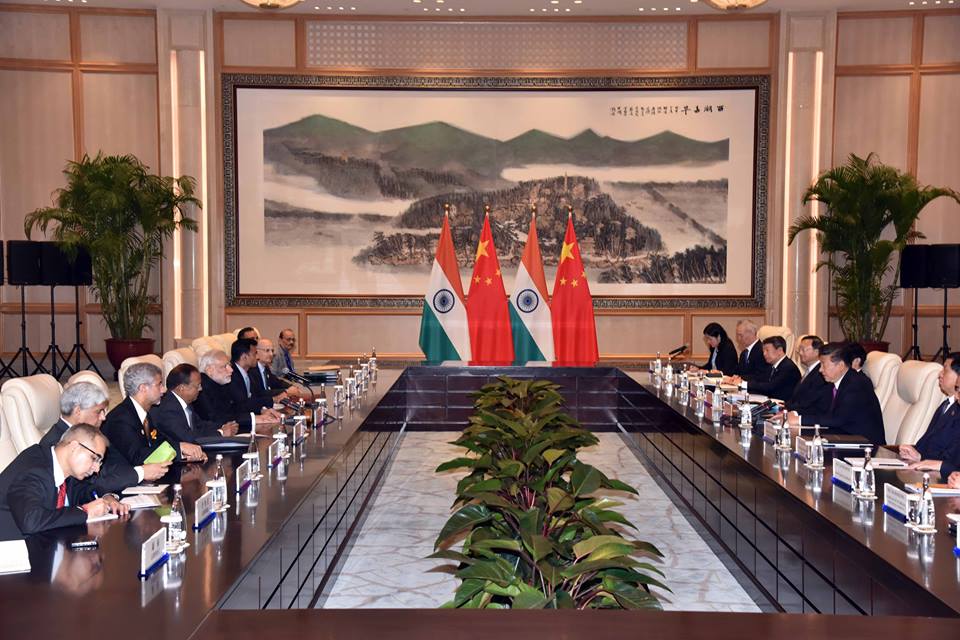
India-China ties are improving significantly compared to a couple of years ago, according to EAM Jaishankar. This positive development reflects ongoing diplomatic efforts and engagement between the two nations.
Current Status of India-China Relations
In recent years, the relationship between India and China has undergone significant fluctuations, often characterized by tensions along their shared border. However, recent statements by Indian External Affairs Minister S. Jaishankar indicate a more optimistic outlook on India-China ties. He emphasized that the current status of their relationship is “better” than it was a couple of years ago, suggesting a cautious yet positive shift in diplomatic engagements.
Several factors contribute to this improved relationship:
- Diplomatic Dialogue: Both nations have engaged in renewed dialogues aimed at resolving outstanding issues, including border disputes and trade disagreements.
- Economic Interdependence: Trade between the two countries has shown resilience, with both sides recognizing the benefits of mutual cooperation in various sectors.
- Regional Stability: There is a shared understanding that maintaining regional stability is crucial for both nations, leading to collaborative efforts in multilateral forums.
Despite these positive developments, challenges remain. Issues such as military posturing along the Line of Actual Control and differing strategic visions for the Indo-Pacific region continue to pose hurdles. Nevertheless, the sentiment around India-China ties reflects a willingness to engage and find common ground, suggesting that future interactions may lead to further improvements in their bilateral relations.
Historical Context of the Ties
The historical context of India-China ties is marked by a complex interplay of cooperation and conflict. The two nations share a long border and a rich cultural heritage, yet their relationship has been fraught with challenges since the mid-20th century.
In 1950, India was one of the first countries to recognize the People’s Republic of China, and the two nations initially enjoyed a cordial relationship. However, this was soon overshadowed by territorial disputes, culminating in the Sino-Indian War of 1962. The war left a lasting impact on bilateral relations, resulting in mistrust and suspicion that persisted for decades.
Despite these challenges, there have been significant attempts to improve relations in recent years. Both countries have engaged in dialogue to address border disputes and enhance economic cooperation. The establishment of various bilateral mechanisms, such as the Special Representatives talks, has aimed to foster a deeper understanding of each other’s perspectives.
In recent years, the dynamics of India-China ties have shifted, with a focus on collaboration in trade and regional stability. The growing economic interdependence between the two nations presents opportunities for constructive engagement, even amidst underlying tensions.
As leaders from both countries continue to emphasize the importance of dialogue, the historical context serves as a reminder of the complexities that define India-China ties, showcasing the potential for better relations if both sides prioritize mutual respect and cooperation.
Key Diplomatic Efforts
In recent years, India-China ties have witnessed several key diplomatic efforts aimed at improving relations between the two nations. These initiatives demonstrate a commitment to dialogue and collaboration, addressing longstanding issues while fostering mutual understanding.
One significant effort was the establishment of the Wuhan Consensus in 2018, which set the stage for high-level meetings between the leaders of both countries. This framework emphasized the importance of communication and mutual respect, serving as a foundation for subsequent discussions.
Additionally, the Chennai Connect in 2019 further strengthened diplomatic channels, focusing on economic cooperation and cultural exchanges. Both nations recognized the necessity of enhancing people-to-people ties, which can lead to greater goodwill and trust.
The recent dialogues between the foreign ministers of India and China highlight ongoing efforts to address border disputes and security concerns. These discussions have led to confidence-building measures aimed at de-escalating tensions along the Line of Actual Control (LAC).
Moreover, participation in multilateral forums, such as the Shanghai Cooperation Organization (SCO) and BRICS, has provided a platform for India and China to collaborate on regional issues, promoting stability and prosperity in Asia.
As both countries navigate their complex relationship, these diplomatic efforts reflect a shared understanding that a constructive partnership is essential for regional growth and security.
Impact on Regional Stability
The evolving landscape of India-China ties has significant implications for regional stability in Asia. As two of the largest economies in the region, their relationship directly influences the geopolitical dynamics of neighboring nations. A cooperative approach between India and China can pave the way for enhanced security and economic prosperity across South Asia.
Strengthened ties have the potential to foster collaboration on critical issues, including:
- Border Security: Joint mechanisms for managing border disputes can minimize tensions and reduce the risk of military confrontations.
- Trade Relations: Improved economic interactions can lead to greater interdependence, encouraging both nations to prioritize dialogue over conflict.
- Climate Change: Collaborative efforts can tackle environmental challenges that affect the region, promoting sustainable development and resource management.
Furthermore, the stabilization of India-China relations can encourage other countries in the region to pursue similar diplomatic channels. This creates a ripple effect, fostering a culture of dialogue and cooperation rather than rivalry.
In conclusion, as emphasized by External Affairs Minister S. Jaishankar, the current state of India-China ties reflects a positive shift from previous years, underscoring the potential for a more stable and prosperous Asian region through mutual understanding and collaboration.
Future Outlook for Relations
The future outlook for India-China ties appears cautiously optimistic, as both nations recognize the importance of fostering a stable and cooperative relationship. Recent discussions between high-level officials have indicated a willingness to engage in dialogue and address longstanding issues that have strained their ties.
As regional dynamics continue to evolve, the following factors could play a crucial role in shaping the future of India-China relations:
- Economic Cooperation: Strengthening trade and investment can serve as a foundation for better ties. Both countries stand to benefit from increased economic interdependence.
- Climate Change Initiatives: Collaborative efforts in addressing climate issues can act as a bridge to enhance diplomatic engagement.
- People-to-People Connections: Promoting cultural exchanges and tourism can help build mutual understanding and respect between the two nations.
- Multilateral Engagement: Participation in regional forums and multilateral organizations may facilitate constructive dialogue on shared challenges.
While challenges remain, including border disputes and geopolitical tensions, the commitment to a better relationship offers a pathway to resolution. As emphasized by External Affairs Minister Jaishankar, the current state of India-China ties is significantly improved compared to previous years, suggesting a positive trajectory moving forward.
Public Sentiment on Diplomacy
Public sentiment regarding India-China ties has evolved significantly over the years, reflecting the complexities of the relationship between the two nations. Recent surveys indicate a general desire for improved diplomatic relations, despite historical tensions and border disputes.
Many citizens believe that enhancing ties could lead to mutual benefits, including economic growth and regional stability. A significant portion of the population expresses optimism about the positive impact of ongoing diplomatic efforts, such as high-level meetings and trade negotiations.
- Economic Collaboration: Citizens recognize the potential for trade agreements that could stimulate both economies.
- Cultural Exchange: There is a growing interest in fostering cultural ties, which can promote understanding and reduce misconceptions.
- Security Cooperation: A considerable number of individuals support collaborative efforts in addressing shared security challenges, particularly in the context of regional stability.
However, while there is a prevailing hope for better relations, concerns regarding national security and sovereignty persist. Many citizens are wary of the implications of deepening ties with China, especially in light of past conflicts. As a result, public sentiment remains divided, navigating between the desire for diplomacy and the need to uphold national interests.
Ultimately, the path to improving India-China ties hinges on addressing these complex public sentiments while fostering an environment of trust and cooperation.
Economic Implications of Improved Ties
The economic implications of improved India-China ties are significant, offering potential benefits that could reshape the landscape of bilateral relations in the region. Both nations are among the world’s largest economies, and enhancing their partnership could lead to numerous advantages.
- Increased Trade: Strengthening ties could result in a substantial increase in trade volume. The potential for reduced tariffs and improved market access would directly benefit both economies, allowing for a more favorable exchange of goods and services.
- Investment Opportunities: Enhanced relations may encourage Chinese investments in India’s burgeoning sectors, such as technology and infrastructure. Similarly, Indian companies could find lucrative opportunities in China’s vast market, fostering mutual growth.
- Supply Chain Resilience: Improved cooperation can lead to stronger supply chain networks, benefiting both countries in times of global economic uncertainty. Collaborations in manufacturing and technology could ensure stability and efficiency.
- Regional Economic Integration: A more harmonious relationship between India and China could pave the way for greater regional economic integration in Asia, encouraging collaborative projects and initiatives that can uplift neighboring economies.
Ultimately, fostering better India-China ties rests on recognizing the economic benefits that such a partnership can yield. As both nations navigate their complex relationship, focusing on shared economic interests may serve as the best proven path to better relations.
By Prime Minister’s Office, Government of India via Openverse
References
Related stories
Global Corporate Social Responsibility Report: Is It Worth It? · Artifactory vulnerabilities: Worst flaws enable admin access · Meta Enterprise AI: The Smart Push for Innovation