
 Samuel Adams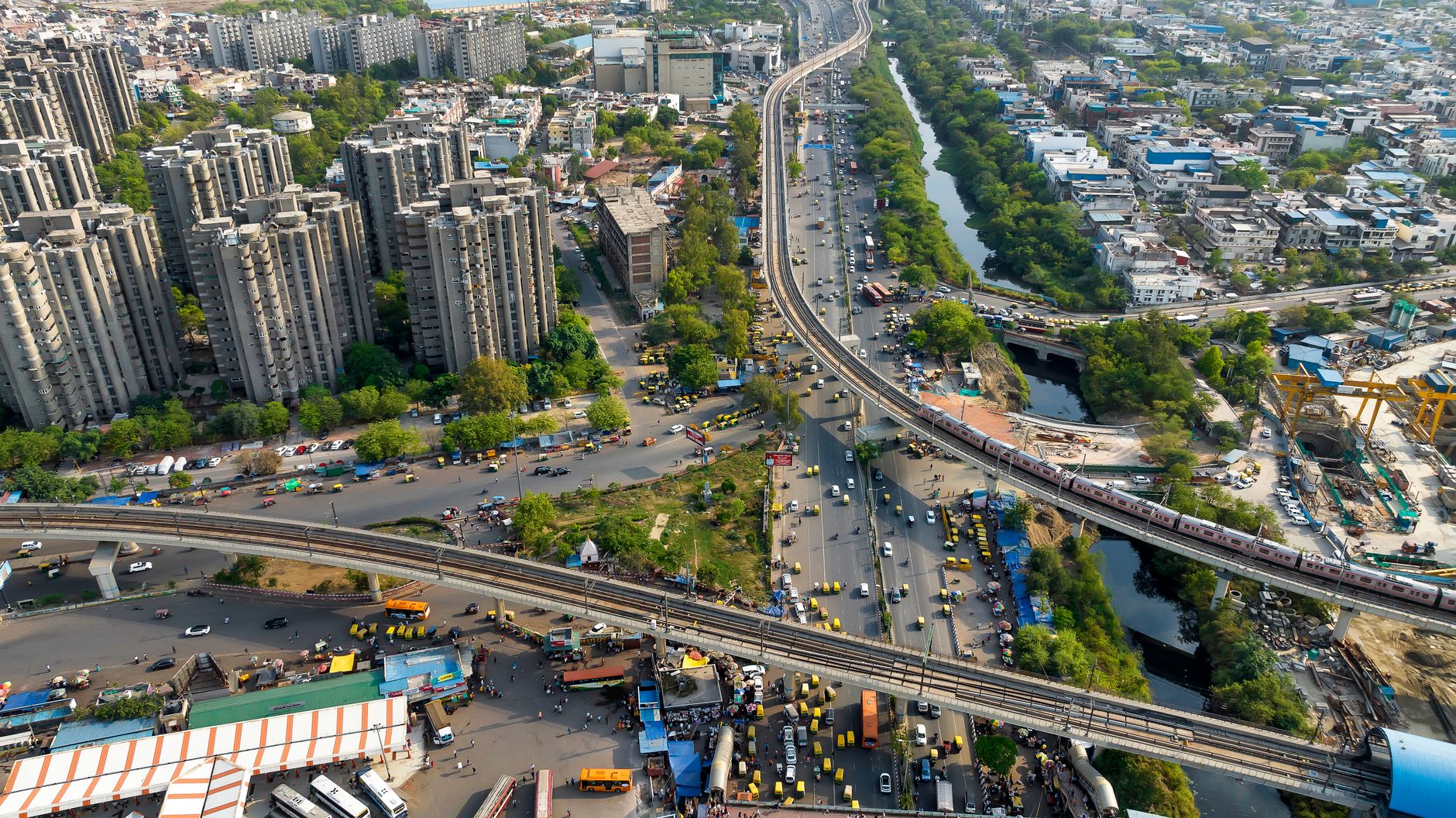
India robust growth is evident even as the global economy faces challenges. The Standing Committee on Finance highlights key factors contributing to this resilience.
Overview of India’s Economic Performance
India’s economic performance has been a topic of discussion as it continues to showcase robust growth despite facing challenges from a turbulent global economy. Recent reports highlight that the nation has managed to sustain its momentum, positioning itself as one of the fastest-growing major economies in the world.
The Standing Committee on Finance recently presented findings to the Lok Sabha, emphasizing several key factors that have contributed to India’s resilience:
- Policy Reforms: Strategic reforms aimed at improving the business environment have played a crucial role in attracting foreign investment.
- Infrastructure Development: Continued investments in infrastructure projects are essential for long-term economic growth and job creation.
- Digital Transformation: The rapid adoption of technology in various sectors has enhanced productivity and efficiency.
- Diverse Economy: India’s diverse economic landscape allows it to adapt to changing market conditions effectively.
As the country navigates global uncertainties, these strategies reflect India’s commitment to maintaining its robust growth trajectory, aiming for higher standards of living for its citizens while strengthening its position on the global stage.
Key Factors Behind India’s Growth
India’s robust growth can be attributed to several key factors that have enabled the country to maintain a steady economic trajectory even in a turbulent global environment.
- Government Policies: Proactive government initiatives aimed at improving ease of doing business have attracted significant foreign investment, fostering a more competitive market landscape.
- Technological Advancements: The rapid adoption of technology across various sectors, including manufacturing and services, has enhanced productivity and efficiency.
- Demographic Dividend: A young and growing population provides a vast labor force, driving consumption and economic activity.
- Infrastructure Development: Continued investments in infrastructure, such as roads, railways, and digital connectivity, have stimulated various sectors, facilitating trade and commerce.
- Strategic Reforms: Recent reforms in taxation and labor laws have improved the business environment, making it more attractive for both domestic and international players.
These factors collectively contribute to India’s robust growth, positioning the nation as a significant player in the global economy and an example of resilience amid challenges.
Impact of Global Economy on India
The impact of the global economy on India is a complex interplay of various factors that shape the nation’s economic landscape. Despite facing challenges such as inflation, supply chain disruptions, and geopolitical tensions, India has demonstrated a remarkable ability to sustain robust growth. This resilience can be attributed to several key elements.
- Export Diversification: India has been expanding its export base to reduce dependency on any single market, allowing it to navigate global economic fluctuations more effectively.
- Domestic Consumption: A large and growing middle class has bolstered domestic consumption, providing a buffer against external shocks and contributing to sustained economic momentum.
- Investment in Infrastructure: Increased government spending on infrastructure projects has stimulated economic activity, creating jobs and enhancing connectivity.
- Digital Economy Growth: The acceleration of the digital economy has opened new avenues for growth, making India a hub for technology and innovation.
As the global economy evolves, India’s ability to adapt and leverage its strengths will be crucial in maintaining its trajectory of robust growth in the coming years.
Analysis from the Standing Committee
The Standing Committee on Finance recently provided an insightful analysis regarding India’s economic performance amidst a challenging global landscape. Their findings reveal that India continues to demonstrate robust growth, defying external pressures and uncertainties.
Key points from the committee’s analysis include:
- Resilience of Domestic Consumption: The committee highlighted that strong domestic demand has been a pivotal factor in sustaining economic momentum.
- Investment in Infrastructure: Ongoing government initiatives aimed at enhancing infrastructure have played a crucial role in attracting investments and boosting productivity.
- Technology Adoption: The rapid adoption of technology across various sectors has improved efficiency and competitiveness, contributing to India’s robust growth.
- Sectoral Diversification: The diversification of the economy into sectors such as manufacturing, services, and agriculture has helped mitigate risks associated with global economic fluctuations.
Overall, the committee’s report emphasizes that India’s strategic approaches and proactive policies are instrumental in navigating global challenges while maintaining a trajectory of robust growth. This resilience positions India as a key player in the global economy moving forward.
Future Projections for Indian Economy
As India continues to demonstrate its robust growth amid global economic uncertainties, future projections indicate a promising trajectory for the nation’s economy. Analysts suggest that a combination of domestic reforms and favorable demographic trends will play a significant role in sustaining this momentum.
Key projections for the Indian economy include:
- GDP Growth Rate: Experts predict that India will maintain a GDP growth rate of approximately 6-7% over the next few years, driven by strong consumption and investment.
- Foreign Direct Investment (FDI): With ongoing reforms, FDI inflows are expected to rise, reinforcing confidence in the Indian market.
- Infrastructure Development: Continued investment in infrastructure is anticipated to enhance productivity and spur economic activities across various sectors.
- Technological Advancements: The digital economy is projected to contribute significantly to growth, creating new job opportunities and driving innovation.
In summary, India’s robust growth strategy, coupled with supportive policies and a young workforce, positions the country as a resilient player on the global economic stage. The outlook remains optimistic as stakeholders align their efforts with these projections.
Conclusion on Economic Resilience
In conclusion, India’s robust growth amid a turbulent global economy highlights the nation’s remarkable economic resilience. The findings presented by the Standing Committee on Finance underscore the effectiveness of various strategies employed by the Indian government to sustain momentum.
Key elements contributing to this resilience include:
- Strong domestic demand: A large consumer base continues to drive economic activity.
- Investment in infrastructure: Significant investments have bolstered connectivity and efficiency.
- Diversification of sectors: Growth across various industries has reduced dependence on any single sector.
- Policy reforms: Government initiatives have streamlined processes and encouraged foreign investment.
The ongoing focus on innovation and technology adoption is expected to further enhance India’s competitive edge in the global market. Furthermore, strengthening trade partnerships will play a vital role in navigating international challenges.
As India continues to chart its economic course, the commitment to robust growth and strategic planning will be crucial in maintaining stability and fostering sustainable development. The proactive measures highlighted by the Standing Committee pave the way for a resilient economic future.
India robust growth has been driven by strategic investments in infrastructure and technology. These proven strategies for economic success have positioned the nation as a key player in the global market.
Photo by Anil Sharma on Pexels
Read the original
Related reading
Is the Indian women gold chase worth the effort? · Air Traffic Control AI: Is It the Best Proven Solution? · Journalism job cuts: The Worst Impact on Media Today