
 Samuel Adams
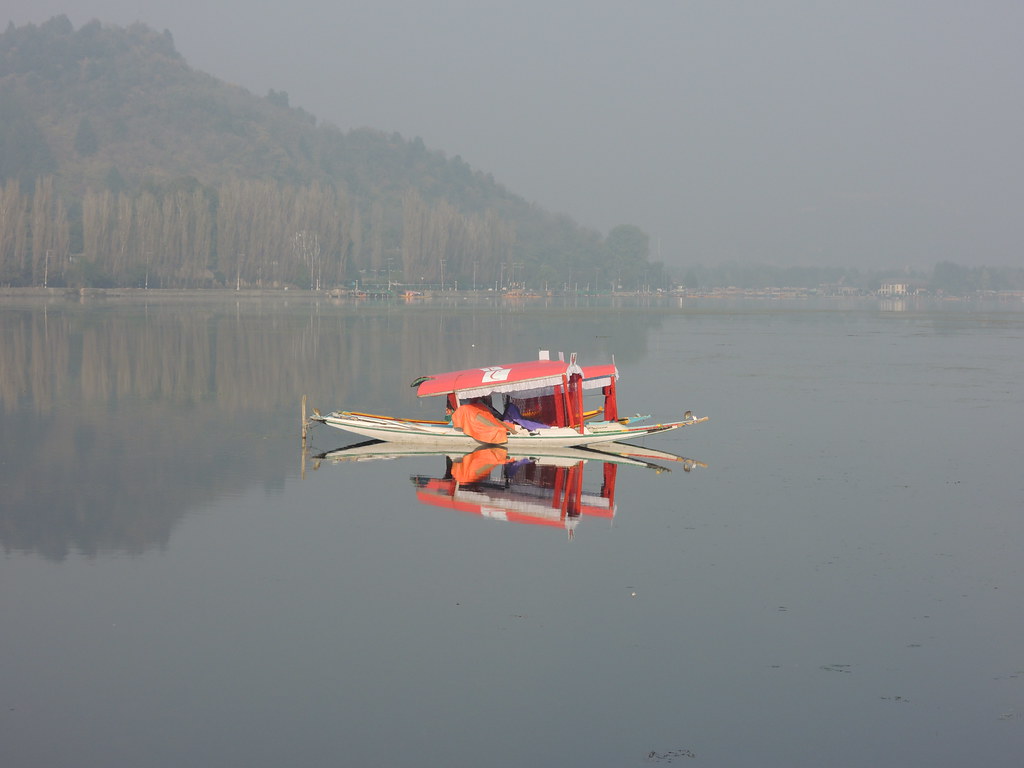
Jammu and Kashmir integral to India, as stated by Farooq Abdullah, emphasizes the region’s importance in national unity. Abdullah’s remarks come amid ongoing discussions about the region’s status.
Farooq Abdullah’s Position on Jammu and Kashmir
Farooq Abdullah, the former Chief Minister of Jammu and Kashmir, has reiterated his stance on the region’s status within India. Speaking at a recent event, Abdullah emphasized that Jammu and Kashmir remains an integral part of India, dismissing any notions of separatism or autonomy that have surfaced in political discussions.
During his address, he highlighted several key points:
- The historical ties that bind Jammu and Kashmir to India.
- The importance of unity among the people of the region.
- His commitment to advocating for the rights and welfare of residents within the framework of Indian sovereignty.
Abdullah’s remarks come at a time of heightened political sensitivity regarding the status of Jammu and Kashmir, reinforcing his belief that the integrity of the region is paramount for national stability.
Historical Context of Jammu and Kashmir
The historical context of Jammu and Kashmir is crucial in understanding its status within India. This region has seen a complex interplay of cultural, political, and territorial disputes over the decades. Since the partition of India in 1947, Jammu and Kashmir has been a focal point of conflict between India and Pakistan, leading to multiple wars and a long-standing military presence.
Historically, the region has been characterized by its diverse population, which includes various ethnic and religious groups. This diversity has contributed to its unique identity, making its status a sensitive issue.
Despite the challenges, leaders like Farooq Abdullah emphasize that Jammu and Kashmir remains an integral part of India. His recent statements reflect a commitment to preserving this integral relationship amid ongoing tensions.
Current Political Climate in India
The current political climate in India remains charged, particularly regarding issues surrounding Jammu and Kashmir. As various parties navigate the complexities of regional sentiments and national unity, the discourse around Jammu and Kashmir’s status continues to evolve.
Leaders from different political factions have expressed a range of opinions, often reflecting on the area’s historical significance and its role in India’s integrity. Key points include:
- Increased Tensions: Ongoing dialogues have heightened awareness of the region’s geopolitical importance.
- Public Sentiment: Citizens in Jammu and Kashmir express diverse views on their relationship with the central government.
- Political Alliances: The formation of new coalitions is shaping the future discussions on autonomy and integration.
Farooq Abdullah’s recent statements reinforce the notion that Jammu and Kashmir remains integral to India, emphasizing the need for unity amidst challenges.
Public Reactions to Abdullah’s Statement
Public reactions to Farooq Abdullah’s statement on Jammu and Kashmir being an integral part of India have been varied and passionate. Many supporters of Abdullah praised his clear stance, viewing it as a necessary affirmation of the region’s status within the country.
Conversely, some critics argue that his remarks may overlook the complexities of the local sentiment. Here are some of the prominent reactions:
- Supporters: “It’s about time someone stood up for our identity,” said a local activist.
- Critics: “This statement does not reflect the aspirations of many in the region,” commented a political analyst.
- Neutral Observers: Some experts emphasized the need for dialogue to address the concerns of all stakeholders.
Overall, the discourse surrounding Abdullah’s assertion continues to evoke strong emotions and varied perspectives.
Impact on Regional Stability
The statement made by Farooq Abdullah regarding Jammu and Kashmir being an integral part of India has significant implications for regional stability. Political analysts argue that his remarks could foster a sense of unity among various stakeholders in the region. This perspective is crucial, as it may help to ease tensions that have historically plagued Jammu and Kashmir.
Furthermore, Abdullah’s emphasis on the integral status of Jammu and Kashmir can potentially lead to renewed dialogue between different political factions. This dialogue is essential for addressing long-standing grievances and promoting peace.
However, challenges remain, as some groups may continue to oppose this narrative. The effectiveness of Abdullah’s statement will largely depend on the willingness of all parties to engage in constructive discussions aimed at fostering stability and cooperation in the region.
International Perspectives on Jammu and Kashmir
International reactions to the statement by Farooq Abdullah regarding Jammu and Kashmir being an integral part of India have varied significantly across different nations.
- Supportive Responses: Some countries, particularly allies of India, have reaffirmed their support for India’s stance on Jammu and Kashmir, emphasizing the importance of territorial integrity.
- Critical Perspectives: Conversely, nations with historical ties to Kashmir have criticized the statement, calling for a more nuanced approach to the region’s status.
- Call for Dialogue: Various international organizations have urged all parties involved to engage in peaceful dialogue, stressing the need for a resolution that respects the aspirations of the local population.
As the global community watches closely, the discourse surrounding Jammu and Kashmir continues to evolve, reflecting both regional and international dynamics.
Future of Jammu and Kashmir
The future of Jammu and Kashmir remains a topic of intense debate among political leaders and the public alike. Farooq Abdullah has reiterated that Jammu and Kashmir is an integral part of India, emphasizing the need for unity and peace in the region. His statement comes at a time when discussions surrounding autonomy and governance are at the forefront of political discourse.
Many believe that the path forward requires addressing the longstanding grievances of the local population while fostering a spirit of dialogue. Abdullah advocates for greater engagement with the youth and civil society to pave the way for a more inclusive future. Additionally, analysts suggest that a collaborative approach between various political factions could strengthen the integration of Jammu and Kashmir within the broader Indian framework, ensuring stability and prosperity for its residents.
Ultimately, the direction taken will significantly influence the region’s social and economic landscape.
Conclusion: The Importance of Unity
In conclusion, the statement made by Farooq Abdullah underscores the significance of unity in the discourse surrounding Jammu and Kashmir. His assertion that Jammu and Kashmir remains an integral part of India resonates deeply with the diverse sentiments of the region’s populace.
As the political landscape continues to evolve, it is essential for all stakeholders to recognize the importance of cohesion and dialogue. The ongoing discussions about Jammu and Kashmir are not just about territorial claims but also about the aspirations of its people. Acknowledging this complexity can promote a more stable and peaceful future.
By embracing a collective identity and fostering mutual respect among different communities, leaders can pave the way for reconciliation and prosperity in Jammu and Kashmir, ultimately contributing to the broader stability of the nation.
Farooq Abdullah emphasized that Jammu and Kashmir integral to India’s identity must be preserved and respected. He urged all stakeholders to recognize the significance of Jammu and Kashmir integral in fostering peace and unity in the region.
By BOMBMAN via Openverse
References
You might also like
INDIA Bloc Delhi Rally Faces Major Obstacles: A Clear Overview · Is Social Security Coverage the Best Solution for India? · BJP jibe at Rahul Gandhi: A Clear Mockery of Impeachment Move
