
 Samuel Adams
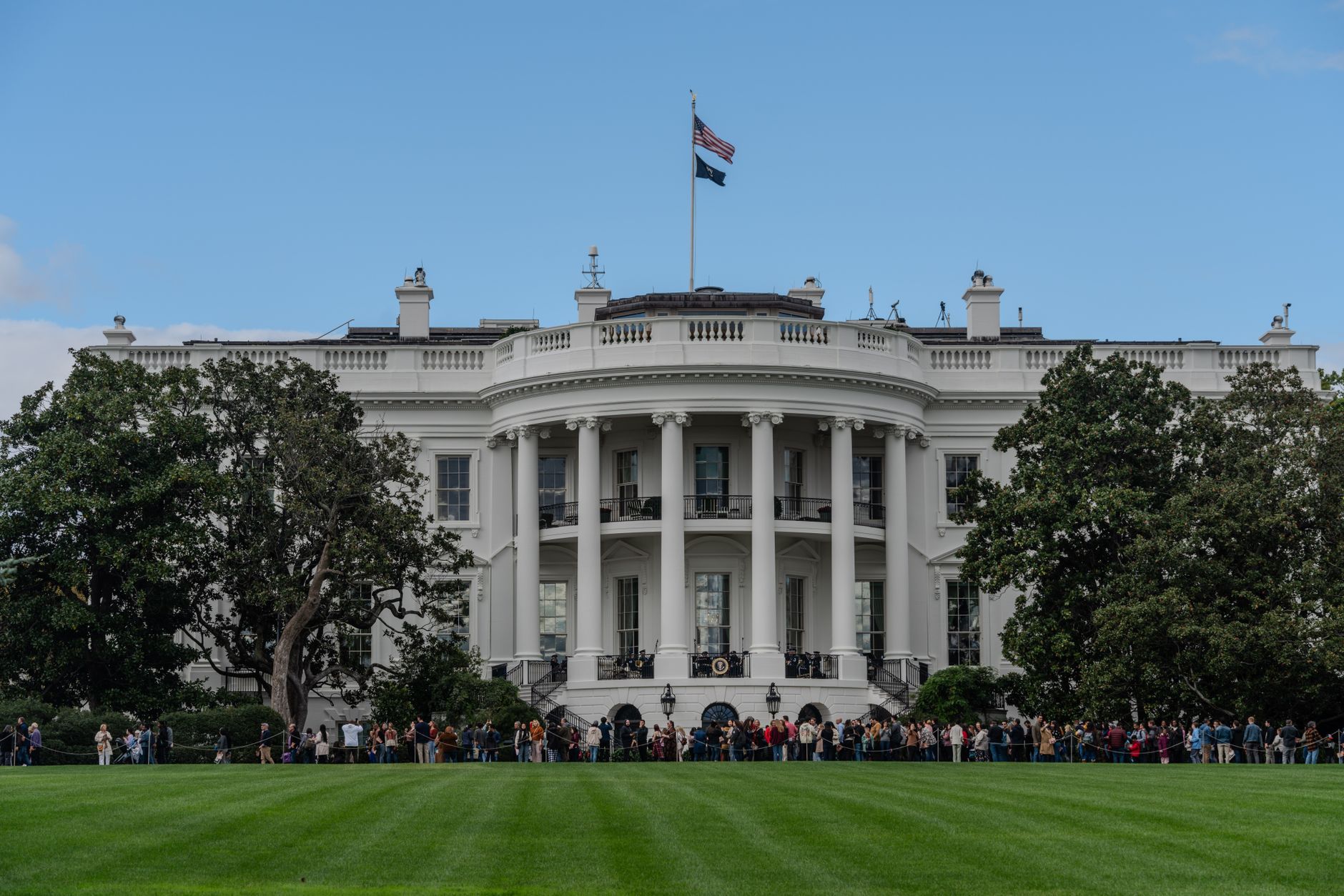
Next US president scenarios raise questions about potential hostility. The geopolitical landscape may shift dramatically depending on who takes office, with leaders like Netanyahu looking towards India for guidance.
Understanding the Current Political Climate
The political landscape in the United States is undergoing significant shifts as the nation approaches the next US president election. With rising tensions both domestically and internationally, candidates are increasingly adopting various strategies to appeal to voters. The question arises: is hostility an effective approach for the next US president?
In recent discussions, leaders have highlighted that aggressive rhetoric may not yield the desired outcomes, especially in an era where diplomacy is crucial. Observers note that a hostile stance could alienate potential allies and complicate international relations.
Key factors shaping the current political climate include:
- Economic Challenges: Issues like inflation and job security dominate voter concerns.
- Social Divisions: Polarization has reached unprecedented levels, making compromise difficult.
- Global Unrest: Ongoing conflicts and crises abroad demand careful navigation by any future leader.
Furthermore, some political analysts argue that the next US president must prioritize unity and constructive dialogue over confrontation. History shows that successful leaders often foster collaboration rather than hostility, which can lead to sustainable solutions.
As the election draws near, candidates will need to carefully consider their approaches to ensure they resonate with a diverse electorate eager for stability and progress.
Netanyahu’s Diplomatic Strategies
In the complex landscape of international diplomacy, Israeli Prime Minister Benjamin Netanyahu has been navigating the challenges posed by potential shifts in U.S. leadership. As the search for the next US president heats up, Netanyahu’s strategies reflect a deep understanding of global alliances and regional security concerns.
Netanyahu’s recent diplomatic initiatives have included:
- Strengthening Ties with India: Recognizing India as a key ally, Netanyahu has sought to bolster bilateral relations, emphasizing shared democratic values and mutual security interests.
- Engaging with Emerging Powers: By fostering connections with nations outside the traditional power structures, he aims to diversify Israel’s diplomatic support base.
- Utilizing Economic Partnerships: Netanyahu has focused on increasing trade relationships, which can serve as a leverage point in negotiations with the next US president.
In a world where America’s role in global politics could vary significantly with the election of the next US president, Netanyahu’s approach appears calculated and proactive. He has stressed the importance of maintaining strong bilateral relations that could withstand potential hostility from any future U.S. administration. As Netanyahu maneuvers through these diplomatic waters, the implications of his strategies could resonate beyond Israel, influencing the broader geopolitical landscape.
India’s Role in Global Politics
As the world anticipates the next US president, India’s growing influence in global politics cannot be overlooked. With its unique position as the world’s largest democracy and a rapidly expanding economy, India has become a crucial player in international relations.
One significant aspect of India’s role is its strategic partnerships, particularly with the United States. These relationships are built on shared democratic values and mutual interests, which have strengthened over the years. As the next US president navigates the complexities of global diplomacy, India’s support could be vital in addressing pressing issues such as climate change, economic stability, and regional security.
Moreover, India’s engagement in multilateral forums, such as the G20 and BRICS, showcases its commitment to fostering collaboration among nations. This involvement emphasizes the importance of dialogue over hostility, suggesting that cooperative approaches may yield more fruitful outcomes.
In addition, India’s ability to mediate conflicts in Asia and beyond positions it as a potential ally for the next US president. Challenges such as the tensions in the Indo-Pacific region and the ongoing crisis in Ukraine require a united front where India’s diplomatic efforts can complement American strategies.
Ultimately, as the world watches the unfolding political landscape, the next US president may find that embracing India’s role in global politics is essential for achieving broader diplomatic goals.
Possible Outcomes of Hostile Leadership
The potential for a hostile approach by the next US president raises significant questions about the implications for both domestic and international relations. A leadership style characterized by aggression might yield various outcomes, which can be categorized as follows:
- Increased Tensions with Allies: Diplomatic relationships could suffer, leading to a fracturing of longstanding alliances. Nations may become hesitant to support US initiatives, fearing backlash or repercussions.
- Heightened Hostility with Adversaries: A confrontational stance may escalate conflicts with countries viewed as adversaries, potentially leading to military confrontations or trade wars.
- Domestic Unrest: Hostile rhetoric could polarize the American public, increasing division among political parties and societal groups. This might result in civil unrest or a rise in domestic extremism.
- Impact on Global Trade: A hostile presidency may deter foreign investments and disrupt global trade agreements, adversely affecting the US economy and its standing in the global market.
- Regional Power Shifts: Other nations, like India, may seize the opportunity to enhance their influence on the world stage, potentially redefining global alliances in response to US policies.
Ultimately, the approach taken by the next US president could have far-reaching consequences, making it crucial to consider whether hostility is a viable long-term strategy for advancing national interests.
Historical Context of US-India Relations
The relationship between the United States and India has evolved significantly over the decades, shaped by a complex interplay of historical events, economic interests, and geopolitical strategies. As discussions about the next US president grow more pressing, understanding this relationship becomes crucial, particularly regarding potential hostility in foreign policy.
Initially, US-India relations were defined by mutual suspicion during the Cold War. India’s non-alignment policy and close ties with the Soviet Union led to a strained relationship with the United States. However, the end of the Cold War marked a turning point, allowing for increased collaboration in various sectors, including defense and technology.
In the 21st century, the relationship deepened considerably, driven by shared democratic values and mutual economic interests. Major agreements, such as the US-India Civil Nuclear Agreement in 2008, highlighted a commitment to strengthening ties. Moreover, India has emerged as a key partner in countering regional threats, including those posed by China.
As we consider the possible approaches of the next US president, it is essential to reflect on the historical context. A hostile approach could jeopardize decades of progress and cooperation, impacting not only bilateral relations but also regional stability in South Asia.
Ultimately, the path chosen by the next US president will significantly influence the future of US-India relations and their broader implications on global geopolitics.
Voter Sentiment Towards Foreign Policy
As the race to determine the next US president intensifies, voter sentiment towards foreign policy has emerged as a critical factor in shaping electoral outcomes. Many Americans are increasingly concerned about how the next leader will navigate complex international relationships, particularly in an era marked by rising global tensions.
Polling data indicates that voters prioritize foreign policy issues, including military strategy and diplomatic engagement. A significant portion of the electorate believes that a hostile approach could yield detrimental consequences, not just for international relations, but also for domestic stability. In particular, voters express unease about the potential for increased conflict and the impact it may have on national security.
Key concerns among voters include:
- Military Intervention: Many fear that a belligerent stance could lead to unnecessary military engagements.
- Diplomatic Isolation: There is apprehension that hostility could result in the US being sidelined in global negotiations.
- Economic Repercussions: Voters are wary of how aggressive foreign policies could affect trade relations and economic prosperity.
As candidates outline their visions for the future, it is clear that the approach to foreign policy will play a pivotal role in shaping voter perceptions. The next US president will need to balance assertiveness with diplomacy to address the anxieties of an increasingly globalized electorate.
Implications for Middle Eastern Alliances
The implications of the next US president adopting a hostile approach towards international relations could significantly impact Middle Eastern alliances. As the global political landscape evolves, the decisions made by Washington are closely observed by allies and adversaries alike.
Many Middle Eastern nations have historically relied on the United States for military support and economic aid. A shift to a more aggressive stance could strain these relationships. Key implications include:
- Increased Tensions: Hostility may lead to heightened tensions in already volatile regions, potentially destabilizing long-standing alliances.
- Realignment of Alliances: Countries like Saudi Arabia and the United Arab Emirates might seek closer ties with other global powers, such as China or Russia, if they feel abandoned by the US.
- Impact on Peace Processes: Initiatives aimed at resolving conflicts, like the Israeli-Palestinian peace process, could falter, leading to a resurgence of conflicts.
- Economic Repercussions: Economic relationships may suffer, particularly if trade deals are jeopardized by a more aggressive US stance.
As the next US president navigates these complex dynamics, understanding the potential ripple effects on Middle Eastern alliances will be critical. The ramifications of a hostile approach could reshape diplomatic relations and influence global stability for years to come.
Future Predictions for US Leadership
As the race for the next US president heats up, analysts are increasingly considering how the choice of leadership may shape international relations. The approach taken by the next US president could either foster cooperation or escalate tensions on the global stage.
Predictions about future leadership styles often hinge on current political sentiments and the evolving landscape of international diplomacy. Key factors influencing these predictions include:
- Domestic Political Climate: The next US president will need to navigate a polarized electorate, where voters are divided on foreign policy priorities.
- Global Alliances: Depending on the stance taken by the next US president, traditional alliances may be reinforced or weakened, impacting global stability.
- Economic Considerations: Economic factors, including trade and sanctions, will play a crucial role in shaping foreign policy decisions.
- Security Concerns: The international security landscape is continuously evolving, and the next US president will need to address these challenges effectively.
While some argue that a hostile approach may lead to immediate gains in certain areas, others caution that it could provoke long-term repercussions. Ultimately, the effectiveness of the next US president’s foreign policy will depend on their ability to balance assertiveness with diplomacy, ensuring the United States remains a leader on the world stage.
Photo by Chengxiang LIAO on Pexels
Where this came from
The Times of India · Next USA presidential election
You might also like
Trump speech analysis: The worst moments revealed · Pradosh Ranjan Paul: The Best Proven Run Machine in TN · 2025 Impact Report: Clear Insights from Charter Next Generation



Trump speech analysis: The worst moments revealed
Trump speech analysis reveals the worst moments from the recent address.