
 Samuel Adams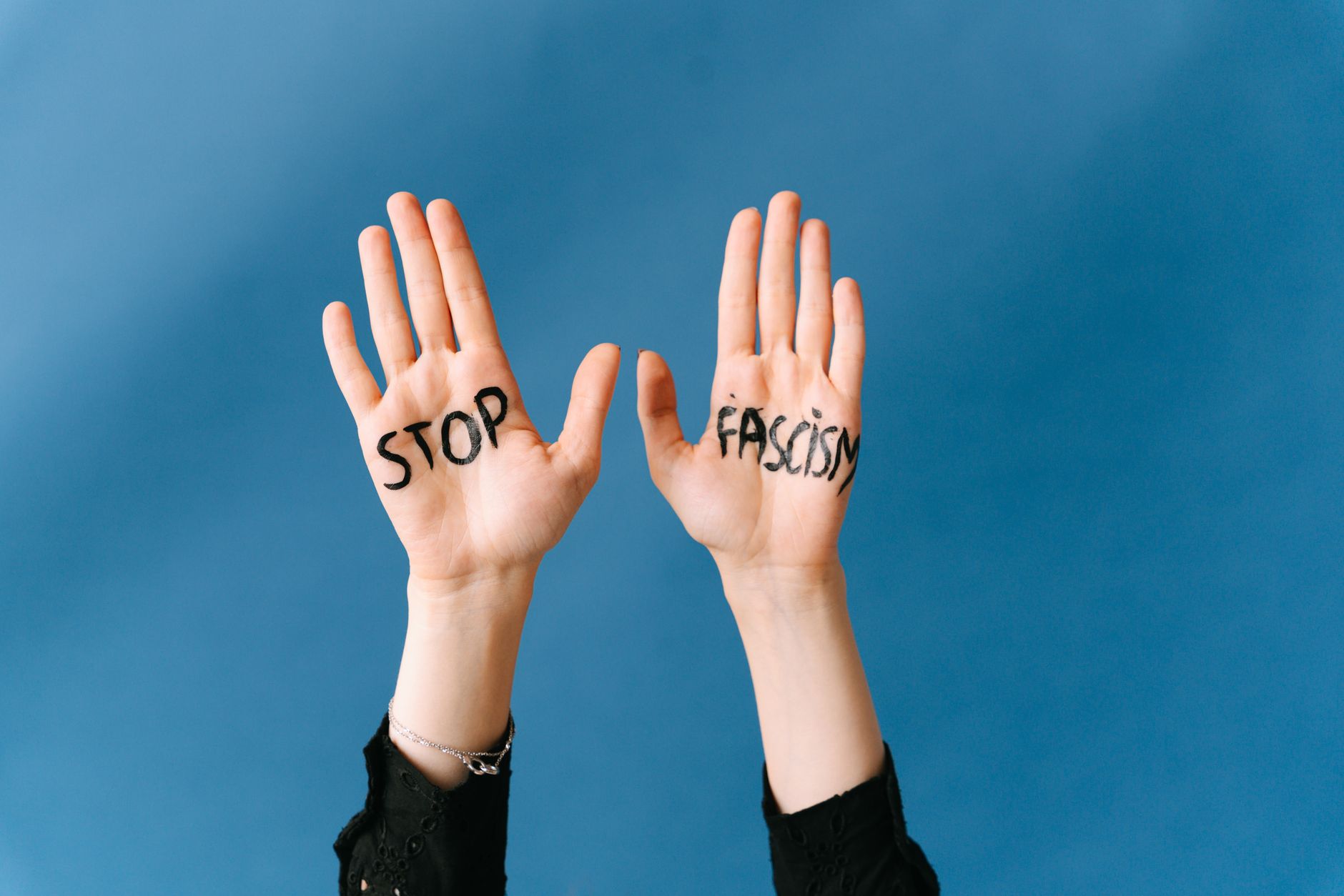
Opposition in India is currently under scrutiny as BJP chief Nabin echoes PM Modi’s recent remarks. This situation reflects a growing tension in the political landscape.
Current State of Opposition in India
The current state of opposition in India is marked by a series of challenges and criticisms, as various leaders grapple with their strategies in the political arena. Recent comments from BJP chief Nabin have drawn attention, particularly his analogy comparing the opposition to a “naraz fufa” (angry uncle), which reflects a growing sentiment within the ruling party regarding their rivals’ effectiveness.
In the wake of this commentary, several issues have arisen:
- Disunity among opposition parties: Fragmentation within the opposition has led to a lack of cohesive strategies, making it difficult for them to present a united front against the ruling government.
- Public perception: The opposition in India struggles to connect with grassroots voters, often seen as out of touch with common concerns.
- Electoral challenges: Recent elections have highlighted the need for the opposition to innovate and adapt their tactics to regain lost ground.
As the political landscape continues to evolve, the opposition in India must navigate these obstacles to remain relevant and effective in the eyes of the electorate.
BJP’s Response to Criticism
In response to ongoing criticism from the opposition in India, the Bharatiya Janata Party (BJP) has adopted various strategies aimed at countering dissent. BJP chief Nabin recently echoed Prime Minister Modi’s remarks, likening the opposition to a ‘naraz fufa’ or disgruntled uncle, suggesting that their complaints are rooted in personal grievances rather than genuine concern for the nation.
The party has emphasized its achievements and governance record as a counter-narrative to the opposition’s claims. Key tactics include:
- Highlighting Development Initiatives: The BJP often showcases infrastructure projects and economic growth as evidence of its successful governance.
- Framing Opposition as Divisive: By portraying the opposition as fragmented and lacking unity, the BJP seeks to diminish their credibility.
- Utilizing Social Media: The party effectively leverages social media platforms to disseminate its message and counter opposition narratives swiftly.
These strategies reflect the BJP’s commitment to maintaining its political dominance amid a challenging landscape of opposition in India.
Analyzing PM Modi’s Remarks
In a recent statement, Prime Minister Narendra Modi’s remarks have drawn significant attention as they reflect his perception of the opposition in India. Modi likened the current political adversaries to a “naraz fufa,” or an irritable uncle, suggesting that their grievances and criticisms are more emotional than substantive. This analogy aims to downplay the effectiveness of the opposition, portraying them as disconnected and incapable of presenting a cohesive challenge to the ruling party.
The BJP chief, Nabin, echoed this sentiment by emphasizing the need for the opposition to move beyond mere complaints and focus on constructive dialogue. Modi’s comments underline a strategy that seeks to delegitimize dissent by framing it as mere frustration rather than valid political discourse.
Critics argue that such tactics reveal a deeper issue within the BJP’s approach to governance, as silencing opposition can lead to a lack of accountability. The ongoing dynamics suggest a growing chasm between the ruling party and its critics, raising questions about the future of democratic engagement in India.
Political Strategies in India
The political landscape in India has become increasingly complex, with the opposition in India deploying a range of strategies to counter the ruling party. Among the most notable tactics are:
- Coalition Building: Various opposition parties are forming alliances to present a united front against the BJP, aiming to consolidate their voter base.
- Targeted Campaigning: The opposition has adopted data-driven approaches to identify key demographics and tailor messages that resonate with them.
- Public Mobilization: Through rallies and social media, the opposition seeks to engage grassroots supporters and amplify their concerns.
- Policy Critique: Focusing on failures of the ruling government, opposition parties are emphasizing issues like unemployment, inflation, and social justice.
However, these strategies are not without challenges. The BJP’s stronghold and its ability to communicate effectively with the electorate pose significant hurdles. As the political climate continues to evolve, the effectiveness of these opposition tactics remains to be seen.
Photo by Ivan S on Pexels
References
The New Indian Express · Opposition to the India–United States Civil Nuclear Agreement in India
Best Forex Trading Strategies for Consistent Growth and Smarter Market Entries · How to Volunteer Abroad on Your Next Gap Year: A Step-by-Step Guide · Sonic Casino: Top Slots, Table Games, and Live Casino Action


Trump speech analysis: The worst moments revealed
Trump speech analysis reveals the worst moments from the recent address.