
 Samuel Adams
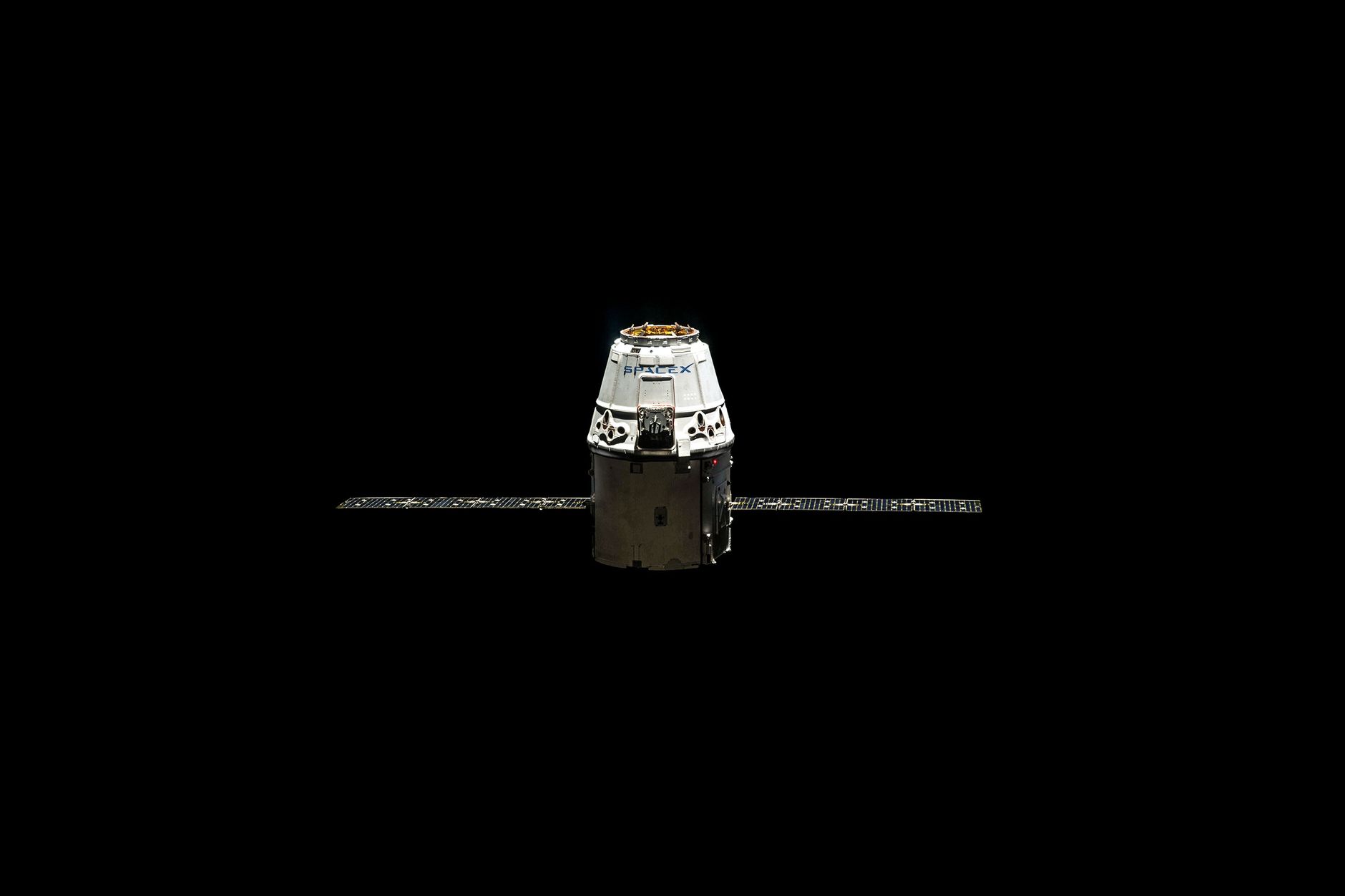
Starship spacecraft recovery is a pivotal moment for SpaceX as it prepares for its first attempt to recover the spacecraft on land during its 15th flight.
Overview of Starship’s 15th Flight
SpaceX is gearing up for a significant milestone with the upcoming 15th flight of its Starship spacecraft. This mission marks a pivotal moment as it will be the first attempt to recover the Starship on land, a crucial development in the company’s ongoing efforts to refine spacecraft recovery processes. The focus on recovery is vital, as successful land-based retrieval of the spacecraft will demonstrate the viability of reusing components, which is essential for reducing the costs of space travel.
During this flight, SpaceX aims to test various systems and procedures that have been developed to ensure a smooth landing. The Starship is designed to withstand the intense conditions of re-entry, and engineers are optimistic about the spacecraft’s performance during this critical phase.
In preparation for the flight, SpaceX has implemented several enhancements based on data gathered from previous missions. The following aspects are particularly noteworthy:
- Advanced navigation systems for improved landing accuracy.
- Robust thermal protection to safeguard against extreme heat upon re-entry.
- Refined landing gear to facilitate a safe touchdown on solid ground.
With these enhancements, the Starship spacecraft recovery could set a new standard for future missions.
Significance of Land Recovery for SpaceX
The significance of land recovery for SpaceX cannot be overstated, particularly in the context of the recent Starship spacecraft recovery efforts. Successfully landing and recovering the Starship on solid ground represents a pivotal moment in the evolution of space travel.
First and foremost, land recovery enhances the overall sustainability of space missions. By reusing spacecraft, SpaceX can significantly reduce costs associated with launching new vehicles. This not only benefits the company financially but also allows for more frequent missions, which can accelerate advancements in space exploration.
Moreover, land recovery provides a controlled environment for spacecraft retrieval. Unlike ocean recoveries, which can be fraught with unpredictability due to weather and sea conditions, land recovery minimizes these risks. This reliability is essential for planning future missions and ensuring the safety of both the vehicle and its crew.
Additionally, successful land recovery could bolster public confidence in space technology. As SpaceX demonstrates that its spacecraft can be recovered effectively and efficiently, it paves the way for broader acceptance of commercial space travel.
- Cost reduction through reusability
- Enhanced safety and reliability
- Increased public confidence in space exploration
Starship spacecraft recovery Challenges Ahead
The journey towards successful Starship spacecraft recovery presents several challenges that SpaceX must navigate. With the recent advancements in technology, the company’s 15th flight has marked a pivotal moment in their quest for land recovery. However, this ambitious goal is not without its obstacles.
- Technical Complexities: The integration of various systems in the Starship design poses technical challenges. Ensuring that all components work seamlessly during descent and landing is crucial for a successful recovery.
- Environmental Factors: The unpredictable nature of weather conditions can greatly impact the recovery process. High winds, precipitation, and temperature fluctuations are all factors that could jeopardize the mission.
- Safety Protocols: Maintaining safety for both the crew and the public is paramount. SpaceX must implement rigorous safety measures to mitigate risks during the recovery phase.
- Regulatory Approvals: Securing the necessary approvals from aviation and space agencies can be a time-consuming process, often posing delays that hinder progress toward a successful recovery.
Despite these challenges, SpaceX remains determined to refine its strategies and develop a robust method for Starship spacecraft recovery on land, setting the stage for future missions and innovations in space travel.
Future Implications for Space Exploration
The recovery of the Starship spacecraft represents a pivotal advancement in the realm of space exploration. Successfully implementing the Starship spacecraft recovery method can drastically reduce costs associated with launching missions. This efficiency not only benefits SpaceX but also paves the way for other agencies and private companies to engage in more ambitious projects.
As reusable technology evolves, we may witness a shift in how space missions are planned and executed. The ability to recover spacecraft on land could lead to:
- Increased Launch Frequencies: With recovered spacecraft, launches can occur more frequently, enabling ongoing research and exploration.
- Enhanced Sustainability: Reduced waste from discarded rockets promotes a sustainable approach to space travel.
- Broader Participation: Lower costs may invite more players into the aerospace sector, fostering innovation and collaboration.
- Long-Duration Missions: Reusable spacecraft can support longer missions to distant destinations such as Mars or beyond.
Ultimately, the successful recovery of the Starship spacecraft will not only validate SpaceX’s vision but also inspire future generations of explorers to push the boundaries of humanity’s reach into the cosmos.
For successful Starship spacecraft recovery, engineers have identified techniques that minimize risks during landing. Implementing these best practices can ensure that Starship spacecraft recovery becomes more efficient and reliable.
Photo by Pixabay on Pexels