
 Samuel Adams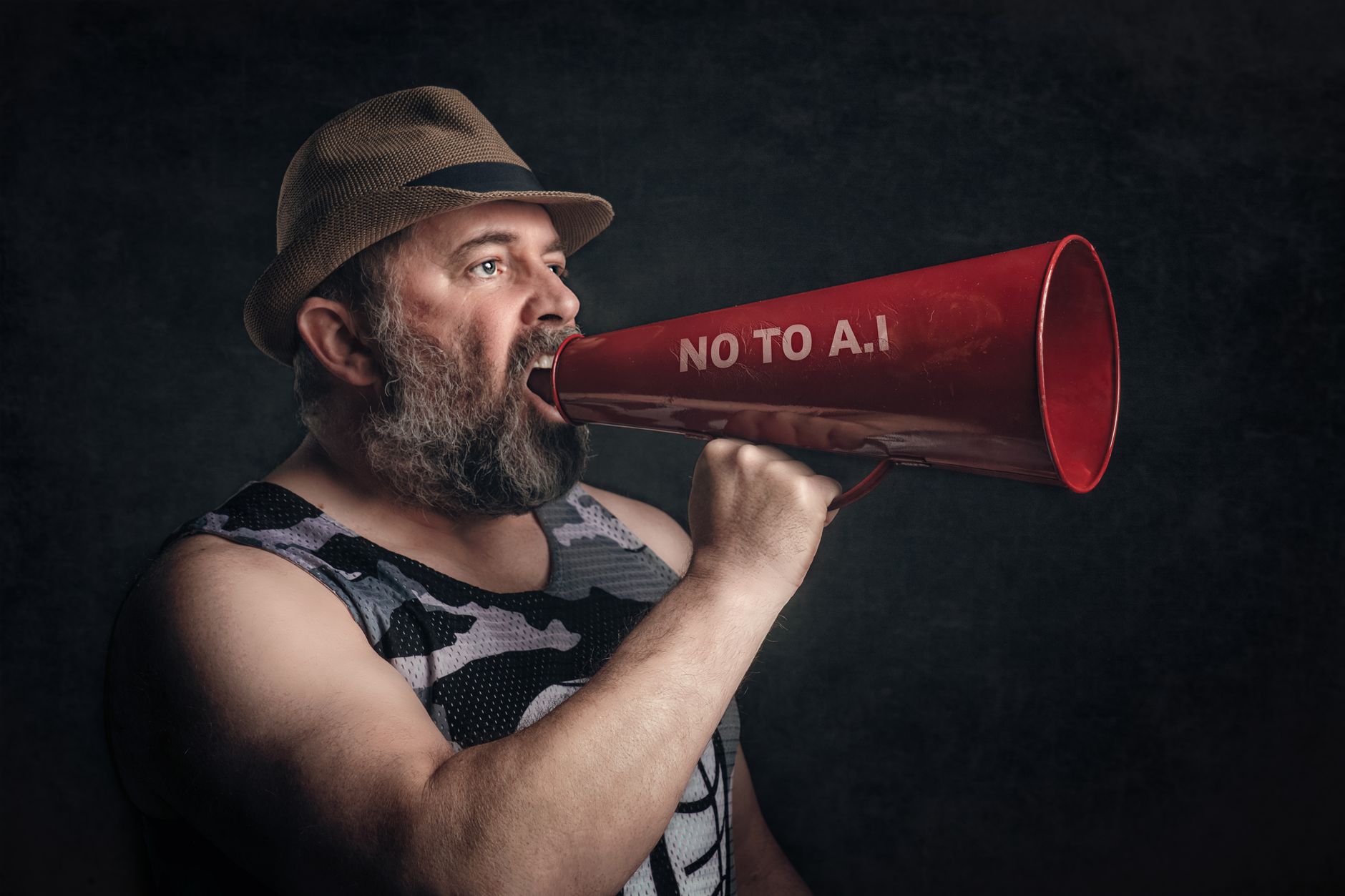
Trump AI enemy highlights the former president’s stance on artificial intelligence. In a recent statement, he declared that anyone saying AI is ‘THE ENEMY!’—while the White House employs it.
Trump’s stance on AI
In a recent statement, former President Donald Trump expressed his concerns regarding artificial intelligence, labeling it as a potential adversary. He emphasized that anyone declaring “AI” as “THE ENEMY!” should be taken seriously, highlighting the need for caution as technology rapidly evolves. Trump’s remarks come at a time when AI is increasingly integrated into various sectors, including politics, economics, and daily life.
Despite his apprehensions, Trump acknowledged the benefits that AI can bring to society when used correctly. He pointed out that the White House itself utilizes AI technologies to enhance efficiency and improve services. This duality in his perspective raises questions about whether he views AI as a Trump AI enemy or as a tool that can be harnessed for progress.
Trump’s statements have sparked a debate among experts and the public alike regarding the implications of AI advancement. Some argue that his fears are justified, considering the potential for job displacement and ethical concerns surrounding AI decision-making. Others believe that Trump’s approach reflects a misunderstanding of the technology, suggesting that with proper regulation and oversight, AI can be a transformative asset rather than a threat.
- Concerns about job displacement
- Ethical implications of AI decisions
- Potential for innovation and growth
The White House’s use of AI
The use of artificial intelligence (AI) has increasingly become a focal point in discussions surrounding technology and governance, especially in the context of the Trump administration. As the former president labeled AI as “THE ENEMY,” concerns have arisen about its implications for national security and economic stability.
However, the White House has also recognized the potential benefits of AI, utilizing it to enhance governmental efficiency and public services. In recent months, initiatives have been launched to integrate AI technologies in various sectors:
- Healthcare: AI tools are being deployed to streamline patient data management and improve diagnostic accuracy.
- Public Safety: Machine learning algorithms are assisting law enforcement in predictive policing and resource allocation.
- Environmental Monitoring: AI is aiding in climate research and disaster response efforts.
This duality presents a paradox for policymakers: while Trump’s rhetoric paints AI as a potential enemy, the administration’s actions suggest a pragmatic approach to harnessing its capabilities. The debate continues as to whether the Trump AI enemy narrative overshadows the real opportunities AI presents for innovation and efficiency within government.
Public reaction to Trump’s comments
Public reaction to Trump’s comments regarding AI has been mixed, with many weighing in on the implications of labeling technology as an “enemy.” Some supporters of the former president agree with his perspective, viewing AI as a potential threat to jobs and security. They believe that by dubbing AI as an “enemy,” Trump is emphasizing the need for cautious regulation and oversight.
On the other hand, critics argue that this rhetoric may stifle innovation and mislead the public about the benefits AI can offer. Experts in technology and ethics have warned against framing AI in such a negative light, suggesting that it could hinder important discussions on how to effectively harness AI for societal good.
Social media platforms have seen heated debates, with users sharing a variety of opinions. Some have expressed concern that viewing AI as a Trump AI enemy might lead to unnecessary fear, while others feel that the former president is simply acknowledging genuine risks associated with rapid technological advancements.
- Supporters call for regulation and caution.
- Critics emphasize the importance of innovation.
- Social media debates reveal a divide in public sentiment.
Ultimately, how society interprets Trump’s comments could significantly influence the future discourse surrounding artificial intelligence.
Understanding AI technology
Artificial Intelligence (AI) has rapidly evolved into a pivotal technology in today’s digital landscape. Understanding its complexities is essential, especially when political figures like Donald Trump label it a potential adversary. AI encompasses a broad range of systems, from simple algorithms to sophisticated machine learning frameworks capable of analyzing vast amounts of data.
At its core, AI operates by mimicking human cognitive functions, enabling machines to learn from experience, adapt to new inputs, and perform tasks that typically require human intelligence. This includes capabilities such as:
- Natural Language Processing: Allowing computers to understand and respond to human language.
- Computer Vision: Enabling machines to interpret and make decisions based on visual data.
- Predictive Analytics: Helping businesses anticipate trends and behaviors by analyzing historical data.
Despite the significant benefits of AI, concerns arise regarding potential misuse and ethical implications. Critics argue that, while AI can enhance efficiency and innovation, it can also pose risks if left unchecked. Trump’s characterization of AI as “THE ENEMY!” reflects a growing apprehension among some leaders about its implications. As society grapples with these realities, it is crucial to discern between viewing AI as a potential enemy and recognizing it as a valuable tool for progress.
Political implications of AI
The rise of artificial intelligence (AI) has sparked a myriad of political discussions, especially regarding the implications it has on the current political landscape. With figures like former President Trump labeling AI as a potential adversary, the narrative surrounding this technology is rapidly evolving. The term “Trump AI enemy” has emerged as a focal point for debates about whether AI is a threat to democracy or a beneficial tool that can enhance governmental processes.
Political experts suggest that the anxiety surrounding AI stems from its capacity to influence public opinion and election outcomes. As AI technology becomes more sophisticated, its ability to generate deepfakes and manipulate information poses significant challenges for political integrity. Many fear that adversarial uses of AI could lead to misinformation campaigns that undermine trust in democratic institutions.
Moreover, the implementation of AI in political campaigns has become increasingly prevalent. Candidates are leveraging AI tools for data analysis and targeted messaging, raising ethical questions about privacy and consent. The potential for AI to enhance political engagement is significant, yet it is vital for policymakers to address the associated risks and ensure that its use aligns with democratic values.
In this climate, the discourse surrounding the “Trump AI enemy” may serve as a catalyst for more comprehensive regulations governing AI in politics.
AI in modern governance
As artificial intelligence continues to evolve, its integration into modern governance has become a focal point of debate among political leaders and citizens alike. The use of AI technologies in decision-making processes presents both opportunities and challenges, making it a significant topic in the context of Trump’s recent remarks about AI being “THE ENEMY!”
Proponents argue that AI can enhance governmental efficiency, improve public services, and provide valuable insights for policy development. For instance, AI can analyze vast amounts of data to identify trends and inform strategies related to public health, infrastructure, and economic growth. By harnessing these tools, governments can potentially respond more effectively to citizens’ needs.
However, critics express concerns over the implications of relying on AI in governance. They highlight issues such as bias in algorithms, privacy violations, and the potential loss of jobs as automation increases. Trump’s characterization of AI as an enemy resonates with those who fear that these technologies could undermine democratic processes or exacerbate existing inequalities.
Ultimately, the conversation around AI in governance is not just about its capabilities but also about establishing ethical frameworks to ensure that it serves the public good, rather than becoming a tool of division. The dialogue surrounding Trump’s AI enemy statement underscores the need for a balanced approach to integrating AI into governance.
Comparing global attitudes towards AI
As discussions about artificial intelligence (AI) continue to evolve, global attitudes towards this technology reveal a complex landscape. Different countries are grappling with the implications of AI in varied ways, often influenced by political contexts, economic needs, and cultural perceptions.
In the United States, sentiments about AI are often polarized. Some view AI as a potential enemy, as echoed by Trump’s assertion that “AI is THE ENEMY!” This reflects a broader anxiety concerning job displacement and national security. Conversely, many Americans perceive AI as a powerful tool that could drive innovation and solve pressing issues.
In contrast, countries like China and Germany approach AI with a more unified vision. China invests heavily in AI, positioning itself as a global leader, while Germany emphasizes ethical frameworks to guide AI development. This divergence highlights how national interests shape AI narratives.
Furthermore, in emerging economies, AI is often seen as a gateway to development. Countries in Africa, for example, are exploring AI applications for agriculture and healthcare, viewing it as an ally rather than an enemy.
Ultimately, the debate surrounding Trump’s characterization of AI as an enemy reflects deeper societal fears and aspirations, making it crucial to consider the multifaceted perspectives on this transformative technology.
The future of AI in politics
The future of AI in politics is rapidly evolving, bringing both opportunities and challenges. As the debate continues, many are left wondering: is Trump’s characterization of AI as an enemy valid, or can it be seen as a smart tool for governance?
In the coming years, AI is expected to play an increasingly prominent role in political campaigns, policy-making, and public engagement. Candidates are already leveraging AI technologies to analyze voter data and optimize their outreach efforts. This shift might lead to more personalized political messages, but it also raises ethical questions about privacy and manipulation.
Moreover, AI’s potential to influence public opinion poses a significant concern. Misinformation spread through AI-generated content can destabilize democratic processes. As seen in recent elections, the speed and scale at which AI can operate may amplify partisan divides and misinformation, making it essential for political leaders to address these challenges proactively.
While Trump’s comments suggest a fear of AI as a looming threat, experts argue that understanding and regulating this technology might provide benefits rather than harm. By integrating AI responsibly into the political landscape, leaders can harness its capabilities for good, rather than viewing it solely as a foe. The dialogue surrounding Trump AI enemy should focus on balancing innovation with ethical considerations as we navigate this uncharted territory.
The rise of the Trump AI enemy has sparked debates about its potential to influence public opinion. Critics argue that the Trump AI enemy could be weaponized to spread misinformation and manipulate voters.
Photo by Murry Lee on Pexels
Read the original
You might also like
Stock Market Today: Worst Slide in Dow After Trump Remarks · Dow futures slide: Worst market reaction to rising yields · European Society of Cardiology Congress: What Are the Best Insights?