
 Samuel Adams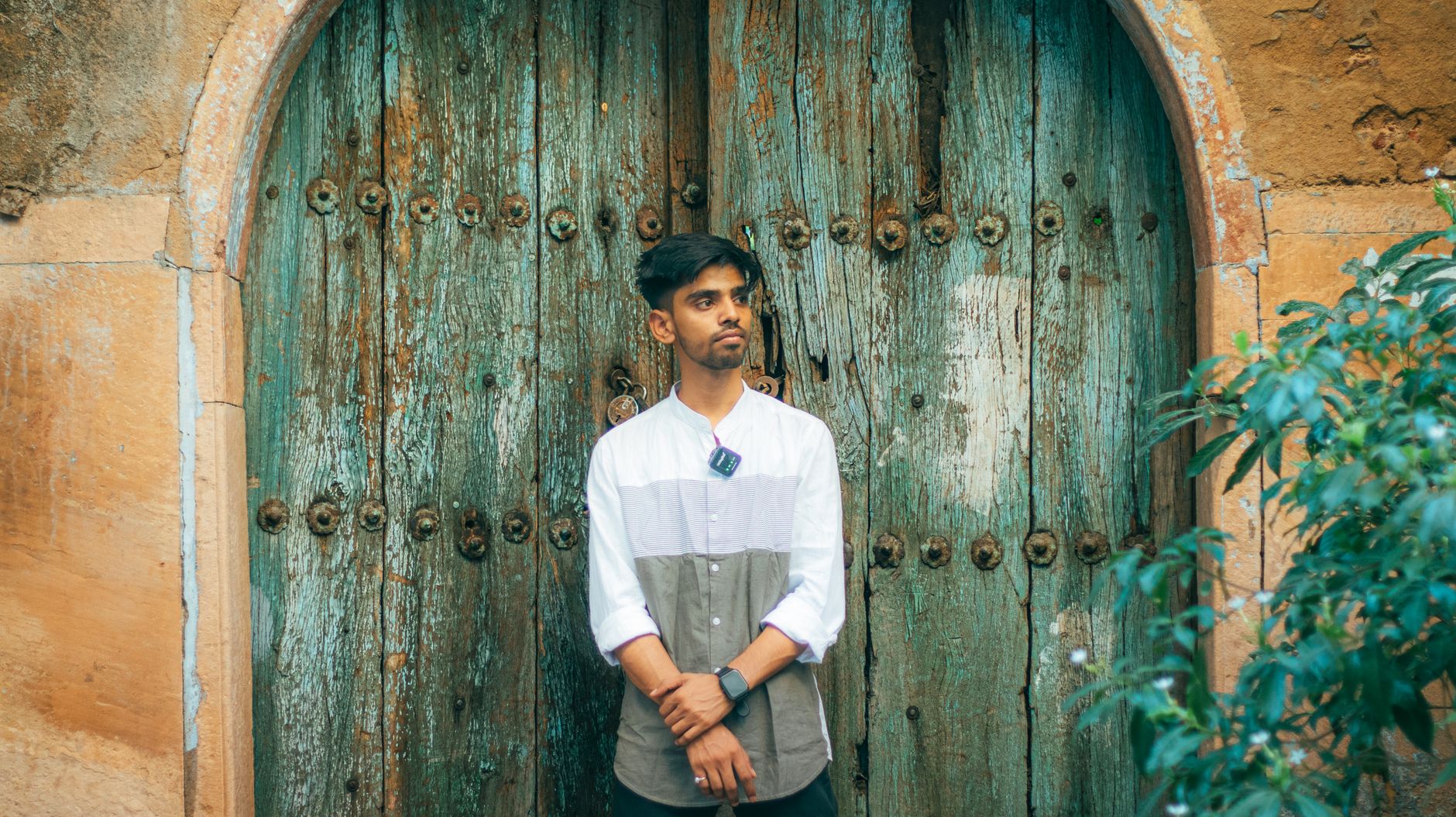
Young rich in India are increasingly alarming elders with their lifestyle choices, creating a generational divide that raises concerns about values and traditions.
Understanding the Young Rich Phenomenon
The emergence of a new class of affluent individuals, often referred to as the young rich in India, has sparked a wave of concern among older generations. This demographic, primarily consisting of entrepreneurs, tech innovators, and heirs to family fortunes, has rapidly accumulated wealth, reshaping the economic landscape.
Many elders express their apprehensions for several reasons:
- Value Systems: There is a fear that the young rich prioritize wealth accumulation over traditional values, leading to a disconnect with cultural roots.
- Spending Habits: Lavish lifestyles, highlighted by extravagant purchases and ostentatious displays of wealth, are seen as irresponsible by older generations.
- Work Ethic: The shift from conventional career paths to entrepreneurial ventures raises questions about dedication and perseverance in the workforce.
- Social Responsibilities: Elders worry that the young rich may neglect social issues, focusing primarily on personal gain rather than contributing to community welfare.
As these concerns grow, dialogues between generations are becoming increasingly important. The young rich in India must navigate their newfound wealth while considering the values and lessons imparted by their elders. Building bridges between these two worlds may pave the way for a more harmonious future.
The Impact on Family Dynamics
The emergence of a new generation of wealth has significantly altered family dynamics in India. The young rich in India, often characterized by their entrepreneurial spirit and innovative ventures, are redefining traditional roles within families. This shift has led to both admiration and concern among older generations.
Many elders express worries regarding the younger members’ approach to wealth management and lifestyle choices. They fear that the values of hard work and moderation may be overshadowed by a culture of instant gratification and excess. Some of the primary concerns include:
- Changing Values: The young rich often prioritize personal success and material wealth over familial responsibilities, leading to a sense of disconnection.
- Decision-Making: Elders worry that the rapid rise of wealth may lead to impulsive financial decisions, potentially jeopardizing family legacies.
- Work-Life Balance: The younger generation’s relentless pursuit of success can strain family relationships, as professional commitments often take precedence over family time.
- Social Responsibility: There are concerns that the young rich may not feel a strong obligation to give back to the community, unlike previous generations who prioritized philanthropy.
As the younger generation continues to navigate their unique path, fostering open dialogue between ages may prove essential in bridging the gap and addressing these concerns.
Elders’ Concerns Explained
The growing presence of young rich individuals in India has sparked a wave of concern among the older generations. Elders often feel a disconnect with the lifestyles and values of these affluent youth, leading to discussions about the implications for family and society.
One primary concern is the shift in priorities. Many elders believe that the young rich prioritize wealth accumulation over traditional values such as community and family bonds. This shift can result in a perceived erosion of cultural norms that have long defined Indian society.
Additionally, the pursuit of instant gratification is alarming for many parents and grandparents. They see the young rich indulging in lavish lifestyles, which often includes expensive cars, luxury vacations, and high-end parties. This emphasis on materialism raises questions about the long-term sustainability of their wealth and the values that will be passed down.
Concerns also extend to career choices. Elders often worry that young rich individuals are opting for careers that prioritize entrepreneurship and innovation, potentially abandoning more stable, traditional professions. They fear this could lead to a generation that is less grounded and more risk-prone.
Ultimately, the elders’ concerns about the young rich in India reflect a deeper anxiety about the changing social fabric and the future direction of familial and cultural ties.
Cultural Shifts in India
In recent years, India has witnessed a significant cultural shift, particularly concerning the young rich in India. This demographic, characterized by their wealth and influence, has begun to redefine traditional values and lifestyles, often to the concern of older generations. As these young individuals embrace modernity, they tend to prioritize personal ambition and success over familial obligations and communal ties.
One notable aspect of this cultural evolution is the rise of individualism. Young wealthy individuals often pursue careers driven by passion rather than adhering to family expectations or traditional roles. This shift has led to a divergence in priorities, where personal achievements are celebrated, sometimes at the expense of family cohesion.
Moreover, the advent of technology and social media has further accelerated these changes. Young rich individuals frequently showcase their lifestyles online, which can create a perception gap between generations. Elders may feel alienated or disconnected from the values and habits of the younger affluent class.
In addition, the increasing globalization of culture has introduced new ideas and practices that challenge long-standing traditions. As the young rich in India adopt these influences, elders express concern about the erosion of cultural heritage, fearing that the essence of familial bonds may be lost in the pursuit of personal wealth and success.
Wealth Disparities and Their Effects
The emergence of a young rich class in India has led to significant wealth disparities that are becoming increasingly pronounced. As this new generation amasses wealth at an unprecedented rate, the divide between them and their elders becomes more pronounced, raising various concerns.
Firstly, the stark contrast in lifestyles creates tension within families. Elders often view the spending habits of the young rich as extravagant and irresponsible. This perceived disconnect fosters a sense of resentment, as traditional values of frugality and hard work clash with the more lavish lifestyle embraced by the affluent youth.
Moreover, these disparities have social implications that extend beyond individual families. Communities are witnessing a growing divide between the wealthy and the less fortunate, leading to feelings of envy and discontent among those left behind. Such societal rifts can create instability, as the young rich navigate their privilege while others struggle to make ends meet.
The elders’ concerns are not unfounded; they worry that the young rich in India may lack the experience and understanding necessary to manage their wealth responsibly. As they venture into businesses or investments without the guidance of seasoned professionals, the potential for financial missteps increases.
Ultimately, addressing these wealth disparities is essential for fostering a more cohesive society, allowing both the young rich and their elders to coexist harmoniously.
Future of Indian Society
The future of Indian society is increasingly shaped by the emergence of the young rich in India, whose rapid ascent in wealth and influence has sparked a mix of admiration and concern among older generations. As this new class of affluent youth continues to redefine success, traditional values and social structures are being challenged. Elders worry that the priorities and lifestyles of the young rich diverge significantly from those of previous generations.
One significant concern is the shift in career aspirations. Many young individuals are drawn to entrepreneurship and technology, often opting for less conventional paths rather than the stable, long-standing professions valued by their parents. This drive for innovation and risk-taking can lead to economic dynamism but may also result in instability.
Moreover, the young rich tend to emphasize personal freedom and individualism, which can clash with the collectivist ideals that have historically characterized Indian society. Elders fear that this focus on personal gain may undermine family bonds and community support systems.
Additionally, the wealth disparities exacerbated by this phenomenon can lead to social tensions. As the young rich accumulate resources at an unprecedented rate, the gap between different socio-economic classes continues to widen, raising questions about equity and access to opportunities.
As these dynamics unfold, the future of Indian society will likely hinge on how the young rich navigate their roles and responsibilities within a rapidly changing landscape.
The emergence of the young rich in India has sparked a wave of concern among the older generation regarding financial responsibility. Many elders fear that the young rich in India may prioritize wealth over traditional values and community ties.
Photo by Shantanu Kumar on Pexels
Sources
Aasif Khan Zeba reaction: The Honest Truth Behind Viral Hug · Baker charter schools: What’s the right way to handle audits? · Stock Market Today: Best Quick Insights on Dow and Oil Prices