 Samuel Adams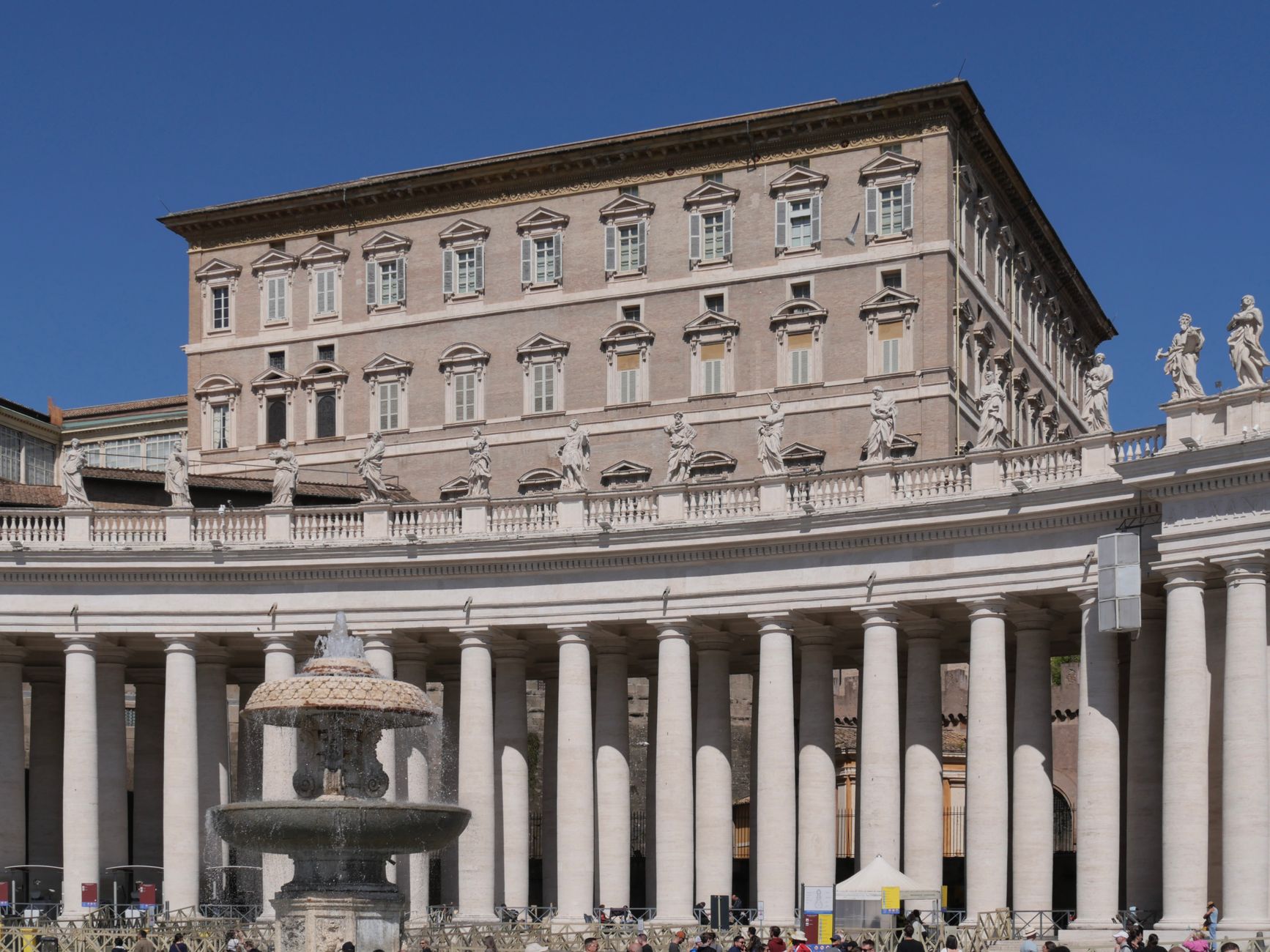
Pope speaks to Putin during a recent hospital visit, expressing his deep concern over the ongoing conflict in Ukraine. This unexpected dialogue raises questions about potential paths to peace.
Background on the Pope’s health
As the world watches the ongoing conflict in Ukraine, the recent meeting between the Pope and Putin has drawn significant attention. The Pope speaks to Putin from his hospital room, raising questions not only about the diplomatic implications but also about the health of the Pontiff himself.
The Pope, who has faced various health challenges in recent years, underwent surgery earlier this year. His recovery process has been closely monitored, and this remote dialogue marks a notable effort to maintain engagement with global leaders despite his condition.
Key factors regarding the Pope’s health include:
- Age: At 86 years old, the Pope’s age has naturally led to increased scrutiny of his health.
- Recent Surgery: Following a successful intestinal surgery, the Pope has been recuperating while continuing to fulfill his duties as much as possible.
- Commitment to Peace: His determination to address pressing global issues, such as the war in Ukraine, demonstrates his commitment to peace even in challenging times.
This meeting is a testament to the Pope’s unwavering dedication, showing that even from a hospital bed, he seeks to influence the conversation around peace and reconciliation.
Putin’s response to the Pope
In response to the Pope’s recent remarks, President Vladimir Putin expressed a mixture of appreciation and skepticism regarding the Vatican’s stance on the ongoing conflict in Ukraine. During a brief conversation, the Pope speaks to Putin, urging for dialogue and peaceful resolutions to the crisis that has claimed countless lives and displaced millions.
Putin acknowledged the Pope’s concerns, stating that Russia has always been open to negotiations. However, he emphasized that the West’s actions have complicated peace efforts, suggesting that external influences are undermining Russia’s position. The President highlighted the necessity of understanding the historical context of Ukraine’s relationship with Russia, arguing that this perspective is crucial for any meaningful dialogue.
Additionally, Putin reiterated his commitment to protecting Russian-speaking populations in Ukraine, framing military actions as defensive rather than aggressive. He called for a balanced approach, one that considers the interests of all parties involved.
As the world watches, the ongoing exchange between these two influential leaders raises questions about the potential for diplomacy in resolving the conflict and whether the Pope’s message can genuinely resonate with the Kremlin.
Implications for Ukraine
The recent conversation between the Pope and Putin holds significant implications for the ongoing conflict in Ukraine. As the Pope speaks to Putin from his hospital bed, his concerns about the humanitarian crisis in Ukraine resonate strongly with many around the world. The Pontiff’s call for peace emphasizes the moral responsibility of global leaders to address the suffering of civilians caught in the crossfire.
Experts believe that such dialogues can pave the way for potential resolutions. They suggest that:
- Increased Dialogue: Continuous communication between the Vatican and the Kremlin may foster a more constructive approach to negotiations.
- Crisis Awareness: The Pope’s involvement could heighten international awareness of the humanitarian needs in Ukraine, prompting greater support from other nations.
- Moral Pressure: By publicly addressing the situation, the Pope places moral pressure on Putin to consider the impact of his actions on innocent lives.
While the effectiveness of this approach remains to be seen, the Pope’s willingness to engage directly with Putin demonstrates a commitment to seeking peace amid turmoil. As the situation evolves, many will be watching closely to see if this dialogue translates into tangible efforts for resolution.
Public reactions to the meeting
The recent meeting between the Pope and Putin has sparked a variety of public reactions, reflecting the complexity of the situation surrounding the ongoing conflict in Ukraine. Many individuals and organizations have expressed their views on the significance of the Pope’s intervention.
- Support for Dialogue: Some believe that the Pope speaks to Putin in an effort to foster dialogue and peace. Supporters argue that religious leaders have a unique role in promoting reconciliation and understanding.
- Criticism of the Approach: Conversely, others criticize the Pope’s approach, suggesting that speaking to a leader like Putin may be perceived as legitimizing aggressive actions in Ukraine. They worry that it could undermine the moral authority of the Church.
- Calls for Action: Various activists and humanitarian groups have called for more than just dialogue, urging the Pope to take a stronger stance against the violence and advocate for immediate humanitarian assistance for victims of the conflict.
- Mixed Reactions from the Faithful: Among the faithful, opinions are divided; some feel hopeful that the Pope’s influence could lead to a breakthrough, while others remain skeptical about the effectiveness of such discussions.
Pope speaks to Putin, emphasizing the need for dialogue and understanding in the pursuit of global peace. Many are now questioning whether this approach will yield tangible results in the ongoing conflict.
Photo by Dirk Pothen on Pexels
References
Is Anti-Indian Racism the Worst Problem in Australia? · Tamannaah Bhatia Brand Ambassador: A Smart Choice for Sitaare · CBSE school inspections: The Right Way to Ensure Honest Admissions