 Samuel Adams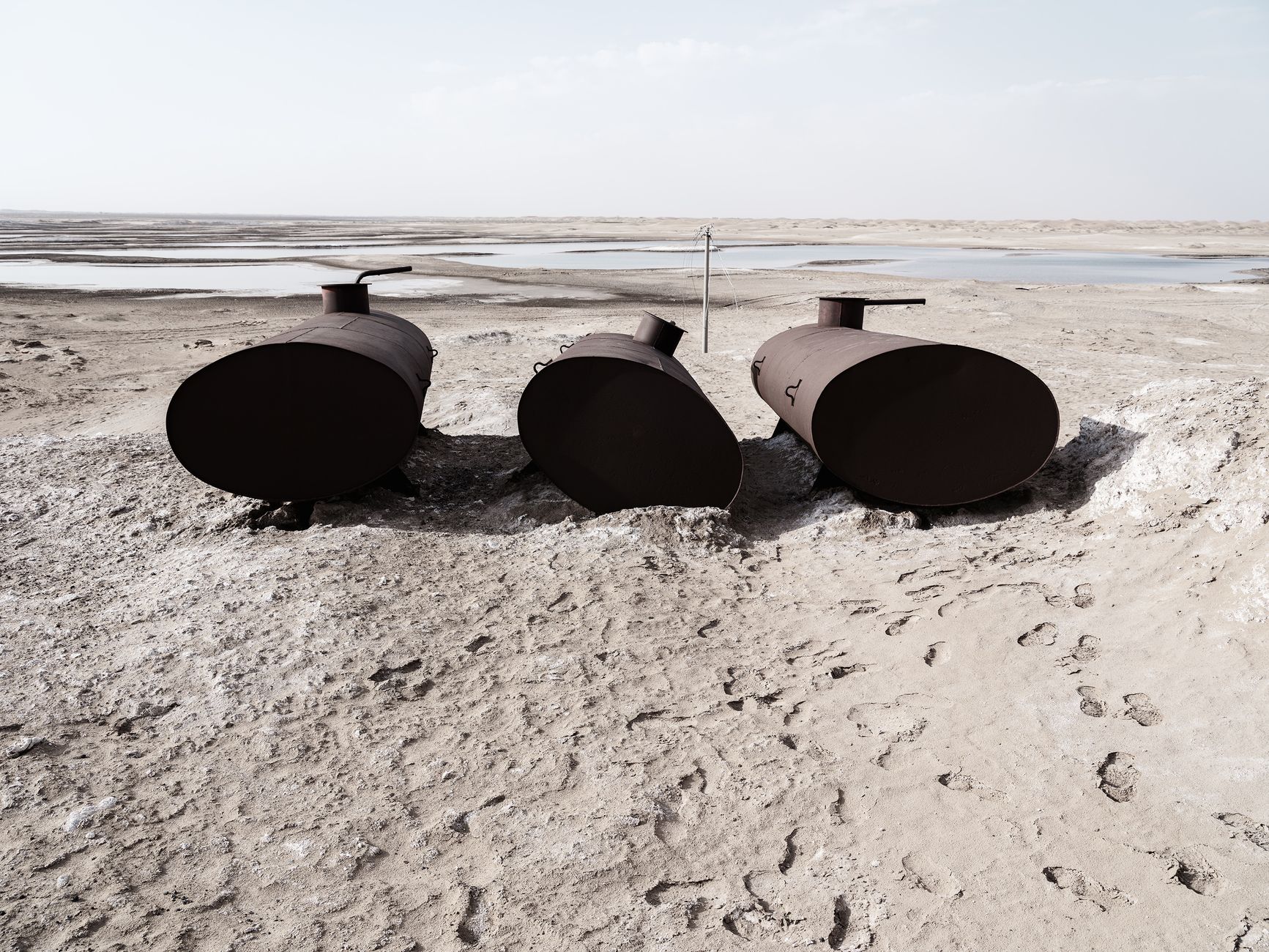
Iran oil loss has reached a staggering $25 billion, as reported by the US. This significant financial setback is compounded by frozen crypto assets and militia funding.
Understanding Iran’s Oil Loss
In recent reports, the Iranian economy has faced significant challenges, particularly highlighted by the Iran oil loss that has amounted to a staggering $25 billion. This financial setback is attributed to various factors, including sanctions, mismanagement, and the rising costs of military expenditures.
The United States has pointed to the diversion of funds as a critical issue, noting that substantial amounts of oil revenue are being redirected to support militia groups. These groups, aligned with the Iranian Revolutionary Guard Corps (IRGC), have reportedly been receiving funds that could otherwise bolster the nation’s economy.
To further complicate matters, approximately $350 million in cryptocurrency has been frozen, which adds another layer to Iran’s financial woes. Experts argue that without addressing the underlying issues causing the Iran oil loss, the country will continue to struggle economically. This situation raises important questions about the sustainability of funding for militia activities versus the needs of the Iranian populace.
- Sanctions and mismanagement as contributing factors
- Redirection of oil revenue to militia funding
- Impact of frozen cryptocurrency on economic recovery
The Role of Militias in Funding
The ongoing financial challenges faced by Iran are exacerbated by the critical role of militias in funding mechanisms that divert resources from the national economy. As Iran grapples with an estimated $25 billion oil loss, these militias operate as conduits for financial support, often redirecting funds to the Islamic Revolutionary Guard Corps (IRGC). This diversion not only undermines Iran’s economic stability but also intensifies the strain on its oil revenue.
Militias like Hezbollah and various Shia groups across the region have established networks that facilitate the transfer of funds, which are essential for their operations. The U.S. has highlighted that funds are often sent back to the IRGC, raising concerns about the prioritization of military expenditures over essential public services. The impact of this funding strategy is felt nationwide, as critical infrastructure and social services suffer due to lack of investment.
Moreover, the freezing of approximately $350 million in cryptocurrency further complicates Iran’s financial landscape. As these militias continue to receive backing, the potential for recovery from oil losses diminishes. The situation poses a significant challenge to Iran’s economic resilience, as the intertwining of militant funding and resource allocation continues to threaten stability.
Impact of Frozen Crypto Assets
The impact of frozen crypto assets on Iran’s economy has been significant, especially in light of the country’s oil loss. With an estimated $25 billion hit due to reduced oil exports, the situation is exacerbated by the freezing of approximately $350 million in cryptocurrency. This frozen capital represents a substantial portion of funds that could have been utilized to mitigate the effects of the oil crisis.
According to U.S. officials, the Iranian government relies heavily on these crypto assets to facilitate its operations, especially as traditional banking routes are restricted. The inability to access these resources limits Tehran’s capacity to fund various programs, including those supporting militias linked to the Islamic Revolutionary Guard Corps (IRGC).
In response to these challenges, the Iranian government has attempted to explore alternative funding avenues. However, the ongoing geopolitical tensions and stringent sanctions make it increasingly difficult for Iran to stabilize its economy. The dual pressures of the oil loss and the immobilization of crypto assets create a precarious situation, raising concerns about the government’s ability to support its financial commitments.
In summary, the intersection of Iran’s oil loss and the freezing of crypto assets presents a complex financial landscape that further complicates the nation’s economic recovery efforts.
US Perspective on Iran’s Economy
The United States has expressed deep concern over the significant Iran oil loss that has cost the country an estimated $25 billion. This financial hit is closely linked to the funding of various militia groups, which divert crucial resources away from the Iranian economy.
According to US officials, the ongoing economic challenges in Iran are exacerbated by the country’s reliance on these militias, whose activities are often funded through oil revenues. The US notes that this loss not only impacts Iran’s ability to stabilize its economy but also undermines regional security.
The US perspective highlights several key points regarding Iran’s current economic situation:
- Oil Revenue Dependency: Iran’s economy heavily relies on oil exports, making the current loss particularly detrimental.
- Militia Funding: A significant portion of Iran’s oil profits is redirected to support militia operations, notably those aligned with the Islamic Revolutionary Guard Corps (IRGC).
- International Isolation: Sanctions and global isolation have further diminished Iran’s ability to recover economically.
The implications of Iran’s financial struggles extend beyond its borders, raising concerns about the potential for increased instability in the region.
The recent Iran oil loss has significantly impacted the country’s economy, leading to a staggering $25 billion deficit. Analysts warn that this Iran oil loss could further hinder the government’s ability to fund various militia groups.
Photo by zeng jinwen on Pexels