 Samuel Adams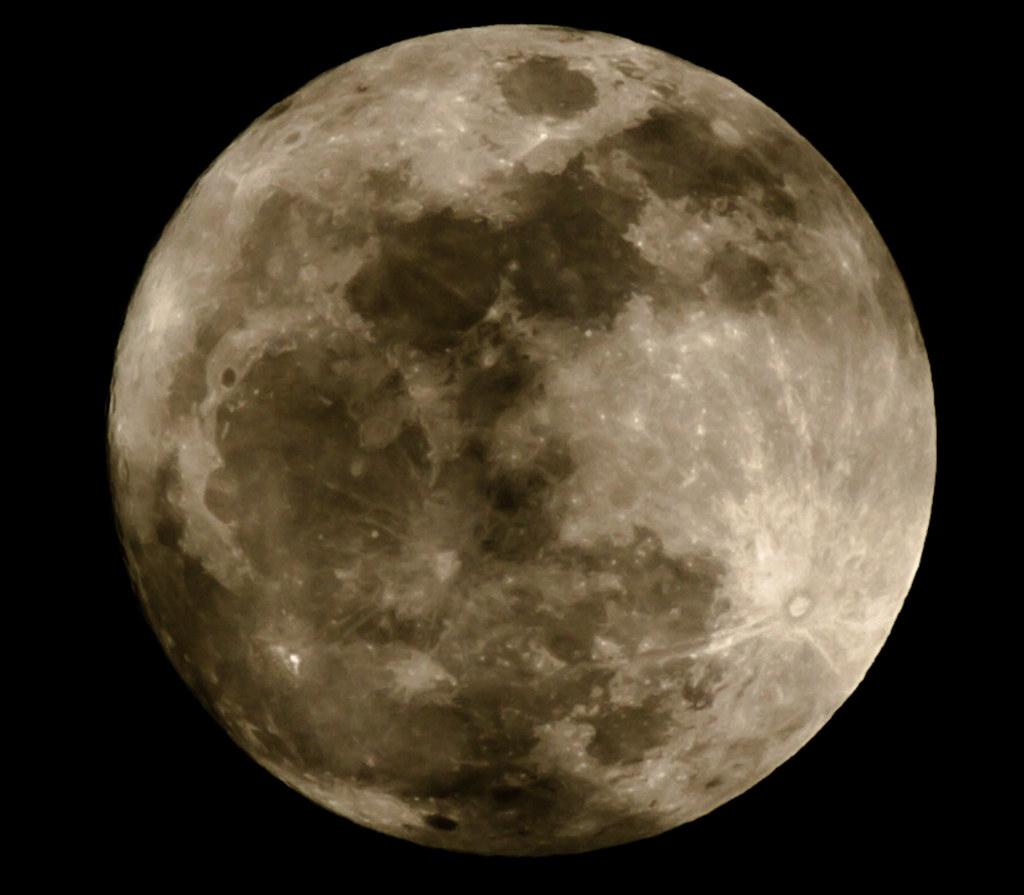
Moon phase today shows us what to expect on September 29, 2026, when the Moon will be in a captivating phase. Get ready for a celestial treat!
What is the moon phase today?
The moon phase today, September 29, 2026, reveals a stunning sight for skywatchers. Tonight, the moon will be in its Waxing Gibbous phase, which occurs just before the full moon. This phase is characterized by a large portion of the moon’s surface being illuminated, making it a perfect time for lunar observations.
During the Waxing Gibbous phase, the moon appears almost round but is not quite full. This phase allows observers to see the moon’s craters and maria with clarity, as the sunlight casts long shadows across its surface.
For those interested in celestial events, here are some key features of the moon phase today:
- Visibility: The moon will rise around 6:30 PM and set at approximately 6:00 AM the following day.
- Illumination: About 85% of the moon’s surface will be visible from Earth, providing a bright spectacle in the night sky.
- Best Viewing Time: The optimal time for viewing is between 8:00 PM and midnight.
As the moon continues its journey toward the full moon, enthusiasts and casual observers alike can look forward to a captivating evening under the stars.
How to observe the Moon on September 29, 2026
To fully appreciate the moon phase today, particularly on September 29, 2026, you will want to prepare for an evening of moon-gazing. The moon will be in the waxing gibbous phase, making it a perfect time to observe its features and beauty. Here are some tips to enhance your viewing experience:
- Find a Dark Location: Choose a spot away from city lights to minimize light pollution. Parks or open fields often provide an excellent vantage point.
- Check the Weather: Ensure the sky is clear on the evening of September 29, 2026. Cloud cover can obstruct your view of the moon.
- Use Binoculars or a Telescope: For a closer look at the lunar surface, binoculars or a telescope will help you see craters and maria in greater detail.
- Bring a Camera: Capture the moment with a camera. Adjust the settings for low light to get a clear shot of the moon.
- Join a Local Astronomy Group: Connecting with fellow enthusiasts can enhance your experience. Many groups host moon observation events that provide additional resources and knowledge.
By following these tips, you can make the most of observing the moon phase today and enjoy the stunning sight of the moon on September 29, 2026.
Significance of lunar phases
The significance of lunar phases extends far beyond their aesthetic appeal in the night sky. Each phase of the Moon plays a critical role in various aspects of life on Earth, influencing not only natural phenomena but also cultural and spiritual practices across the globe.
On September 29, 2026, the moon phase today will offer an exceptional view, allowing enthusiasts and casual observers alike to appreciate its beauty and importance. Understanding the lunar phases can help in various fields, including agriculture, fishing, and even mental health.
Here are some key points about the significance of lunar phases:
- Agricultural Cycles: Many farmers have relied on lunar phases to determine the best times for planting and harvesting crops, believing that the Moon’s gravitational pull affects soil moisture.
- Tidal Forces: The gravitational pull of the Moon is a primary driver of ocean tides, which affects marine life and coastal ecosystems.
- Cultural Traditions: Numerous cultures have celebrated festivals and rituals based on lunar phases, with many calendars still reflecting these cycles.
- Scientific Research: Scientists study lunar phases to understand their effects on Earth’s environment, including wildlife behavior and climate patterns.
As we look forward to the moon phase today, it’s a reminder of the profound connection between our planet and its celestial companion.
Best tools for moon observation
For astronomy enthusiasts and casual observers alike, having the right tools can significantly enhance the experience of watching the moon. On September 29, 2026, as you explore the moon phase today, consider these essential tools for optimal observation:
- Telescope: A quality telescope allows you to see the moon’s craters, maria, and other surface details in stunning clarity. Look for models with a larger aperture for the best results.
- Binoculars: If a telescope is not available, binoculars can be a great alternative. They are portable and can provide a closer view of the lunar surface.
- Star charts and apps: Utilize star charts or mobile apps that show the moon’s position and phase. These tools can help you identify specific features of the moon during your observation.
- Red flashlight: A red flashlight is essential for preserving your night vision while navigating in the dark. It will allow you to see without ruining your eyes’ adaptation to the low light conditions.
- Notebook: Keep a notebook to jot down your observations and thoughts. Documenting the details of what you see can enhance your overall experience and serve as a wonderful keepsake.
With these tools, you’ll be well-equipped to appreciate the moon phase today and make the most of your lunar observations.
Upcoming lunar events
As we look ahead to the captivating lunar events, enthusiasts and casual observers alike can mark their calendars for several significant dates in the coming months. In particular, the moon phase today, September 29, 2026, will offer a unique opportunity to witness the celestial beauty of our closest neighbor in space.
Here are some of the notable lunar events to watch for:
- Full Moon: On October 5, 2026, the full moon will illuminate the night sky, providing an excellent chance for stargazers to appreciate its brightness and detail.
- New Moon: Expect a new moon on October 20, 2026. This phase is ideal for spotting fainter celestial objects, as the absence of moonlight allows stars and planets to shine more brightly.
- First Quarter: On October 13, 2026, the first quarter moon will be visible, marking a great time for amateur astronomers to observe the craters and maria on the lunar surface.
- Last Quarter: The last quarter moon will occur on October 27, 2026, offering another chance to view the moon in its waning phase.
Each of these events provides a unique viewing experience, making them perfect opportunities to explore the wonders of our moon and appreciate the moon phase today and beyond.
Tips for photographing the Moon
Capturing the beauty of the Moon can be a rewarding experience, especially on days when the moon phase today is particularly striking. Here are some tips to help you photograph the Moon effectively.
- Use a tripod: A sturdy tripod helps to prevent camera shake and allows for long exposure times, which are often necessary for clear lunar shots.
- Choose the right lens: A telephoto lens is ideal for capturing detailed images of the Moon’s surface. Look for lenses with a focal length of at least 200mm.
- Adjust your settings: Use a low ISO setting to reduce noise in your images. A shutter speed of 1/125 to 1/250 seconds typically works well for lunar photography.
- Experiment with exposure: The Moon can be very bright, so you may need to underexpose your shots to avoid losing details in the highlights. Start with a slightly lower exposure and adjust as needed.
- Plan your timing: Shoot during the golden hour or when the Moon is near the horizon for dramatic lighting and atmospheric effects.
- Use image editing software: Post-processing can enhance your images significantly. Adjusting contrast and sharpness can bring out the details of craters and maria.
With these tips in mind, you’ll be ready to capture stunning images of the Moon, especially when the moon phase today is at its best.
By Imahinasyon Photography via Openverse